If you’ve ever worked with perforated metal—whether as a fabricator, a designer, or someone just sourcing materials for a project—you’ve probably stared at a sheet and thought, “Can I paint this?” I get this question literally every single week from customers. Most of them are gearing up for a exterior facade, a railing system, even a custom sign, and they want that perfect, tailored color instead of leaving the metal’s raw silver or dull gray exposed. The short answer? Yeah, you absolutely can paint perforated metal. But it’s not just slapping on a can of spray paint and calling it a day. Skip that, and you’ll end up with chipped, flaking paint that defeats the whole point of your project. As a perforated metal supplier who’s been in this game for over a decade, I’ve seen way too many botched paint jobs on our products, so let’s break this down like we do with every new customer who asks. Perforated Metal
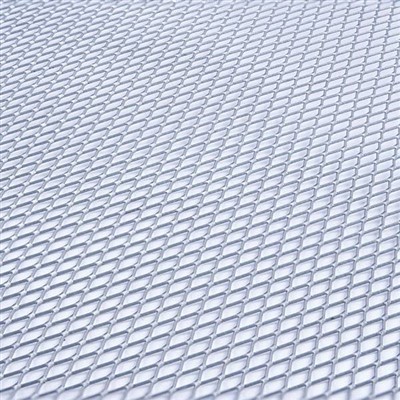
First off, let’s get one thing straight: perforated metal’s holes, slits, and raised edges make it tricky for paint to stick, full stop. Flat, solid sheet metal is easy—you sand it, prime it, paint it, and you’re done. But with perforated, you’ve got all these tiny crevices and uneven surfaces that trap dust, oils, and leftover manufacturing residue right where you don’t want them. Even worse, if the metal is steel, it’s prone to rust if you don’t prep it right, and aluminum will form a thin oxide layer over time that repels paint. That’s why prep work isn’t just a step—it’s the step. I tell every customer: if you cut corners on prep, your paint job will last a fraction of what it should, maybe even less than a year if your project’s outside.
Let’s start with the basics of what perforated metal can actually be painted with. Not all paint is created equal, and regular latex or interior acrylic is a hard pass, especially for outdoor use. Those will peel in a few months when humidity or temperature swings hit. The best options? Two-part epoxy paint, polyurethane enamel, or powder coating. Wait, powder coating counts too, right? Yeah, and it’s the most durable option we offer here at the shop. It’s electrostatically applied, melts onto the metal, and creates a thick, scratch-resistant finish that doesn’t fade near as fast as liquid paint. I’ve had a customer who used powder coated perforated aluminum for a restaurant patio 8 years ago, and it still looks like we finished it last month. Liquid paints work, too, but they need a good primer to stick, especially if you’re using them on steel.
Now, the prep process—this is where most people mess up, and I’ve seen it time and time again. First, you need to clean the metal. Manufacturing residues are a big one here: when we punch holes in metal, there’s often a thin layer of lubricant or mill scale left over, and if you don’t get that off, paint can’t bond. Skip the hose-down with plain water, too. Use a degreaser—something like a trisodium phosphate (TSP) solution, or a citrus-based degreaser if you don’t want to deal with harsh chemicals. Scrub the perforations with a stiff bristle brush, not a soft one. Those tiny holes and edges need a good scrub to get all the gunk out. Rinse it off completely, then let it dry for at least 24 hours. I can’t stress that drying part enough—moisture trapped in the holes will cause rust under the paint before you even know it.
Next step: sanding and etching, depending on the metal type. If it’s steel, you’ll want to sand the surface lightly with 220-grit sandpaper, but don’t go overboard—too much sanding can wear down the perforations or even scratch the metal too deep. For aluminum, you’ll need an etchant first. Aluminum’s oxide layer is like a repellent for paint, so an acid or chemical etchant will rough up that layer just enough to make the paint stick. Again, use a stiff brush to work the etchant into all the holes—don’t just wipe the flat surface and call it good. If you’re using powder coating, you can skip the etchant sometimes, but you still need to sand and clean to get rid of all residue. And a quick note: if you’re working with pre-punched metal that’s been sitting in a warehouse for a while, wipe it down with a denatured alcohol wipe first to get rid of any dust that’s accumulated—this extra step saves you so much headache later.
Wait, what about rust? If your perforated steel has even a little surface rust, you can’t skip treating that. Surface rust is powdery, and paint won’t stick to it. Use a wire brush or a sanding block to scrub all the rust off, right down to bare metal. Then wipe it with a rust converter—something that turns remaining rust into a stable base for paint. Don’t just paint over surface rust; that’s a one-way ticket to flaking paint. I’ve seen a customer do that on a railing for a shopping mall, and within six months, big chunks of paint were falling off, exposing rust all through the perforations. They had to replace the whole thing—big waste of time and money.
Now, when you’re actually applying the paint, how do you handle all those holes? Spray paint is tempting, right? Because it’s easy to get into the perforations. But hold up—don’t grab that cheap can of spray paint from the hardware store. Use a high-quality spray gun if you’re doing a big project, or if you’re using a can, go for a industrial-grade enamel spray paint, not the craft store stuff. The key here is to apply thin, even coats, not one thick coat. Thick paint will run, sag, and get clogged in the holes—if the perforations are for ventilation, that’s a total nightmare. We had a customer order perforated metal for a ventilation grille for a food truck, and they used thick spray paint that clogged the holes, so the grille didn’t work. They had to sand off all the paint and redo it—super avoidable. Apply the first coat, let it dry for 2-4 hours (check the paint can’s instructions, they vary), then apply a second, light coat. Two thin coats are way better than one thick one.
Powder coating, like I mentioned earlier, is our go-to for customers who want a long-lasting finish. It’s applied as a dry powder, then baked in an oven, so it flows evenly into every nook and cranny of the perforations. No sagging, no clogging, and it’s way more resistant to UV rays, salt, and scratches than liquid paint. We offer a bunch of colors in powder coating, too, so you can get that exact shade you’re looking for—matte, gloss, metallic, whatever. The only downside? It’s more expensive than liquid paint upfront, but it saves you money in the long run because you won’t have to repaint every few years. For outdoor projects like facades or railings, that’s a no-brainer.
Wait, are there any cases where painting perforated metal isn’t a good idea? Let’s be honest—sometimes leaving it natural is better. If you’re using perforated metal for something where you want the holes to stay open, like a screen or a vent, a raw, unfinished aluminum or steel can hold up if it’s properly maintained. But if you’re using it for a decorative piece, or if you want to match other materials in your project, painting is the way to go. Also, if you’re using perforated metal for a signage project, paint lets you add custom colors, logos, or text—you can even mask off parts of the perforations to create designs, which is a cool trick a lot of our customers do.
Now, let’s talk about common mistakes I see all the time. First, not cleaning the metal enough—like I said earlier, that mill scale or lubricant left behind will make paint peel. Second, applying too thick a coat—clogged holes, runs, uneven finish. Third, using the wrong paint for the location—interior paint on an outdoor project will die fast. Fourth, skipping the primer. Wait, primer is non-negotiable, right? If you’re using liquid paint, especially on steel, use a rust-inhibiting primer first. For aluminum, use an aluminum-specific primer. Primer creates a bond between the metal and the paint, so it’s way less likely to chip. I always tell customers: primer is the unsung hero of a good paint job.
So, to circle back to the original question: Can perforated metal be painted? Absolutely. It just requires a little more prep work than solid metal, and the right materials. Skip the cheap shortcuts, and you’ll end up with a finish that looks great and lasts for years. Whether you’re a contractor looking for materials for a new build, a designer working on a custom project, or a DIYer tackling a home upgrade, we’ve got you covered. We supply all types of perforated metal—steel, aluminum, stainless steel—ready for painting, or we can even help you with powder coating services if that’s what you need. If you’re not sure what metal type works best for your project, or you want tips on prep and paint application, just reach out. We’re here to help you get the perfect finish for your perforated metal, no guesswork required.
Don’t let bad paint jobs ruin your project. Whether you’re installing a facade, building a railing, or creating a custom sign, we can hook you up with high-quality perforated metal and the guidance you need to make painting it a breeze. Get in touch today to discuss your project, and we’ll work with you to find the perfect solution that fits your budget and needs.
Expanded Metal Grating References:
- Perforated Metal Manufacturers Association. (2021). Best Practices for Finishing Perforated Metal.
- National Association of Surface Finishers. (2022). Paint Adhesion on Metal Substrates.
- Powder Coating Institute. (2020). Application Guidelines for Perforated Metal Components.
- Metal Building and Construction Association. (2019). Surface Preparation for Metal Finishing.
Anping Yilida Metal Wire Mesh Co., Ltd.
Anping Yilida Metal Wire Mesh Co., Ltd. is one of the most reliable perforated metal manufacturers and suppliers in China, also supports customized service. Please feel free to buy bulk high quality perforated metal made in China here from our factory.
Address: Wire Mesh Development Zone, Anping, Hebei Province, China
E-mail: sales@wiremesh-yg.cn
WebSite: https://www.yilidametal.com/
