If you’ve ever worked with electrical control panels, industrial machines, or even residential wiring projects, you’ve probably used a terminal block—those small, plastic devices that let you connect and secure multiple electrical wires without messy splices. As a terminal block supplier, I get dozens of questions every month from design engineers, production line supervisors, and maintenance teams: “How do I make sure the terminal blocks I’m using are actually reliable?” or “What tests should I run before I accept a shipment, or even before integrating them into a new project?” Terminal Block
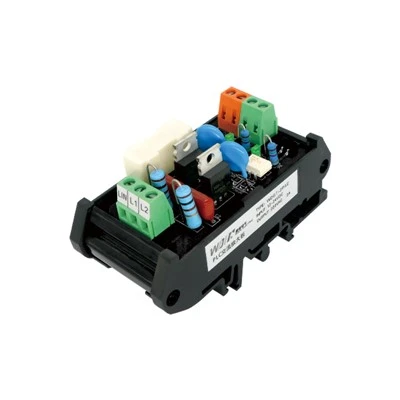
The truth is, a terminal block that passes basic visual checks might still fail mid-operation, leading to downtime, safety hazards, or costly repairs. Early in my career, I learned this the hard way. Back when I was working with a small electrical contractor, we installed a set of terminal blocks for a food processing plant’s conveyor system. We did a quick visual inspection—no cracks, screws were tight—and called it a day. Three weeks later, a loose terminal connection caused a short circuit, shutting down the plant’s main line for 12 hours and costing them thousands in lost production. That mistake is why our team at the terminal block supplier I work with now prioritizes rigorous, hands-on testing for every product we ship, and why we recommend every customer do the same.
Testing terminal blocks isn’t just about checking if they look good. It’s a mix of functional, electrical, mechanical, and environmental tests that verify they can perform their core job: safely connecting wires over their entire intended lifespan. Below, I break down the key tests we rely on, and how you can implement them to make sure your terminal blocks are up to standard.
First, start with the visual and dimensional inspection. It sounds basic, but this is your first line of defense, and it’s something any team can do without specialized equipment. When a terminal block leaves our warehouse, every unit is checked for cracks in the housing—even a tiny crack, which might not seem like a big deal, can let dust, moisture, or conductive material seep in and cause shorts. We also check the contact area: the metal inside the terminal must be smooth, free of burrs, and properly plated (usually tin, copper, or brass, depending on the application). Burrs can fray wires over time, creating loose connections. Dimensional checks matter too: if the terminal is too small for the wire gauge it’s rated for, you won’t get a secure grip. We use calipers to verify that the screw hole depth, contact surface size, and wire entry slot match the published specs for the part. For example, a 10mm² terminal block isn’t just labeled as such—it needs a contact surface sized to hold that thick wire without slipping.
Next, mechanical testing to confirm the terminal can hold wires securely, even with vibration or movement. This is where a lot of cheap terminal blocks fail, especially in industrial or automotive applications where equipment vibrates constantly. We run two main mechanical tests: wire pull test and screw torque test. For the wire pull test, we clamp a wire of the correct gauge into the terminal, tighten the screw to the manufacturer’s specified torque (we print this right on the product label for easy reference), then pull the wire with a force equivalent to 1.5 times the terminal’s maximum rated current. If the wire pulls out or breaks at the connection point instead of at its insulation, the terminal is too loose. We do this test 10 times per batch to account for any manufacturing variation. The screw torque test is just as important: we use a calibrated torque wrench to apply torque to the terminal screw, checking when it reaches the minimum and maximum torque specified for the part. If the screw strips out at too low a torque, it won’t hold the wire tight. If it can’t reach the minimum torque without damage, the housing is too weak and will crack over time. We also test for vibration resistance: we mount terminal blocks to a shaker table set to the vibration frequency common in the customer’s application (for automotive, it’s higher frequency; for heavy machinery, lower frequency) and run it for 72 hours. After the test, we check for any wire movement or loose screws—if there’s any, the terminal block isn’t suitable for that environment.
Then come electrical tests, which verify that the terminal can handle the voltage, current, and resistance it’s rated for without overheating or failing. The two core electrical tests are insulation resistance test and voltage drop test. For insulation resistance, we place a high-voltage meter between the terminal’s contact point and the housing, applying a test voltage equal to twice the terminal’s rated voltage plus 1000 volts. The insulation resistance should be at least 100 megaohms. If it’s lower, there’s a defect in the plastic housing or a gap that could allow electricity to arc across the terminal to other components. This is critical for safety: a low insulation resistance can cause a ground fault, leading to electric shock or fire. The voltage drop test checks how much electricity is lost as it passes through the terminal. We set up a circuit with a known current (equal to the terminal’s maximum rated current) running through the terminal, then measure the voltage before and after the contact. The voltage drop should be less than 0.5 volts. A higher voltage drop means the terminal has a poor connection, which will generate heat over time. Even a small voltage drop can add up in high-current applications—for example, a 100A terminal with a 1V drop would generate 100 watts of heat, which could damage adjacent components or melt the housing. We also test for short-circuit withstand: we apply a temporary current that’s 10 times the terminal’s rated current for 1 second, then check for damage, overheating, or loosening. This simulates a temporary fault, like a wire touching another conductor, and makes sure the terminal doesn’t fail catastrophically.
Environmental testing is the final piece, because terminal blocks don’t just sit in a controlled lab—they’re exposed to temperature extremes, moisture, dust, and chemicals in real-world use. We test for temperature range first: most terminal blocks are rated for -40°C to 125°C, so we put them in a temperature chamber, cycling between those extremes 10 times, with a 2-hour hold at each end. After the test, we check for cracks, discoloration, or changes in torque resistance. If the plastic becomes brittle at low temperatures, it can crack when you tighten a screw. If it softens at high temperatures, it can warp and create gaps. Moisture resistance is next: we submerge terminal blocks in water for 24 hours at 1 meter of pressure (simulating immersion in a flooded space), then test insulation resistance. For outdoor applications, we also do a salt spray test: we spray a salt solution (5% concentration, like seawater) on the terminals for 1000 hours, then check for corrosion on the metal contacts. Corroded contacts will have higher resistance and can break over time. Dust testing is common for construction and mining equipment: we blow fine dust (like silica) at the terminal blocks at high pressure for 72 hours, then test for dust inside the housing. If dust gets in, it can cause shorts between terminals. We also test chemical resistance: we expose the housing to common oils, cleaners, and solvents used in the customer’s industry, making sure the plastic doesn’t crack, soften, or discolor. A lot of industrial facilities use harsh cleaning chemicals, so a terminal block that can’t handle those will degrade quickly.
Now, you might be wondering: do you need to run all these tests for every batch? For us, as a terminal block supplier, we run 100% of these tests for every new product design, and sample every batch of production units for full testing. For our customers, we recommend at least sampling key tests for each shipment, especially if you’re working with high-current or high-voltage applications. But even if you’re working on a small residential project, a quick torque test and insulation check can prevent those costly mistakes I saw at the food processing plant.
Another thing to keep in mind: testing doesn’t stop when the terminal block is installed. Periodic inspections are important, too. If you’re working in an industrial environment with vibration, check the screw torque every 6 months to make sure wires haven’t loosened. If you’re in a dusty area, clean the terminal blocks annually to prevent dust buildup. These steps will extend the lifespan of your connections and prevent unexpected downtime.
If you’re in the market for reliable terminal blocks, whether for a new project or a replacement for existing parts, you don’t have to go it alone. Our team has over 15 years of experience designing and manufacturing terminal blocks for every industry, from automotive to food processing to renewable energy. We can help you select the right part for your application, share our internal test protocols, and work with you to customize solutions if your project has unique requirements. Whether you need a small low-voltage terminal block for a control panel or a heavy-duty unit for high-current industrial machinery, we have the expertise to make sure you get a product that’s tested to perform.

If you’re ready to discuss your terminal block needs, reach out to our sales team to start a conversation about your project requirements, testing protocols, and pricing options. We’re here to help you make the right choice for your electrical connections.
Solid State Relay Module References
- International Electrotechnical Commission (IEC) 60947-7-1, Low-voltage switchgear and controlgear – Part 7-1: Auxiliary devices – Clamps for copper conductors, for copper conductors with copper terminals for rated voltages up to 1000 V a.c. and 1500 V d.c.
- Underwriters Laboratories (UL) 1059, Standard for Safety for Terminal Blocks and Terminal Blocks Assemblies
- National Electrical Manufacturers Association (NEMA) ICS 2, Electrical Connection Devices: Terminal Blocks and Related Components
- Deutsches Institut für Normung (DIN) EN 60352-2, Soldering – Part 2: Solderless connections for electrical and electronic equipment – Particular requirements for screw connections and screwless connections.
Zhejiang Weide Electric Co., Ltd.
Zhejiang Weide Electric Co., Ltd. is one of the most professional terminal block manufacturers and suppliers in China, featured by quality products and low price. If you’re going to buy the newest terminal block, welcome to get free sample from our factory. We also accept customized orders.
Address: No. 555, South Binhe 2nd Road, Yueqing City, Zhejiang Province, China
E-mail: zjwdir@wdirele.com
WebSite: https://www.chweide.com/
