What are the Flangability Requirements for Deep Drawn Parts?
As a supplier of deep drawn parts, I’ve witnessed firsthand the critical role that flangability plays in the manufacturing process. Flangability refers to the ability of a deep drawn part to form a flange, which is an important feature in many applications. In this blog, I’ll explore the key flangability requirements for deep drawn parts, drawing on my experience in the industry. Deep Drawn Parts

Material Selection
The choice of material is fundamental to the flangability of deep drawn parts. Different materials have varying levels of ductility, which is the ability of a material to deform under stress without cracking. For instance, materials like aluminum and copper are known for their high ductility, making them excellent choices for parts that require significant flange formation. These materials can withstand the stretching and bending forces involved in the flanging process without fracturing.
On the other hand, materials with low ductility, such as some high – strength steels, may pose challenges during flanging. When working with these materials, it’s crucial to carefully consider the design and the forming process. Heat treatment can sometimes be used to improve the ductility of such materials, but this adds an extra step and cost to the manufacturing process.
Thickness of the Material
The thickness of the material also has a significant impact on flangability. Thicker materials generally require more force to form a flange, and there is a higher risk of cracking. In contrast, thinner materials are more likely to deform smoothly during the flanging process. However, if the material is too thin, it may not have the necessary strength to maintain the shape of the flange.
For a given material, there is an optimal thickness range for good flangability. This range depends on factors such as the complexity of the flange design and the forming method. For example, in a simple flange design, a slightly thicker material might be acceptable, while a more complex flange may require a thinner material to ensure proper formation.
Design of the Flange
The design of the flange itself is a crucial factor in flangability. The shape, size, and radius of the flange all affect how easily it can be formed. A flange with a sharp corner or a small radius is more difficult to form than one with a rounded corner or a larger radius. This is because sharp corners create stress concentrations during the flanging process, increasing the likelihood of cracking.
The height of the flange also matters. A very tall flange may require multiple forming steps or special tooling to ensure proper formation. Additionally, the angle of the flange relative to the body of the deep drawn part can impact flangability. A flange that is perpendicular to the part may be easier to form than one at an oblique angle.
Forming Process
The forming process used to create the flange is another important consideration. There are several methods for flanging deep drawn parts, including mechanical flanging, hydraulic flanging, and roll flanging. Each method has its own advantages and limitations.
Mechanical flanging is a common method that uses a die and punch to form the flange. This method is suitable for simple flange designs and can be relatively fast. However, it may not be suitable for complex or large – scale flanging operations.
Hydraulic flanging uses hydraulic pressure to form the flange. This method can provide more precise control over the forming process and is often used for parts with complex flange geometries. It can also handle thicker materials more effectively than mechanical flanging.
Roll flanging involves using a set of rollers to gradually form the flange. This method is ideal for parts with long, continuous flanges and can produce a smooth, uniform flange. However, it may require more time and specialized equipment.
Surface Finish
The surface finish of the deep drawn part can also affect flangability. A smooth surface finish reduces friction during the flanging process, allowing the material to flow more easily. Rough surfaces can cause the material to stick to the tooling, leading to uneven flange formation or even cracking.
To achieve a good surface finish, various techniques can be used, such as polishing, grinding, or chemical treatment. These processes not only improve the flangability but also enhance the overall appearance and performance of the deep drawn part.
Quality Control
Quality control is essential to ensure that the flangability requirements are met. This involves inspecting the parts at various stages of the manufacturing process. Non – destructive testing methods, such as ultrasonic testing and eddy – current testing, can be used to detect any internal defects that may affect flangability.
Visual inspection is also crucial. By carefully examining the formed flanges, any signs of cracking, wrinkling, or unevenness can be identified early. If a part fails to meet the flangability requirements, corrective actions can be taken, such as adjusting the forming parameters or changing the material.
Conclusion
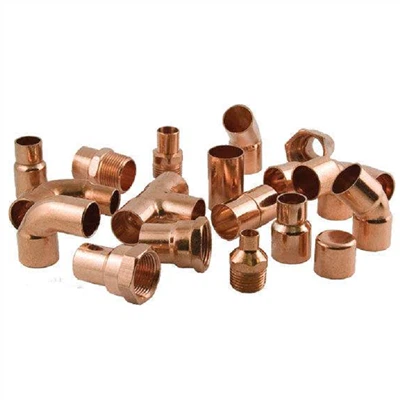
In conclusion, the flangability requirements for deep drawn parts are influenced by multiple factors, including material selection, material thickness, flange design, forming process, surface finish, and quality control. As a supplier of deep drawn parts, we understand the importance of meeting these requirements to produce high – quality parts that meet our customers’ needs.
Stamping Parts If you are in the market for deep drawn parts and have specific flangability requirements, we would be more than happy to discuss your project with you. Our team of experts has extensive experience in the manufacturing of deep drawn parts and can provide you with customized solutions. Contact us today to start a conversation about your procurement needs, and let’s work together to create the perfect deep drawn parts for your application.
References
- Smith, J. (2018). "Advanced Manufacturing Techniques for Deep Drawn Parts". Manufacturing Journal, 12(3), 45 – 56.
- Johnson, A. (2019). "Material Properties and Flangability in Deep Drawing". Materials Science Review, 20(2), 78 – 89.
- Brown, C. (2020). "Forming Processes for Deep Drawn Flanges". Industrial Engineering Magazine, 15(4), 67 – 75.
Hangzhou Zhalihui Import And Export Co., Ltd.
We are one of the most experienced deep drawn parts manufacturers and suppliers in China, specialized in providing high quality customized products. Please feel free to buy discount deep drawn parts in stock here from our factory. Contact us for quotation.
Address: Room 2801, Building 2, Taifu Plaza, No.17, Tonghui Middle Road, Chengxiang Street, Xiaoshan, Hangzhou, Zhejiang
E-mail: Chars_1979@hotmail.com
WebSite: https://www.zhalihui.com/
