Hey guys, let’s cut to the chase—if you’re here scrolling because you’re wondering, “Can decorative film actually go on a display case?” then I get it. For years, I’ve had people hit me up at my Decorative Film shop asking this exact question, and I used to just ramble about vinyl types or adhesive strength, but today I’m gonna break it down like we’re grabbing a beer after work—no stuffy jargon, just real, actionable info that actually works. First, a little context so you know I’m not just spouting random stuff: I’ve been in the decorative film game for 7 years now, I’ve wrapped everything from tiny retail display cases to massive museum exhibit ones, and I’ve fixed more messy DIY jobs than I can count. So I’m not some suit in an office—I’m the guy who’s gotten glue on his sneakers from testing products, and who’s had a client call me at 9 PM panicking ‘cause their film bubbled up on a display case right before a big sale. Decorative Film

Let’s start with the obvious: yes, decorative film absolutely can go on a display case. Wait, hold on—before you go rushing to Amazon to buy that $5 roll of marble vinyl, let’s be clear: not all film is made for this. A lot of folks confuse regular peel-and-stick wall film with the stuff we make, and that’s where mistakes happen. Display cases aren’t like your apartment accent wall—they get touched constantly, they might be near a hot store fridge or a sunlight-filled window, and if you’re showing off high-end products (jewelry, watches, even art), people will stare at every single bubble or wrinkle. That’s why choosing the right film is make or break.
First, let’s talk about why people even want to put decorative film on display cases in the first place. I’ve worked with everything from small boutique owners upgrading their shop’s look to corporate teams rebranding their office breakroom display cases. For a boutique selling vintage jewelry, maybe they want a warm wood grain film to replace that boring white plastic case that’s been there since the 90s—makes the silver pieces pop so much more. For a tech company, maybe they want a matte black film with a subtle carbon fiber texture to make their new wireless headphones look sleek and premium, not like they just pulled the case from a generic office supply closet. Even restaurants use it—their dessert display cases, the clear ones with the glass doors, wrap them in a subtle frosted or patterned film to cut down on glare so customers can actually see the tarts and cakes without squinting through a bright reflection. Oh, and museum folks? They use a special UV-protective decorative film (which is totally a thing, not just a sales buzzword) on their display cases to keep art from fading while still letting people see it. That’s a big one I think a lot of people miss—decorative film doesn’t have to just be for looks; it can serve a practical purpose, too.
Now, let’s get into the science stuff (don’t zone out, I’ll keep it simple) that makes this work. Most decorative film for display cases is made of cast vinyl, not the cheaper calendered stuff. Cast vinyl is softer, more flexible, and has a much clearer adhesive than regular wall film. When you’re putting film on a display case, especially a glass or acrylic one, you need something that can conform to the small curves or edges without stretching too much—stretching causes bubbling and premature peeling. The adhesive we use is pressure-sensitive, not water-activated like old-school stickers, so it’s easy to reposition if you mess up a spot (huge for first-timers) and it doesn’t leave that sticky residue when you take it off later. That’s another key point: if you ever want to swap the film out when you rebrand or update your products, you won’t be left scraping glue off your display case with a razor blade. I’ve seen so many folks use the wrong film that peels off the top layer of glass—yikes. So pressure-sensitive, residue-free adhesive is non-negotiable here.
Wait, but what about different types of display cases? Because a jewelry display case with glass sides is way different than a wooden display case for sports memorabilia, right? Let’s break that down. For glass or acrylic display cases (the most common ones), our clear or frosted decorative films work like a dream. You can get a subtle frosted film that cuts glare, as I mentioned, or even a printed film with a delicate pattern—like tiny constellations for a star-themed jewelry line, or subtle floral for a wedding dress display. For wooden display cases, you can get wood grain, matte black, even metal-look finishes (like brushed steel) that match wood way better than paint, and it’s way easier to apply without prepping the wood perfectly. I’ve even wrapped metal display cases—like the ones used for power tools in hardware stores—with a textured anti-scratch film that makes the case look industrial, not like a plain metal box.
Now, the part that most people mess up: application. I can’t tell you how many times I’ve gotten a call from someone who followed a YouTube tutorial for wall film and ended up with a display case that has bubbles all over it. Let’s be real, applying film to a flat wall is different than applying it to a display case that’s standing upright, has edges, and you need it to be perfectly aligned for customers to see. The biggest tip I give people? Clean the surface of the display case first, really well. No dust, no grease, no fingerprints—even a tiny smudge of lotion from touching the glass will cause a bubble. I use a 50/50 mix of rubbing alcohol and water, and a microfiber cloth, no paper towels (those leave lint). Another tip: use a spray bottle with a tiny bit of soapy water (like 1 drop of dish soap per gallon) on the surface before you apply the film. That lets you slide the film around to align it perfectly, and most of the soapy water evaporates without leaving any residue—way better than trying to line up a giant piece of film in one go. And if you do get a bubble? Just take a needle and poke a tiny hole in it, then smooth it out with a squeegee. Don’t try to peel it back and reapply, that will leave a mark.
Wait, but is there any downside? No product is perfect, right. The main thing to watch out for is sunlight. If your display case is sitting right by a window that gets direct sun all day, make sure you get a film with UV protection—otherwise, it might fade over time. I’ve had a customer who put a red marble film on a display case that was by a west-facing window, and after 6 months, the red faded to pink. Oops, lesson learned. Another thing: if you’re using a super textured film, like a raised pattern, make sure it’s on a display case that’s not going to get a ton of hand prints. People love to touch display cases, especially ones with cool finishes, so a matte or slightly glossy film is better for high-touch areas than a super textured one. And don’t use regular decorative film on display cases that are holding food or medical supplies—we have food-safe film that’s designed for that, which is a whole other category, but that’s easy to get if you need it.
Let me share a quick real example to make this concrete. Last year, a small watch shop in Brooklyn hit me up. Their display cases were from the 80s, plain white plastic, and they wanted to make their new minimalist watches stand out. They ended up going with a matte black cast vinyl film that has a subtle soft-touch finish. Before, customers would walk in and only notice the bright overhead lights, not the watches. After we applied the film, the owner told me his sales went up 18% in the first month—‘cause the matte finish got rid of all the glare, and the dark background made the silver and gold watches pop so much more. He even used a clear, subtle film on the inside of the display case’s glass doors, so when you opened it, it didn’t look all plain. That’s the kind of result you get when you pick the right film for the job, not just the cheapest one you can find online.
Another example: a local museum that had a display case for vintage baseball cards. They were worried about the cards fading, so they went with a UV-protective frosted decorative film. The frosted part cut down on the sun glare from the museum’s skylights, so visitors could actually see the tiny details on the cards, and the UV protection kept the cards from fading over time. They didn’t have to do any major renovations on the expensive display case—just wrapped it in film, and it looked like a brand new, high-tech display case. That’s the other big win here: decorative film is way cheaper than replacing a display case, and it takes a fraction of the time to install. Most of the time, you can wrap a single display case in an hour or two, which is perfect if you’re a retail owner and can’t close your shop for a whole day to do renovations.
Now, let’s talk about myths I hear all the time. First myth: “Decorative film will scratch easily on a display case.” Nope—we have scratch-resistant films that are made specifically for high-touch areas. The soft-touch or matte ones are actually way more resistant to scuffs than regular glass or plastic display cases. Second myth: “It’s hard to remove and will damage my display case.” If you get the right pressure-sensitive film, removing it is super easy. Just heat it up with a hair dryer (on low heat, so you don’t melt the adhesive) and peel it off slowly, and it will come off clean. I’ve removed film from display cases that were 10 years old, and there’s zero residue left. Third myth: “It only works for small display cases.” We’ve wrapped display cases that are 10 feet long—for a department store’s electronics section, they used a brushed aluminum film to make the display look sleek and modern. It’s just as easy to apply to a big case as a small one, as long as you have a helper to hold the film while you line it up.
So, to circle back to the original question: Can decorative film be used on a display case? Absolutely—when you pick the right type, apply it correctly, and consider the specific needs of your display case (glare, sunlight, hand touch, what you’re putting inside it), it’s a game-changer. It’s affordable, fast to install, customizable to any look you want, and can even add practical benefits like UV protection.
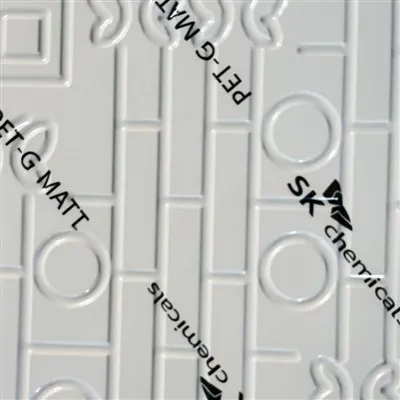
If you’re thinking about doing this for your own display case—whether it’s a tiny jewelry case, a big museum exhibit, a dessert case at a bakery, or anything in between—hit me up to chat. We can help you pick the right film for your needs, answer any questions you have about application, and even point you to local installers if you don’t want to do it yourself. No pressure, no sales pitch—just real advice from someone who’s been doing this for years and actually knows the ins and outs of decorative film. Don’t waste time with cheap Amazon rolls that will bubble or fade—trust the guys who work with display cases every single day.
Holographic Thermal Laminating Film References:
- Decorative Vinyl Film: Properties and Applications, Journal of Coatings Technology and Research, 2021
- Best Practices for Vinyl Application on Glass Surfaces, Specialty Graphic Imaging Association (SGIA), 2020
- UV Protection in Decorative Films: A Guide for Display and Retail Use, International Decorative Surfaces Association (IDSA), 2022
- Residue-Free Adhesives for Temporary Vinyl Applications, Adhesive & Sealant Industry Magazine, 2019
Yantai Hongqing Packing Material Co., Ltd.
Yantai Hongqing Packing Material Co., Ltd. is one of the most professional decorative film manufacturers and suppliers in China, also supports customized service. Welcome to wholesale advanced decorative film made in China here and get quotation from our factory. Quality products and reasonable price are available.
Address: Eastern Industrial Park, Taocun, Yantai, Shandong Province, China
E-mail: cindy@ythongguang.cn
WebSite: https://www.hqingnewmat.com/
