Can a stamping robot be used in the aerospace industry? Stamping Robot
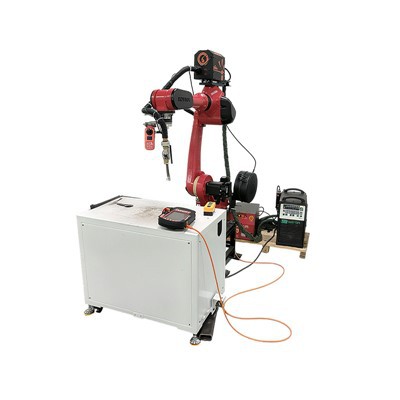
As a supplier of stamping robots, I’ve often been asked about the applicability of our products in the aerospace industry. The aerospace sector is known for its high – precision, high – quality, and safety – critical requirements. So, the question of whether a stamping robot can find a place in this demanding field is both valid and crucial.
The Unique Demands of the Aerospace Industry
The aerospace industry has some very distinct characteristics. First and foremost, safety is paramount. Every component used in an aircraft or spacecraft must meet the strictest safety standards. This means that the manufacturing process of these components needs to be highly reliable and repeatable. Precision is another key factor. Aerospace parts often have extremely tight tolerances, sometimes in the range of micrometers. Even the slightest deviation can lead to significant performance issues or, in the worst – case scenario, safety hazards.
In addition, the materials used in aerospace are often exotic and difficult to work with. Titanium, for example, is a popular choice due to its high strength – to – weight ratio, but it is also very hard and requires specialized machining techniques. Composite materials, which are increasingly being used in modern aerospace designs, also present unique challenges in terms of forming and shaping.
How Stamping Robots Can Meet These Demands
Precision and Repeatability
One of the greatest advantages of stamping robots is their ability to achieve high levels of precision and repeatability. These robots are programmed to perform the same stamping operation with a high degree of accuracy every time. They can control the force, speed, and position of the stamping process with great precision, ensuring that each part produced meets the exact specifications. This is crucial in the aerospace industry, where consistency is key. For example, when stamping turbine blades or structural components, the ability to produce identical parts is essential for proper assembly and optimal performance.
Adaptability to Different Materials
Stamping robots can be equipped with a variety of tools and dies to handle different materials. For titanium, special dies can be designed to withstand the high forces required for stamping. These dies can be made from high – strength alloys and coated with materials that reduce friction and wear. When it comes to composite materials, stamping robots can be programmed to apply the right amount of pressure and heat to form the parts without damaging the delicate fibers. This adaptability makes stamping robots a versatile solution for the diverse range of materials used in the aerospace industry.
Automation and Efficiency
The aerospace industry is constantly looking for ways to increase efficiency and reduce costs. Stamping robots offer a significant advantage in this regard. They can work continuously without breaks, reducing the production time for aerospace components. Automation also reduces the risk of human error, which is especially important in a safety – critical industry like aerospace. By automating the stamping process, manufacturers can increase their production capacity and improve the overall quality of their products.
Real – World Applications of Stamping Robots in Aerospace
Structural Components
Stamping robots are used to produce a wide range of structural components in the aerospace industry. For example, wing ribs, which are essential for the structural integrity of an aircraft wing, can be stamped using robots. These ribs need to be precisely shaped and have consistent dimensions to ensure proper fit and performance. Stamping robots can produce these parts quickly and accurately, meeting the high – quality standards required by the aerospace industry.
Engine Components
In the engine of an aircraft or spacecraft, there are many components that can be manufactured using stamping robots. Turbine blades, for example, are critical for the performance of the engine. Stamping robots can be used to form the basic shape of the blades, which can then be further machined and finished. The high precision of stamping robots ensures that the blades have the correct aerodynamic profile, which is essential for efficient engine operation.
Challenges and Considerations
While stamping robots offer many benefits for the aerospace industry, there are also some challenges that need to be addressed. One of the main challenges is the initial investment. Stamping robots can be quite expensive, especially when they are customized to meet the specific requirements of the aerospace industry. However, the long – term savings in terms of increased efficiency and reduced waste can offset this initial cost.
Another challenge is the need for specialized programming and maintenance. Aerospace stamping operations often require complex programming to ensure that the robots can perform the required tasks with the necessary precision. In addition, regular maintenance is essential to keep the robots in optimal working condition. This requires a team of skilled technicians who are familiar with the operation and maintenance of stamping robots.
The Future of Stamping Robots in the Aerospace Industry
The future looks bright for stamping robots in the aerospace industry. As technology continues to advance, stamping robots are becoming more intelligent and capable. They can be integrated with other manufacturing processes, such as CNC machining and 3D printing, to create a more comprehensive manufacturing solution. In addition, the development of new materials and manufacturing techniques in the aerospace industry will likely create new opportunities for stamping robots.
For example, the use of additive manufacturing in aerospace is on the rise. Stamping robots can be used in conjunction with 3D printing to produce hybrid components that combine the advantages of both technologies. This can lead to lighter, stronger, and more efficient aerospace parts.
Conclusion
In conclusion, stamping robots can definitely be used in the aerospace industry. Their precision, adaptability, and efficiency make them a valuable asset for aerospace manufacturers. While there are some challenges to overcome, the benefits far outweigh the drawbacks. As a stamping robot supplier, I am confident that our products can meet the unique requirements of the aerospace industry and help manufacturers produce high – quality components.
If you are in the aerospace industry and are interested in learning more about how our stamping robots can benefit your manufacturing process, I encourage you to reach out to us. We are more than happy to discuss your specific needs and provide you with a customized solution. Let’s work together to take your aerospace manufacturing to the next level.
Loading and Unloading Robot References
- Smith, J. (2018). Advanced Manufacturing Technologies in the Aerospace Industry. Journal of Aerospace Engineering, 21(3), 234 – 245.
- Johnson, A. (2019). Precision Stamping for Aerospace Applications. Manufacturing Technology Review, 15(2), 45 – 56.
- Brown, C. (2020). The Future of Automation in Aerospace Manufacturing. Aerospace Technology Magazine, 32(4), 67 – 78.
Dongguan Chuanglida Intelligent Equipments Co., Ltd.
As one of the most professional stamping robot manufacturers and suppliers in China, we also support customized service. Please feel free to buy discount stamping robot in stock here from our factory. For price consultation, contact us.
Address: Room 201, Building 2, No. 61, Shachang 1st Road, Dalang Town, Dongguan City, Guangdong Province
E-mail: haoguangli001@outlook.com
WebSite: https://www.boruntestech.com/
