As a vendor in the field of laboratory consumables, I’ve faced my fair share of challenges. One major headache is the prevalence of counterfeit products in the market. These fakes not only mess with experimental results but can also pose risks to the safety of researchers. So, in this blog, I’ll share some practical ways to check the authenticity of laboratory consumables. Laboratory Consumables

Packaging and Labeling Inspection
First off, let’s talk about packaging and labeling. Authentic laboratory consumables usually come with high – quality packaging. The print on the box should be clear, sharp, and free of smudging or blurriness. The colors should be vivid and consistent. For instance, if you’re looking at a box of pipette tips, the brand logo on the box should be well – defined.
The labeling on the consumables themselves is also crucial. It should include details like the product name, model number, batch number, expiration date, and usage instructions. All this info should be printed in a neat and orderly fashion. If you notice that the text is misspelled, the font sizes are inconsistent, or there are missing details, it’s a red flag.
One time, a customer reached out to me, concerned about some centrifuge tubes they had bought. The packaging looked a bit shabby, and the labeling had a couple of misspellings. After a closer look, it turned out they were counterfeit. So, always take a good look at the packaging and labels before you start using the consumables.
Brand Reputation and Authorized Sellers
Another important thing is to consider the brand’s reputation. Well – known brands like Eppendorf, Thermo Fisher, and Corning have strict quality control measures in place. They’re more likely to produce reliable and authentic laboratory consumables. Do some research on the brand. Check out online reviews, ask other researchers in the industry, and see what their experiences have been.
When you’re buying, make sure you’re purchasing from authorized sellers. You can usually find a list of authorized dealers on the brand’s official website. Buying from an unauthorized source increases the risk of getting counterfeit products. I’ve seen customers who got burned by buying cheap consumables from random online stores, only to find out they were fakes. So, stick to the authorized channels.
Product Quality and Performance
The quality and performance of the consumables are obvious giveaways of authenticity. Real laboratory consumables are designed to meet specific standards and specifications. Take pipettes, for example. A genuine pipette should dispense the correct volume accurately, with a high degree of precision. You can test this by using a balance to measure the weight of the liquid dispensed (knowing the density of the liquid), and comparing it to the volume the pipette is supposed to dispense.
For microplates, the wells should be uniform in size and shape. There should be no visible scratches, cracks, or uneven surfaces. If you’re using them for assays, the results should be consistent and reproducible. If you notice that the performance of the consumables is off, it could be a sign that they’re counterfeit.
Serial Numbers and Traceability
Many authentic laboratory consumables come with unique serial numbers. These numbers can be used to track the product’s origin and authenticity. You can usually find the serial number on the product itself, the packaging, or on a certificate of authenticity.
Some brands have online databases where you can enter the serial number to verify the product. This is a great way to double – check. I remember a customer who was unsure about the authenticity of some vials. We asked them to check the serial number on the brand’s verification website, and it turned out the vials were genuine. So, don’t forget to look for those serial numbers.
Comparison with Known Genuine Products
If you have access to some known genuine products from the same brand, compare them with the ones you’re unsure about. Look at the physical characteristics like the size, shape, color, and texture. For example, if you have a genuine bottle of reagent and you receive a new one that looks different in terms of the label design, color of the liquid, or the consistency of the closure, it’s worth investigating further.
The materials used in genuine products are also of a higher quality. Take syringes as an example. A real syringe should have a smooth – operating plunger, a well – made needle hub, and a tight – fitting barrel. If the new syringe you got feels flimsy or the plunger is sticky, it might be a counterfeit.
Engaging with the Manufacturer
Last but not least, if you’re still unsure about the authenticity of the laboratory consumables, don’t hesitate to reach out to the manufacturer. They can offer expert advice and guidance. You can send them pictures of the product, the packaging, and the labeling. They might even ask for a sample to conduct more in – depth tests.
I’ve had several customers who were in doubt about some products. After helping them contact the manufacturer, the issue was quickly resolved. The manufacturer was able to confirm whether the products were genuine or not, and in some cases, even provided replacement products if they were found to be counterfeit.
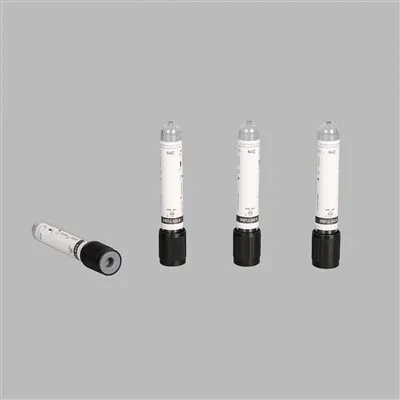
In conclusion, checking the authenticity of laboratory consumables is a multi – step process. It involves careful inspection of packaging, considering the brand reputation, evaluating product quality, using serial numbers, making comparisons, and engaging with the manufacturer when needed. By being vigilant, you can ensure that you’re using safe and reliable laboratory consumables for your research.
Disposable Infusion Set If you’re in the market for high – quality, authentic laboratory consumables, I’d love to talk to you. Whether you’re doing a small – scale experiment in a teaching lab or conducting large – scale research in a pharmaceutical company, I can provide you with the right products. Let’s have a chat about your needs and how I can help you get the best laboratory consumables for your work.
References
- ASTM International standards related to laboratory consumables
- Manufacturer’s official product documentation
- Industry reports on the prevalence of counterfeit laboratory products
Shandong Chengwu Medical Products Factory
As one of the most professional laboratory consumables manufacturers in China, we offer a wide range of products with superior quality. Please feel free to wholesale bulk laboratory consumables for sale here from our factory. For more information, contact us now.
Address: Southern End Of Quancheng Road, Chengwu County, Shandong Province, China
E-mail: contact@chengwumedical.com
WebSite: https://www.cwyymed.com/
