As a seasoned flap disc supplier, I’ve come across numerous inquiries about the differences between flap discs and grinding wheels. These two abrasive tools are commonly used in metalworking, woodworking, and other industries, but they have distinct features, applications, and performance characteristics. In this blog post, I’ll delve into the details of flap discs and grinding wheels, highlighting their differences to help you make an informed choice for your specific grinding and finishing needs. Flap Disc

Physical Structure
One of the most apparent differences between flap discs and grinding wheels lies in their physical structure. A grinding wheel is a solid, circular tool made from abrasive grains bonded together with a matrix material. The abrasive grains, such as aluminum oxide, silicon carbide, or cubic boron nitride, are responsible for cutting and grinding the workpiece. The matrix material holds the grains in place and provides the necessary strength and rigidity for the wheel to withstand the forces generated during grinding.
On the other hand, a flap disc consists of multiple overlapping abrasive flaps that are adhered to a central hub. Each flap is made of a polyester or cotton backing material coated with abrasive grains. The flaps are arranged in a radial pattern around the hub, allowing them to flex and conform to the shape of the workpiece. This flexibility gives flap discs several advantages over grinding wheels, which we’ll discuss in more detail later.
Abrasive Material and Grit Size
Both flap discs and grinding wheels are available in a variety of abrasive materials and grit sizes to suit different applications. The choice of abrasive material depends on the type of workpiece material, the required finish, and the grinding or cutting process.
Abrasive Material
- Aluminum Oxide: This is the most common abrasive material used in both flap discs and grinding wheels. It is suitable for grinding and finishing a wide range of materials, including mild steel, stainless steel, and non-ferrous metals. Aluminum oxide is relatively inexpensive and provides good cutting performance and durability.
- Silicon Carbide: This abrasive material is harder and more brittle than aluminum oxide. It is commonly used for grinding non-metallic materials, such as ceramics, glass, and stone, as well as for finishing stainless steel and other hard metals. Silicon carbide provides a smoother finish than aluminum oxide but has a shorter lifespan.
- Cubic Boron Nitride (CBN): CBN is a synthetic abrasive material that is extremely hard and wear-resistant. It is used for grinding hard metals, such as high-speed steel, tool steel, and nickel-based alloys, where high precision and long tool life are required. CBN grinding wheels are more expensive than aluminum oxide or silicon carbide wheels but offer superior performance in terms of cutting speed and surface finish.
Grit Size
The grit size of an abrasive tool refers to the size of the individual abrasive grains. A smaller grit size indicates finer grains, which are suitable for finishing and polishing operations, while a larger grit size indicates coarser grains, which are used for rough grinding and material removal.
- Grinding Wheels: Grinding wheels are available in a wide range of grit sizes, from very coarse (e.g., 16 grit) to very fine (e.g., 600 grit). Coarse grit wheels are used for rapid material removal, such as grinding down welds or shaping metal parts, while fine grit wheels are used for finishing and polishing operations to achieve a smooth surface finish.
- Flap Discs: Flap discs typically have a narrower range of grit sizes compared to grinding wheels, usually from 36 grit to 120 grit. Coarser grit flap discs are used for heavy material removal and surface preparation, while finer grit flap discs are used for finishing and blending operations.
Cutting and Grinding Performance
The physical structure and abrasive material of flap discs and grinding wheels have a significant impact on their cutting and grinding performance.
Material Removal Rate
- Grinding Wheels: Grinding wheels are designed for high material removal rates, especially when using coarse grit wheels. The solid structure of the wheel allows it to withstand high pressures and forces, enabling it to remove large amounts of material quickly. However, the high material removal rate can also result in a rougher surface finish, which may require additional finishing operations.
- Flap Discs: Flap discs have a lower material removal rate compared to grinding wheels, especially when using finer grit discs. The flexible flaps of the disc conform to the shape of the workpiece, reducing the pressure and heat generated during grinding. This results in a smoother surface finish and less risk of overheating or damaging the workpiece. However, the lower material removal rate means that flap discs may take longer to complete the same grinding task as a grinding wheel.
Surface Finish
- Grinding Wheels: As mentioned earlier, grinding wheels can produce a rougher surface finish, especially when using coarse grit wheels. The solid structure of the wheel can cause chatter and vibration, which can result in uneven surface texture. However, by using finer grit wheels and proper grinding techniques, it is possible to achieve a smooth surface finish with a grinding wheel.
- Flap Discs: Flap discs are known for their ability to produce a smooth and consistent surface finish. The flexible flaps of the disc conform to the shape of the workpiece, reducing the risk of scratches and gouges. Additionally, the overlapping flaps of the disc provide a self-sharpening action, which helps to maintain a consistent cutting performance and a smooth surface finish.
Heat Generation
- Grinding Wheels: Grinding wheels generate a significant amount of heat during operation, especially when using high pressure and high cutting speeds. The heat generated can cause the workpiece to warp, crack, or discolor, especially if the material is sensitive to heat. To minimize heat generation, it is important to use the correct grinding wheel for the material being processed, maintain a proper grinding pressure and speed, and use coolant or lubricant if necessary.
- Flap Discs: Flap discs generate less heat during operation compared to grinding wheels. The flexible flaps of the disc allow for better heat dissipation, reducing the risk of overheating and damage to the workpiece. Additionally, the lower pressure and cutting forces used with flap discs further reduce heat generation. This makes flap discs suitable for grinding heat-sensitive materials, such as thin gauge metals and plastics.
Applications
The differences in cutting and grinding performance between flap discs and grinding wheels make them suitable for different applications.
Grinding Wheels
- Rough Grinding: Grinding wheels are ideal for rough grinding operations, such as removing large amounts of material from metal parts, grinding down welds, and shaping metal surfaces. The high material removal rate and ability to withstand high pressures make grinding wheels the tool of choice for these types of applications.
- Precision Grinding: Grinding wheels are also used for precision grinding operations, such as grinding the surfaces of machine parts to a specific tolerance. Fine grit grinding wheels can produce a smooth and accurate surface finish, making them suitable for applications where precision is critical.
Flap Discs
- Surface Preparation: Flap discs are commonly used for surface preparation applications, such as removing rust, paint, and scale from metal surfaces. The flexible flaps of the disc conform to the shape of the workpiece, allowing them to reach into tight corners and edges. Additionally, the smooth surface finish produced by flap discs makes them ideal for preparing surfaces for painting, welding, or other finishing operations.
- Blending and Finishing: Flap discs are also used for blending and finishing operations, such as smoothing out rough edges and corners, and blending the surfaces of two different materials. The ability of flap discs to produce a smooth and consistent surface finish makes them suitable for these types of applications.
Conclusion
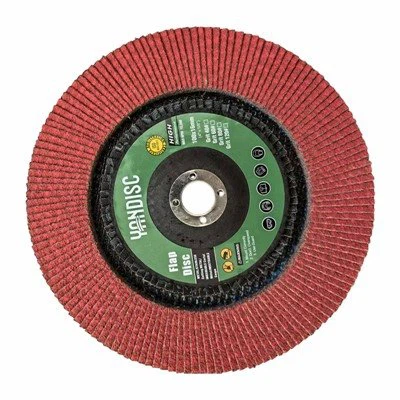
In summary, flap discs and grinding wheels are two different types of abrasive tools with distinct features, applications, and performance characteristics. Grinding wheels are ideal for high material removal rates and precision grinding operations, while flap discs are better suited for surface preparation, blending, and finishing operations. When choosing between a flap disc and a grinding wheel, it is important to consider the type of workpiece material, the required finish, and the grinding or cutting process.
Aluminum Oxide Flap Disc As a flap disc supplier, I am committed to providing high-quality products and excellent customer service. If you have any questions about flap discs or need help choosing the right abrasive tool for your application, please don’t hesitate to contact me. I would be happy to discuss your specific needs and recommend the best solution for your project. Whether you’re a professional metalworker or a DIY enthusiast, I’m confident that I can provide you with the right flap disc for the job.
References
- "Abrasive Tools and Their Applications" – An industry handbook on abrasive products.
- "Grinding Technology: Theory and Applications of Machining with Abrasives" – A technical book covering the science behind grinding operations.
- "Metalworking Processes and Applications" – A comprehensive guide to various metalworking techniques, including grinding and finishing.
Henan Yandisc Hardware Tools Co., Ltd.
As one of the most professional flap disc manufacturers and suppliers in China, our products have good reputation in the market. Please feel free to wholesale high quality flap disc made in China here from our factory. Customized orders are welcome.
Address: Zinan Road, High-tech Industrial Development Zone, Zhengzhou, Henan, China
E-mail: info@yandisc.com
WebSite: https://www.yandisc.com/
