Hey there! I’m a supplier of centrifugal water pumps, and I know how frustrating it can be when your pump starts vibrating. A vibrating centrifugal water pump isn’t just annoying; it can also be a sign of some serious underlying issues that, if left unaddressed, might lead to pump failure. In this blog, I’ll share some tips on how to fix a vibrating centrifugal water pump. Centrifugal Water Pump

Step 1: Check for Loose Parts
One of the most common reasons for pump vibration is loose parts. When you start noticing that the pump is vibrating, the first thing you should do is a visual inspection. Check all the bolts and nuts that hold the pump together. If they’re loose, it can cause the pump to vibrate.
I’ve seen this happen many times. Sometimes, during the installation or due to the continuous operation of the pump, these fasteners can come loose. You can use a wrench to tighten them up. Make sure not to over – tighten, though. Over – tightening can lead to stripped threads or even damage to the pump housing.
Step 2: Examine the Motor Alignment
The motor and the pump need to be properly aligned. Misalignment can cause excessive vibration. There are two types of misalignment: angular and parallel.
Angular misalignment occurs when the shafts of the motor and the pump are not in the same straight line, forming an angle. Parallel misalignment, on the other hand, is when the shafts are parallel but not in the same position. You can use alignment tools to check the alignment. If it’s off, you’ll need to adjust the motor’s position. This might require some patience, as getting the alignment just right can be a bit tricky. But it’s crucial for reducing vibration and ensuring the long – term performance of the pump.
Step 3: Look at the Impeller
The impeller is a key component of the centrifugal water pump. If it’s damaged or unbalanced, it can cause the pump to vibrate. Inspect the impeller for any signs of wear, such as cracks or chips.
An unbalanced impeller can be a real pain. Over time, debris can build up on one side of the impeller, causing it to become unbalanced. You can try to clean the impeller to remove any debris. If it’s severely damaged, though, you’ll probably need to replace it. It’s a bit of a hassle to replace an impeller, but it’s worth it to get rid of that annoying vibration.
Step 4: Evaluate the Foundation
The foundation on which the pump is installed plays a crucial role. If the foundation is weak or unstable, it can transfer vibrations. Make sure the pump is installed on a solid and level surface.
I’ve seen pumps installed on uneven floors, and it’s no surprise they vibrate like crazy. If the foundation is not up to par, you might need to reinforce it. You can use concrete or other suitable materials to create a more stable base for the pump.
Step 5: Analyze the Piping System
The piping system connected to the pump can also contribute to vibration. Check for any kinks, bends, or blockages in the pipes. A kinked pipe can cause uneven flow, which in turn can lead to vibration.
Also, make sure the pipes are properly supported. If the pipes are hanging loose or not supported well, they can transmit vibrations from the pump. You can install pipe supports at regular intervals to minimize this issue.
Step 6: Consider the Fluid Characteristics
The nature of the fluid being pumped can affect the pump’s performance and cause vibration. For example, if the fluid contains a lot of solids, it can wear out the impeller and other components, leading to vibration.
You might need to filter the fluid before it enters the pump to remove any solids. Also, check the viscosity of the fluid. If the fluid is too thick or too thin, it can cause problems for the pump. Adjusting the fluid characteristics can sometimes solve the vibration problem.
Step 7: Check for Cavitation
Cavitation is another common cause of pump vibration. It occurs when the pressure in the pump drops below the vapor pressure of the fluid, causing bubbles to form. When these bubbles collapse, it creates shockwaves that can damage the pump and cause vibration.
Look for signs of cavitation, such as pitting on the impeller or a noisy pump. To fix cavitation, you can increase the suction pressure or reduce the flow rate. Sometimes, just adjusting the pipe diameter or the operating conditions can help eliminate cavitation.
Step 8: Monitor the Bearing Condition
The bearings in the pump support the rotating shafts. If the bearings are worn out or damaged, they can cause excessive vibration. Listen for any unusual noises coming from the bearings. If you hear a grinding or squealing sound, it’s a sign that the bearings might need to be replaced.
Replacing bearings can be a bit technical, so you might want to call in a professional if you’re not confident in doing it yourself. But keeping an eye on the bearing condition is essential for maintaining a smooth – running pump.
When to Call in the Pros
Sometimes, fixing a vibrating centrifugal water pump can be a real challenge, especially if you’re not experienced. If you’ve tried all the steps above and the problem still persists, it might be time to call in a professional. A trained technician can use specialized tools and diagnostic equipment to pinpoint the issue and fix it correctly.
Why Choose Our Centrifugal Water Pumps
At our company, we understand the importance of a reliable centrifugal water pump. We offer high – quality pumps that are built to last. Our pumps are designed with the latest technology to minimize vibration and other common issues. We use only the best materials in the manufacturing process, ensuring that our pumps can handle a wide range of applications.
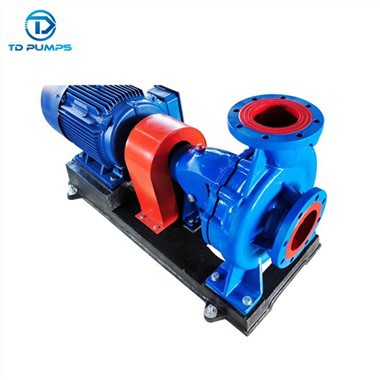
If you’re in the market for a new centrifugal water pump, or if you need parts for your existing pump, don’t hesitate to reach out. We have a team of experts who can help you choose the right pump for your needs and provide you with all the support you need. Whether it’s installation, maintenance, or troubleshooting, we’ve got your back.
Horizontal Slurry Pump So, if you’ve been experiencing problems with a vibrating centrifugal water pump, or if you’re just looking to upgrade your current system, contact us today. Let’s start a conversation about how we can help you solve your pumping problems and keep your operations running smoothly.
References
- "Centrifugal Pumps: Design and Application" by Igor J. Karassik
- "Pump Handbook" by Karassik, Messina, Cooper, and Heald
Hebei Tongda Pump Co., Ltd.
Hebei Tongda Pump Co., Ltd. is well-known as one of the leading centrifugal water pump manufacturers and suppliers in China. Our factory offers high quality centrifugal water pump made in China with competitive price. Welcome to contact us for pricelist.
Address: No.158, Bo Ming Xi Lu, Boye County, Baoding City, Hebei Province
E-mail: wendy@hbtdby.com
WebSite: https://www.waterpumpmanufacturer.com/
