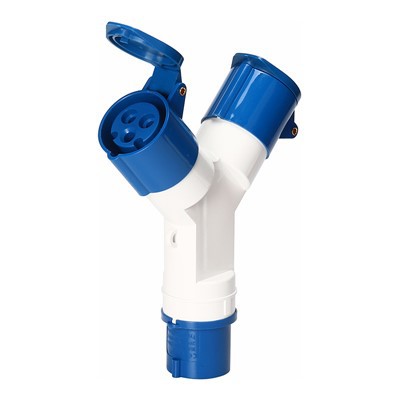
Installing a large current plug socket is a significant task that requires careful planning, proper knowledge, and adherence to safety protocols. As a supplier of large current plug sockets, I’ve witnessed firsthand the importance of a correct installation. In this blog, I’ll guide you through the process, sharing insights from my experience in the industry. Large Current Plug Socket
Understanding Large Current Plug Sockets
Before diving into the installation process, it’s crucial to understand what large current plug sockets are and why they’re used. Large current plug sockets are designed to handle higher electrical currents than standard sockets. They’re commonly used in industrial settings, workshops, and for high – power appliances at home, such as electric stoves, air conditioners, and welding machines.
The key components of a large current plug socket include a robust housing, heavy – duty contacts, and proper insulation. The housing is usually made of materials like high – strength plastic or metal to protect the internal components from damage and external factors. The contacts are made of high – conductivity metals like copper or brass, which can carry large currents without overheating. Insulation materials prevent electrical leakage and ensure user safety.
Tools and Materials Needed
To install a large current plug socket, you’ll need the following tools and materials:
- Screwdriver Set: A set of flat – head and Phillips – head screwdrivers is essential for removing and installing electrical covers and securing the socket in place.
- Wire Cutters and Strippers: These are used to cut and strip the insulation from the electrical wires.
- Voltage Tester: A voltage tester is crucial for checking if the power is off before starting the installation and ensuring there’s no live current during the process.
- Large Current Plug Socket: Of course, you’ll need the socket itself. Make sure to choose a high – quality product from a reliable supplier.
- Electrical Wires: Select appropriate gauge wires that can handle the expected current load. The wire gauge depends on the amperage rating of the socket. For example, for a 30 – amp socket, you might need 10 – gauge wires.
- Electrical Tape: Use electrical tape to insulate the wire connections and prevent short – circuits.
- Mounting Hardware: Depending on the type of installation, you may need screws, wall plugs, or brackets to mount the socket securely.
Safety Precautions
Safety is of utmost importance when installing a large current plug socket. Here are some safety precautions to follow:
- Turn Off the Power: Before starting any electrical work, turn off the power at the circuit breaker panel. Use a voltage tester to double – check that there’s no live current in the wires.
- Wear Protective Gear: Wear insulated gloves and safety glasses to protect yourself from electrical shocks and debris.
- Follow Local Electrical Codes: Familiarize yourself with the local electrical codes and regulations. These codes are in place to ensure the safety of the installation and the users.
- Avoid Working in Wet Conditions: Never install a plug socket in wet or damp areas. Water and electricity are a dangerous combination.
- Keep Children and Pets Away: Keep children and pets away from the work area to prevent accidents.
The Installation Process
Step 1: Plan the Installation
- Choose the Location: Select a suitable location for the large current plug socket. It should be easily accessible and away from sources of heat, water, and mechanical damage.
- Determine the Wiring Route: Decide on the route for the electrical wires. Make sure the wires are not pinched or damaged during installation.
- Check the Electrical Circuit: Verify that the electrical circuit can support the load of the large current plug socket. You may need to upgrade the circuit breaker if necessary.
Step 2: Prepare the Work Area
- Clear the Area: Remove any objects or debris from the work area to create a clean and safe space.
- Mark the Mounting Holes: If the socket comes with a mounting template, use it to mark the drilling holes on the wall or panel.
Step 3: Install the Electrical Box
- Drill the Holes: Drill the marked holes using a drill bit of the appropriate size.
- Insert Wall Plugs: If you’re installing the socket on a wall, insert wall plugs into the drilled holes.
- Mount the Electrical Box: Place the electrical box over the holes and secure it with screws. Make sure the box is level and firmly attached.
Step 4: Connect the Wires
- Expose the Wires: Use wire cutters and strippers to expose the ends of the electrical wires. Make sure to leave enough length for easy connection.
- Identify the Wires: In a typical electrical installation, you’ll have a hot wire (usually black or red), a neutral wire (usually white), and a ground wire (usually green or bare copper).
- Connect the Wires to the Socket: Follow the manufacturer’s instructions to connect the wires to the appropriate terminals on the socket. Usually, the hot wire is connected to the brass terminal, the neutral wire to the silver terminal, and the ground wire to the green terminal.
- Tighten the Terminal Screws: Use a screwdriver to tighten the terminal screws firmly to ensure a good electrical connection.
Step 5: Mount the Socket
- Place the Socket in the Box: Carefully place the socket into the electrical box, making sure the wires are not pinched.
- Secure the Socket: Use screws to secure the socket to the electrical box. Make sure the socket is flush with the surface of the wall or panel.
Step 6: Insulate the Connections
- Use Electrical Tape: Wrap electrical tape around the wire connections to insulate them and prevent short – circuits.
- Check for Exposed Wires: Make sure there are no exposed wires that could come into contact with other conductive materials.
Step 7: Test the Installation
- Turn On the Power: Once the installation is complete, turn on the power at the circuit breaker panel.
- Check for Functionality: Use a plug – in electrical device to test the socket. Make sure the device powers on and operates normally.
- Check for Overheating: After the device has been running for a few minutes, check the socket and the surrounding area for signs of overheating. If you notice any abnormal heat, turn off the power immediately and check the installation.
Maintenance and Troubleshooting
Regular maintenance of large current plug sockets is essential to ensure their safe and efficient operation. Here are some maintenance tips:
- Inspect the Socket Regularly: Check the socket for any signs of damage, such as cracks, loose connections, or discoloration.
- Clean the Socket: Use a dry cloth to clean the socket periodically. Avoid using water or other liquids, as they can cause short – circuits.
- Replace Worn – Out Parts: If you notice any worn – out or damaged parts, such as the contacts or the housing, replace them immediately.
In case of troubleshooting, here are some common issues and solutions:
- No Power: If the socket is not providing power, check the circuit breaker to make sure it hasn’t tripped. Use a voltage tester to check for live current at the socket.
- Overheating: Overheating can be caused by loose connections, overloaded circuits, or faulty components. Turn off the power immediately and check the connections. If the problem persists, consult a qualified electrician.
- Short – Circuit: If you experience a short – circuit, turn off the power at the circuit breaker panel and check for any exposed wires or damaged components.
Conclusion
Installing a large current plug socket is a challenging but rewarding task. By following the steps outlined in this blog, you can ensure a safe and successful installation. As a supplier of large current plug sockets, I’m committed to providing high – quality products and supporting our customers with the knowledge they need.
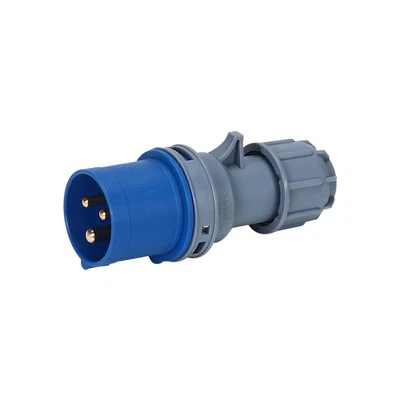
Industrial Plug If you’re in the market for large current plug sockets or have any questions about installation, maintenance, or troubleshooting, I invite you to contact us for procurement and further discussions. Our team of experts is ready to assist you in finding the right solutions for your electrical needs.
References
- National Electrical Code (NEC)
- Electrical Installation Manuals (various manufacturers)
- Electrical Safety Standards (local and international)
Zhejiang Hefeng Electric Co., Ltd.
Zhejiang Hefeng Electric Co., Ltd. is one of the most professional large current plug socket manufacturers and suppliers in China, featured by quality products and low price. Please rest assured to buy durable large current plug socket made in China here from our factory. Also, OEM service is available.
Address: Wenzhou Daqiao Industrail Park, Beibaixiang Town, Yueqing City, Zhejiang Province, China
E-mail: hefengplug@chinahfe.com
WebSite: https://www.hfcee.com/
