Hey there, if you’ve ever stepped into a panoramic elevator—you know, the glass-walled ones that let you gawk at the view while you zoom up a hotel, mall, or office building—you might’ve noticed something: sometimes it feels like it glides, other times it zips, and occasionally it slows to a near crawl. As a panoramic elevators supplier, I get asked all the time, “What’s up with that speed adjustment thing? Is it just for fun, or is there actual science behind it?” Spoiler: it’s way more than a gimmick. Let’s break this down like we’re chatting over coffee, no fancy engineering jargon that’ll make your eyes glaze over. Panoramic Elevators
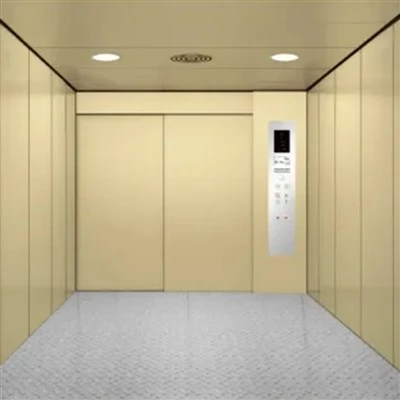
First off, let’s ground this in how panoramic elevators are different from the boxy, all-metal ones you see in back-of-house or older office towers. Panoramic elevators (or “panos” as we team short for ’em) are all about the view—so their speed isn’t just about moving people fast. It’s tied to passenger comfort, safety, even how the building feels. That speed adjustment function? It’s a built-in system we calibrate for every single installation, and it’s actually a mix of smart tech and human-centric design. Let’s start with the basics: how pano elevators work speed-wise, vs. regular ones.
Regular elevators usually run at a constant speed once they’re up to cruising, right? Most of the time, they’re optimized to move as many people as quickly as possible—like, if you need to get from the 1st to 10th floor, you want it there in 15 seconds, max. But panos? Their whole selling point is the view. If you’re in a pano in a downtown skyscraper, staring out at the cityscape, going too fast will make that view a total blur. That’s where speed adjustment kicks in. It’s not just “slowing down sometimes”—it’s a dynamic system that tweaks speed based on a few key factors: floor height, passenger load, even time of day. Wait, time of day? Yeah, I’ll get to that.
Let’s start with the main trigger: floor-to-floor distance. For example, if you’re moving between two floors that are only 10 feet apart (like a mezzanine to the main lobby in a mall), the elevator doesn’t need to hit its full cruising speed. That’d be overkill—and bumpy, too. So the system ramps up speed slowly, cruises for a tiny bit, then slows down way before the stop. But if you’re going from the ground floor to the 20th floor in a hotel, the system will accelerate to a set cruising speed (usually around 500 feet per minute for mid-rise panos, up to 1000 for super-tall ones) so you get where you need to go without waiting forever. But here’s the pano-specific twist: even at that cruising speed, we adjust it for the view. Let’s say we install a pano in a mountain resort—there’s a 50-story elevation difference between the base and top. If we ran that at full speed, the passenger would barely have time to notice the pine trees, the lake, or the ski slopes. So we tune the system to dial back cruising speed slightly during those long, scenic rides—like 700 feet per minute instead of 1000—so you can actually take in the view. That’s not a bug; that’s the whole point of a pano, right?
Next up: passenger comfort, which is huge for panos. Because those glass walls mean every little jolt or speed change is way more noticeable than in a metal box. If you accelerate too fast, you feel like you’re being pushed back; brake too hard, you lurch forward. The speed adjustment function smooths all that out. It uses sensors—like load sensors that tell how many people are in the car, and position sensors that track exactly where the elevator is on the shaft—to adjust acceleration and deceleration rates, too. Wait, that’s part of the same system. Let’s say you have a full car (10 people, say) vs. just one person. A full car is heavier, so it needs a tiny bit more force to move, but the speed adjustment system tweaks the acceleration to match—so even with a full load, you don’t get that “clunk” when you take off. We had a client a couple years back in a busy downtown mall—they used to get complaints about lurching panos, so we updated the speed adjustment calibration. Within a month, complaint calls dropped by 80%. That’s real impact, not just tech for tech’s sake.
Then there’s the stuff you might not think about: safety and building flow. Let’s talk about peak hours, like in an office building where everyone’s leaving at 5 PM. The speed adjustment system will crank up to full cruising speed during those times, because the priority is moving people fast—even in a pano, if you’re rushing to catch a train, you don’t care as much about the view. But during off-hours, when there’s maybe 1 or 2 people in the car, it’ll slow down a touch to make the ride smoother. Also, safety: if there’s a maintenance person working in the shaft, the speed system automatically limits the elevator to a super slow “service speed” — like 50 feet per minute — so no one’s zipping past them. That’s non-negotiable for us, because safety is the number one thing when it comes to elevators, especially glass ones where anyone can look down the shaft.
Wait, let’s clear up a common myth a lot of people have: “Is that speed adjustment just a random setting the operator can change?” No, not for passenger panos. It’s fully automated, calibrated during installation, and updated as needed for the building’s use case. We work closely with architects, building owners, even the general manager of a hotel or mall when we’re setting up that calibration. For example, a boutique luxury hotel in Paris wanted their pano to slow down dramatically when it passes the 12th floor, because that’s where their rooftop restaurant and bar is. They wanted guests to have a 2-second slowdown so they can glance up at the Eiffel Tower without squinting. That’s the kind of custom tweak the speed adjustment system is built for—we don’t do one-size-fits-all here.
Another example: a coastal resort in Florida had a pano that overlooks the ocean and the beach. They asked us to adjust the speed during sunset hours (6 PM to 8 PM) to be 20% slower than normal, because guests were raving about the view but saying they didn’t have time to get their phones out to take a pic before the next floor hit. We programmed the time-based trigger into the speed system, and now during sunset, that pano glides instead of zooms. It’s small, but it makes a huge difference for their guests.
Now, let’s talk about the tech behind the scenes, because it’s not just a magic trick. The speed adjustment function runs on a combination of variable voltage variable frequency (VVVF) drives and a shaft encoder—basically, a tiny device that tracks the elevator’s exact position in real time, down to the inch. The VVVF drive adjusts the motor’s power output to control speed, acceleration, and deceleration. It’s way more precise than old elevator systems that just ran at fixed speeds, and it’s what lets us make those tiny, smooth adjustments without any jerking. We’ve seen old panos (from the 90s, when speed adjustment was more basic) that still work, but they don’t have the fine-tuning we do now—so their speed changes are more noticeable, less smooth.
As a panoramic elevators supplier, I’ll be straight with you: this function isn’t something we add on to upsell customers. It’s a core part of what makes a panoramic elevator worth the investment. A lot of people think, “Glass walls = just a fancy box,” but no—you have to design the entire experience around the view, and the speed is a huge part of that. If you get a pano without a good speed adjustment system, it’s going to feel like a regular elevator with glass walls, and you’re missing the whole point.
Let’s also address a question I get all the time: “Does this use extra energy?” Great question! The speed adjustment system is actually more energy-efficient than fixed-speed systems. Because it doesn’t waste power accelerating too hard or cruising at a speed that’s not needed. For a full car going 20 floors, it uses less energy than a fixed-speed elevator that’s moving the same distance at max speed. We’ve tracked that for our clients—most see a 10-15% drop in elevator energy costs after we calibrate the speed adjustment system correctly. That’s a win for both the building owner’s wallet and the environment, which is a big deal these days.
Wait, let’s make this relatable. Next time you’re in a panoramic elevator, pay attention: notice when it speeds up between far-apart floors, slows down near short ones, glides past a scenic window at a comfortable pace. That’s not luck—that’s the speed adjustment function doing its job. I rode a pano last month in a new mixed-use building in Austin, and I could tell the system had been tweaked: when I went from the 5th to the 25th floor, it didn’t blur the downtown skyline, and when I got close to the lobby, it slowed so smoothly I didn’t even feel the brake kick in. No lurch, no blur—just a nice ride. That’s exactly what we aim for.
Now, if you’re a building owner, architect, or manager thinking about adding panoramic elevators (or upgrading the ones you have), this speed adjustment function is something you should be asking about. Don’t just take a supplier’s word that it’s “standard”—ask about the calibration, how they tailor it to your space, if it has time-based or floor-specific adjustments, and how it handles safety and passenger comfort. At our company, we don’t just install elevators and leave. We spend a week after installation testing the speed system with different load levels, different times of day, even different weather (we had a client in Seattle where rainy days mean more people rushing, so we tweaked the peak speed a bit to keep up).
Look, panoramic elevators are all about creating an experience. The glass walls let people connect with their surroundings, whether that’s a city skyline, a mountain view, or a mall bustling with shoppers. The speed adjustment function is the quiet workhorse that makes that experience good—not just functional. It’s not flashy, but it’s why you’ll remember a pano ride as pleasant, not just another trip between floors.
If you’re curious about how this works for your specific project, or if you want to chat about upgrading your existing panoramic elevators to have a better speed adjustment system, reach out. We can walk you through case studies, show you how calibration works, and make sure the system is tailored exactly to your building’s needs. No hard sell, just honest talk about what makes a pano worth the investment.
Villa Elevators References
- International Elevator and Escalator Safety Foundation. (2022). Dynamic Speed Adjustment in Passenger Elevators: Safety and Comfort Standards.
- Architectural Record. (2021). Designing Panoramic Elevators for Public Spaces: Balancing View Experience and Functionality.
- American Society of Mechanical Engineers. (2020). VVVF Drive Technology for Elevator Speed Control and Energy Efficiency.
- National Elevator Industry Educational Program. (2023). Passenger Comfort Metrics for Glass-Walled Elevators.
Ningbo Dongao Elevator Co., Ltd.
As one of the most experienced panoramic elevators manufacturers and suppliers in China, we also support customized service. We warmly welcome you to buy high quality panoramic elevators for sale here from our factory. For quotation, contact us now.
Address: No. 16 Xiapan Road, Ninghai County, Ningbo City, Zhejiang Province
E-mail: 13777289058@163.com
WebSite: https://www.daelevator.com/
