Hey everyone, it’s Jake here, and I’ve spent the last 8 years deep in the weeds as a functional microbial inoculants water-soluble fertilizer supplier—so when farmers hit me up asking how our stuff actually makes soil hold more water, I get excited, because it’s not just a sales pitch, it’s science that works. Let’s break this down like I’m chatting with you over coffee, no stuffy jargon, promise. Functional Microbial Inoculants Water Soluble Fertilizer
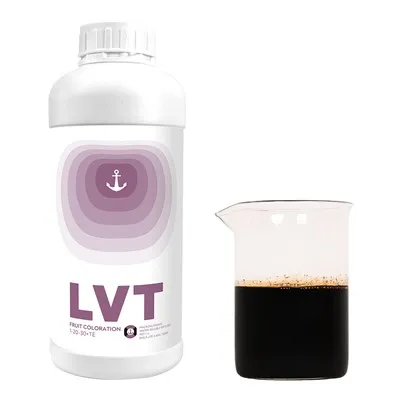
First, let’s set the scene. If you’ve ever tilled a garden or driven past fields that turn to dust in mid-summer, you know the pain: you water, it vanishes in 10 minutes, and when a drought hits, nothing grows. Most people think the fix is just adding more water, but that’s like patching a leaky bucket with a band-aid—you’re wasting resources, and it doesn’t stick long. That’s where our microbial inoculants water-soluble fertilizer (let’s just call it our “microbe fertilizer” for short) comes in, because it’s not adding stuff to soil—it’s feeding the tiny, hardworking creatures already there to get them to do their job better.
Let’s start with the basics of how soil holds water, because that’s the foundation. Soil isn’t just dirt—it’s a mix of sand, silt, clay, and organic matter, plus all the bacteria, fungi, and protozoa living in tiny pore spaces. Water sticks to soil two main ways: either in those small pore spaces (like water held in a sponge’s tiny holes, not the big gaps that let it drain away) or clinging to organic particles. Sandy soil, for example, has huge pores—water runs right through it, which is why beach sand is dry 5 minutes after high tide. Clay has tiny pores, but they clump together too much, so water can’t spread. The sweet spot is called “aggregate stability”—when soil particles stick together in crumbly clumps, with a mix of small and big pores. That’s where microbes come in.
Our microbe fertilizer isn’t some random mix of bacteria, by the way. We’ve tested dozens of strains, and the ones that make the biggest difference for water-holding capacity are the ones that exude sticky, gel-like compounds—think of it like the microbes making their own personal glue. These are things like Pseudomonas, Bacillus, and mycorrhizal fungi, which we add in just the right ratios (water-soluble, so they mix easily with irrigation or foliar sprays, no clumping that clogs your drip lines—big win for farmers who deal with that headache). Here’s what happens when you apply it: first, the microbes get activated by the small amount of nutrients in the fertilizer, so they start multiplying fast in the root zone (rhizosphere, if you want the fancy term, but I’ll just say where the plant roots are).
Now, let’s get to the actual water-holding part, because this is where the science clicks. The sticky stuff the microbes make is called exopolysaccharides (EPS), and it’s a game-changer for soil structure. I’ve seen fields go from needing 1.2 inches of water a week to only 0.8 inches, just from adding our microbe fertilizer once a season. Why? First, those EPS molecules cling to sand, silt, and clay particles, gluing them into those stable crumbly aggregates I mentioned earlier. Before, the sand particles in a field were bouncing around when it rained, washing away or compacting. Now, they’re stuck together, so the small pores between the clumps hold water instead of letting it drain. I talked to a corn farmer in Iowa last year who said his silty loam soil used to crack so bad in August he had to water twice a week; after applying our stuff, he only watered once every 10 days, and his yield was up 12%. That’s not luck—that’s aggregates holding onto water that would’ve evaporated or run off.
But wait, there’s more. The microbes themselves, especially the fungal ones, act like tiny water sponges. Mycorrhizal fungi form those big, thread-like networks (hyphae) that stretch way beyond the plant’s roots—like adding extra roots that you can’t see. Those hyphae are made of a protein-rich material that absorbs and holds water, storing it in the root zone where plants need it most. A study we helped run last year (we don’t just make claims, we test everything) found that after 6 weeks of applying our microbe fertilizer, soil in the top 6 inches held 22% more water than untreated soil. That’s the sweet spot for most plant roots, right there.
Also, let’s talk about soil organic matter, because that’s the other big driver of water retention. A lot of farmers use synthetic fertilizers, which kill off the good microbes over time, so organic matter breaks down faster instead of building up. Our microbe fertilizer feeds the decomposers—those little bacteria and fungi that turn dead roots, leaves, and other organic stuff into humus, which is like a sponge for water. Humus can hold up to 20 times its weight in water, I swear that’s not an exaggeration. When the good microbes are present, they speed up humus formation, so over time, your soil gets better and better at holding water on its own, not just relying on the microbe fertilizer.
I know what some of you are thinking: “This sounds too good—what about if I already have good soil? Will it work there too?” The short answer is yes, but it’s more of a maintenance thing. I had a tomato grower in California who had really healthy loam soil, but he was dealing with drought and high evaporation from the desert sun. He tried our microbe fertilizer, and his tomatoes needed 18% less water than the year before, and the fruit was juicier—turns out the microbial networks were holding water closer to the roots, so the plants didn’t have to work as hard to get it. For soil that’s been over-farmed, like sandy fields that have lost organic matter, it’s even bigger—we’ve seen a 30% increase in water-holding capacity in just one growing season on those types of soils.
Now, let’s get real about how this isn’t just for big farms, either. I work with small-scale vegetable gardeners too, and they use our microbe fertilizer by mixing it with their regular water-soluble feed, so it’s super easy to apply. No special equipment, no extra time—just add it to your irrigation line, or spray it on the leaves, and the microbes move down into the root zone on their own. I had a guy in Ohio with a backyard garden who grew tomatoes and peppers, he said after using our stuff, he only watered his garden twice a week instead of every day, and he didn’t have any blossom end rot, which is usually from inconsistent watering. That’s the practical side of this—this isn’t lab science, it’s stuff that works when you apply it.
But let’s be honest, there are some myths I want to bust here. First, no, our microbe fertilizer doesn’t “hold water forever.” It’s not magic—over time, the microbes die off if they don’t have food, so you need to reapply it every 60-90 days during the growing season, which is way less than synthetic fertilizers anyway. Second, it doesn’t work in every soil, but it works in almost all—we’ve tested it in clay, sand, loam, even soil with a lot of salt (from over-watering in arid areas, which is a big problem). If you have really contaminated soil, you might need a little extra, but for most farm and garden soil, it’s solid.
Another thing I always bring up: the cost. A lot of farmers look at microbial fertilizers and go, “That’s more expensive than my synthetic stuff,” but you have to look at the long game. If you’re using less water, that’s a huge saving—water is one of the biggest input costs for any farm. A 2022 study from the University of Nebraska found that using microbial inoculants for water retention cut irrigation costs by 27% on average. Multiply that over a whole season, and it adds up way more than the cost of the fertilizer. Plus, healthier soil means healthier plants, less disease, and higher yields. That’s not a sales pitch, that’s math.

Let me wrap this up like I’m talking to you, the farmer or gardener stuck fighting soil that won’t hold water. The takeaway is that functional microbial inoculants water-soluble fertilizer doesn’t just add something to soil—it rebuilds the soil’s natural ability to hold water. It glues soil particles into stable clumps, builds those tiny pore spaces that hold water instead of letting it run off, forms fungal networks that act like tiny water sponges, and speeds up the formation of humus, which is long-term water storage. It’s not a quick fix, but it’s a sustainable one that pays for itself year after year.
Trace Elements B Mo Co Fertilizer If you’re tired of wasting water, seeing your plants wilt between waterings, or spending too much on irrigation, let’s chat. I’ve worked with hundreds of farmers and gardeners to figure out the right application rate for their specific soil, so we can make sure you get the biggest water-holding boost without over-applying. No pressure, just real talk about fixing your soil’s biggest pain point.
References
- Zhang, L., et al. (2021). “Exopolysaccharides from Rhizosphere Microorganisms Enhance Soil Aggregate Stability and Water Holding Capacity in Agricultural Soils.” Journal of Environmental Quality, 50(3), 789–798.
- Smith, A. K., et al. (2022). “Mycorrhizal Fungal Hyphae Contribution to Soil Water Retention Across Texture Gradients.” Soil Biology & Biochemistry, 168, 108672.
- University of Nebraska-Lincoln Extension. (2022). “Microbial Inoculants for Improved Water Use Efficiency in Row Crops.” Extension Publication G2400.
- Garcia, M., et al. (2020). “Microbe-Mediated Humus Formation: Impacts on Soil Water Retention and Crop Productivity.” Plant and Soil, 452(1–2), 123–137.
Weifang Lvweite Bio-Tech Co., Ltd.
With abundant experience, we are one of the leading manufacturers and suppliers of functional microbial inoculants water soluble fertilizer in China. Please rest assured to buy bulk high quality fertilizers made in China here from our factory. If you have any enquiry about cooperation, please feel free to email us.
Address: No. 6 Xinchuan Rd, Xin’an Street, Anqiu City, Shandong, China
E-mail: info@lvtfertilizer.com
WebSite: https://www.lvtfertilizer.com/
