If you’ve ever stood in a renovation or design store, running your hand over uniform, scratch-prone drywall seams, or stared at a blank interior wall wondering how to warm up a cold commercial office or a drafty residential basement, you’ve probably wondered: where can I buy wall panels that actually fit my space, my style, and my long-term needs? As a wall panel supplier who’s worked with architects, contractors, and homeowners for over a decade, I hear this question every single day—and it’s not just about finding a product. It’s about finding a source that doesn’t sell you a one-size-fits-all solution, but one that understands wall panels aren’t just a surface: they’re insulation, sound control, design statement, and structural support, all rolled into one. Let me break down the best places to buy wall panels, how to vet each option, and why working directly with a trusted supplier can make all the difference for your project. Wall Panel
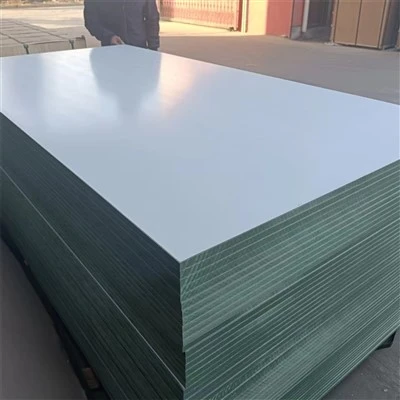
First, let’s talk about what makes a good wall panel purchase, because that should shape where you shop. Wall panels aren’t monolithic: there are MDF (medium-density fiberboard) panels, wood veneer panels, insulated foam core panels, decorative laminate panels, and even waterproof PVC panels for bathrooms or outdoor patio spaces. Each has different fire ratings, noise reduction coefficients (NRC), installation requirements, and sustainability claims. For example, if you’re outfitting a 20-story office building in a busy downtown area, you’ll need panels that meet strict commercial fire codes and have high NRC values to mask traffic noise from adjacent streets. If you’re finishing a basement for a family home, you’ll want panels that resist mold and moisture, and are easy to install for a DIY contractor. That specificity is why generic big-box stores often fall short: they stock popular styles, but rarely have the technical specs or customization options you need.
Let’s start with the most accessible option: big-box home improvement retailers. Places like Home Depot, Lowe’s, and Menards have made wall panels easy to find for small, straightforward projects. You can walk in, grab a stack of 4×8 MDF panels, load them into your pickup truck, and be done in an hour. For DIYers working on a bedroom accent wall or a small closet, this is a convenient, low-stress option. But there are big drawbacks. First, the selection is limited: most big-box stores only carry standard ½-inch MDF or pine panels in basic white or oak finishes. If you’re looking for a reclaimed wood veneer, sound-rated insulated panels, or custom size cuts, you won’t find them here. Second, the staff at big-box stores often have limited technical knowledge. I’ve had customers come to me after buying panels from a big-box store for a commercial café, only to realize the panels they bought didn’t meet local fire code requirements—so they had to tear out the work they’d done and start over. That mistake cost them thousands of dollars in labor and materials, just because no one at the store checked the fire rating for their project. Big-boxes also don’t offer bulk discounts for larger projects, and their return policies can be rigid if you cut or damage panels on-site. For small, simple residential projects, big-boxes work—but they’re not ideal for anything beyond that.
Next, specialty building supply stores and lumber yards. These are a step up from big-boxes, especially for residential and light commercial projects. Stores like local lumber yards or regional specialty suppliers often carry a wider range of wall panels, including wood veneer, composite, and decorative panels. They usually have staff who know the basics: they can tell you the difference between pre-finished and raw panels, or which ones work best for moisture-heavy spaces like bathrooms. The upside here is you can see and touch panels in person, which is a big deal: wall panels look very different in a catalog than they do up close, especially texture finishes like reclaimed wood or stone-aggregate panels. For a homeowner looking to add a rustic accent wall to their living room, a local lumber yard might have exactly the rustic cedar panels you’re looking for. But again, there are limitations. Most specialty building supply stores don’t cater to large commercial clients; if you need 1,000 square feet of sound-dampening panels for a school auditorium, they might only have enough for one small project. They also rarely offer custom sizing, finishing, or cutting services, which saves contractors hours of on-site labor. And if you’re working on a sustainable project, many of these stores don’t have transparency about the source of their wood or the environmental impact of their panels. That’s where working with a specialized wall panel supplier becomes a huge advantage.
Now, let’s talk about online e-commerce platforms. Sites like Amazon, Wayfair, and Alibaba have exploded as places to buy wall panels, offering everything from peel-and-stick decorative panels for renters to bulk commercial orders. The big draw here is selection: you can find almost any style of wall panel, from minimalist matte white to 3D textured geometric panels, often at lower prices than brick-and-mortar stores. For renters who don’t want to make permanent changes, peel-and-stick foam or vinyl panels are a perfect option—you can install them in a weekend, and remove them without damaging the wall when you move. But here’s the catch: when buying wall panels online, you can’t inspect them in person. I’ve seen countless complaints from customers who ordered 3D wood panels online, only to find the texture was far thinner and less durable than the product photos showed. Shipping is another issue: wall panels are large, heavy, and fragile. If you order a custom-sized panel from an overseas seller (common on Alibaba), it might take weeks to arrive, and there’s a high risk of damage in transit. Returning large, bulky panels is almost always a hassle, and many sellers won’t cover shipping costs for returns. For small, non-critical projects, online platforms work, but they’re not reliable for commercial projects or high-stakes residential builds.
Which brings me to the best option, in my 12 years as a wall panel supplier: working directly with a specialized wall panel manufacturer or distributor. Let’s break down why this beats every other option, no matter the size of your project. First, customization. Unlike big-box stores or lumber yards, a good supplier can tailor panels to your exact needs: custom sizes, finishes, sound ratings, fire codes, and even sustainability certifications. For example, if you’re building a boutique hotel with eco-friendly standards, a supplier can source FSC-certified wood panels, add a low-VOC finish, and cut them to fit the exact dimensions of your hotel’s hallways and guest rooms—no waste, no extra labor. For a commercial restaurant, a supplier can provide panels with high impact resistance and grease-resistant finishes, which are non-negotiable for food service spaces. Second, technical expertise. A good wall panel supplier doesn’t just sell you a product—they help you navigate the rules. I work with architects every week who are designing office buildings, and they often need panels that meet EN 13501 fire safety standards or have a minimum NRC of 0.8 for noise control. We test every batch of our panels to verify those specs, so we can tell clients exactly what they need, no guesswork. Third, bulk purchasing and reliability. If you need 10,000 square feet of panels for a retail chain buildout, a supplier can guarantee on-time delivery, negotiate fair bulk pricing, and handle any issues that come up—like a backorder, or a damaged shipment. Unlike big-box stores, which might run out of popular panels mid-project, a dedicated supplier has stock on hand or a production schedule that aligns with your timeline. Fourth, sustainability. A reputable wall panel supplier will be transparent about where their materials come from. We track every batch of wood panels back to FSC-certified forests, and our foam panels are made with 30% recycled content. If you’re building a LEED-certified home or commercial space, that transparency is non-negotiable, and most general retailers can’t offer that level of detail.
I know what some of you are thinking: “Working directly with a supplier sounds great, but is it more expensive?” It’s a fair question. In the short term, you might pay a little more per square foot than you would at a big-box store, but the long-term savings are huge. Let’s go back to that café example I mentioned earlier: a customer bought cheap, non-code-compliant panels from a big-box store, spent $2,500 on labor to install them, and then had to tear everything out when the inspector found the panels didn’t meet local fire codes. The total cost? Over $10,000. When they came to me for a replacement, the panels I supplied were only $3,000 more than the ones they’d bought originally, but the total installation cost was just an extra $500, because the panels were cut to size and ready to install. They saved $6,500 in the end. For larger projects, that gap only grows: custom-cut panels reduce on-site labor waste, bulk pricing cuts material costs, and reliable delivery avoids costly project delays.
Now, let’s wrap this up with a few tips to make sure you find the right wall panel source for your needs. First, define your project clearly before you start shopping. Are you a homeowner doing a small accent wall, a contractor building a commercial office, or an architect designing a new retail space? What are your non-negotiables: fire rating, NRC, moisture resistance, sustainability? The clearer you are, the easier it is to narrow down your options. Second, ask for samples. No matter where you shop, a good supplier will send free samples so you can test the texture, finish, and thickness of panels before you buy. A reputable wall panel supplier will always offer this, no questions asked. Third, don’t be afraid to ask for references. If you’re working with a commercial project, ask the supplier for references from other contractors or architects they’ve worked with. If you’re a homeowner, ask for photos of recent residential projects they’ve completed.
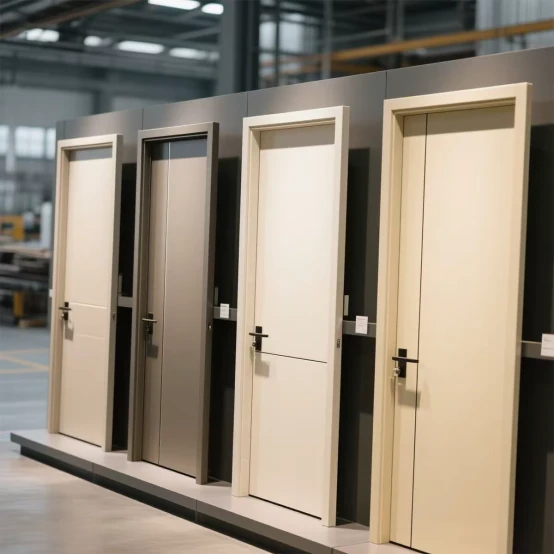
At the end of the day, wall panels are a long-term investment in your space. They’re not just a temporary surface—they affect how comfortable you are in a room, how much noise you hear, how safe your space is, and how it looks. Whether you’re a DIY homeowner looking for a small accent wall or a large contractor working on a multi-building commercial project, there’s a wall panel source that fits your needs. If you’re ready to stop guessing and start working with a partner who understands exactly what you need, don’t hesitate to reach out to discuss your project in detail. We can provide custom samples, technical specifications, and tailored pricing to fit your timeline and budget.
H20 Beam References
National Fire Protection Association. (2021). Fire Code Requirements for Interior Finish Materials. NFPA 101: Life Safety Code.
ASTM International. (2022). Standard Test Method for Sound Absorption of Acoustical Materials. ASTM C423-22.
Forest Stewardship Council. (2023). FSC Chain of Custody Certification Standards. FSC International.
U.S. Green Building Council. (2022). LEED v4.1 Interior Construction and Renovation Credit Requirements. USGBC.
Lisen Wood Industrial Shouguang Co., Ltd.
Lisen Wood Industrial Shouguang Co., Ltd. is one of the most professional wall panel manufacturers and suppliers in China, featured by quality products and low price. Please rest assured to buy discount wall panel from our factory. Welcome to contact us for quotation and free sample.
Address: Nongsheng road, shouguang,shandong province, china
E-mail: liuzhenxi@lisenboard.com
WebSite: https://www.sglswood.com/
