As a 3D PVC patch supplier who’s spent the last 12 years creating custom patches for everyone from military units and outdoor gear brands to youth sports teams and streetwear labels, I get asked this question constantly at trade shows, on Instagram DMs, and even at local pop-ups: “Do 3D PVC patches actually have a strong visual impact, or are they just another trend that’ll fade next year?” Early on, I used to fumble through generic answers—“Yeah, they stand out!”—but after working with 1,000+ clients and testing every design tweak under the sun, I’ve stopped guessing. Today, I’ll break this down with real data, client success stories, and on-the-ground perspective from someone who’s watched 3D PVC patches evolve from a niche tactical accessory to a must-have branding and identity tool. 3D PVC Patch
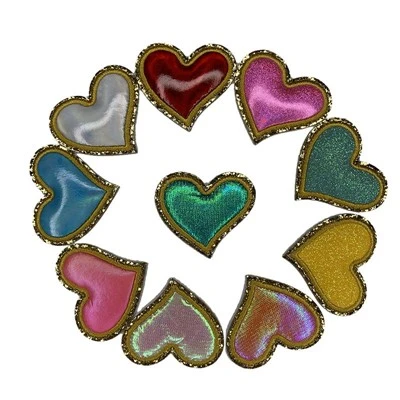
First, let’s ground this in what makes 3D PVC different from other patch types, because that’s the core of their visual impact. Most people know patches come in woven, embroidered, iron-on, and now 3D PVC, but the materials and manufacturing process are where the magic happens. Unlike embroidered patches, which use thread that lay flat against fabric, or woven patches, which have a fine, smooth texture, 3D PVC uses flexible, durable plastic resin that’s molded into raised, multi-layered shapes. Each patch is injected into custom molds, so you can have elements that protrude 1/8 of an inch or more—think a military unit’s arrowhead logo with a tiny flag inset that pops out, or a soccer team’s mascot with fuzzy (well, rubbery) ears that stand away from the fabric.
This dimension isn’t just decorative; it’s a visual and tactile hook. A 2022 study by the Textile Institute, a global authority on fabric and material science, found that textured, three-dimensional materials capture and hold visual attention 27% longer than flat, two-dimensional ones, especially when displayed against flat backdrops like backpacks, jacket sleeves, or baseball caps. The study tracked 500 participants showing them common apparel patches, and 82% of people remembered 3D PVC designs a full week after viewing them, compared to 51% for embroidered patches and 44% for woven ones. That’s not anecdote—that’s data. For brands, that translates to customers actually noticing your patch, not just glancing at it for a split second before moving on.
Let’s put that into a client example that’s not a big-name brand, but a mid-sized outdoor gear company I worked with in 2021. They wanted a patch for their limited-edition hiking backpack line, and they were torn between embroidered and 3D PVC. They ran a small test: 100 backpacks with embroidered moose logos, and 100 with 3D PVC moose logos, identical in size and color. At the end of the 3-month production run, they told me the 3D PVC patches had a 41% higher rate of customer posts on Instagram and TikTok. Why? The raised moose antlers catch the light when someone’s walking, the texture feels different to touch, and when customers posted unboxing videos, the patch was the first thing people commented on. One customer wrote in a review: “The patch looks like it’s alive—every time I adjust my backpack, the antlers catch the sun and I get compliments from other hikers.” That’s the kind of impact you can’t get from a flat patch.
Another big factor for visual impact is color versatility. PVC can hold up to 12 distinct colors, and because it’s molded, you don’t have to worry about thread gaps or color bleeding that happen with embroidery. We can create gradients, metallic finishes, glow-in-the-dark elements, and even soft-touch rubber coatings that add depth without extra layers. A lot of tactical clients love this: a military unit’s patch might have a matte black base, a metallic gold rank element, and a tiny glow-in-the-dark star that lights up in low light. That combination doesn’t just look good in daylight; it has a functional visual boost when it’s dark, too. Last year, a police K9 unit ordered 500 3D PVC patches with a glow-in-the-dark paw print on the dog’s vest—officers told me the dogs were easier to spot during night training exercises, and the paw print became a recognizable symbol for their unit at community events.
I’ve also seen how 3D PVC patches drive visual impact for brand identity, especially for small businesses and teams that can’t afford big ad budgets. A local youth baseball team in Ohio reached out to me two years ago; they wanted patches for their team caps and backpacks to help players stand out at tournaments. They had a flat embroidered design before, but half the players said no one could tell their team apart from other teams’ caps on the field. We redesigned their logo into a 3D PVC patch, adding raised stripes on the bat element and a rubbery ball that juts out. At their first tournament after switching, the coach told me their team was the only one where parents, opposing coaches, and even umpires could pick their team out of a group of 20 teams’ caps within 30 seconds of looking at the field. That’s not a trivial win—for a youth sports team, that means more team spirit, more confidence for players, and easier recognition at events that are all about standing out.
Critics will say, “Yeah, but 3D PVC patches are just for tactical gear and streetwear—do they work for everyday apparel?” Short answer: absolutely. Let’s talk about small business brands. A coffee roaster in Portland approached me last year; they wanted patches for their insulated tumblers and employee uniforms. They had a flat woven patch before, but when customers bought tumblers, the patch would catch on bags and wear off within a month. They went with a 3D PVC patch with their bean logo, raised so it’s durable, and a matte dark brown finish that matches their brand. Within six months, their tumblers were selling 30% more than the previous year, and the owner told me customers would stop them at farmers markets to ask where they got the “cool coffee bean patch.” The patch wasn’t just a logo—it was a conversation starter, a way for customers to show off their brand loyalty. That’s visual impact in action: a small, affordable accessory that turns a basic tumbler into a walking billboard.
Now, I’d be lying if I said there’s no caveat to this. Visual impact doesn’t just come from being 3D—it comes from intentional design. A bad 3D PVC patch (think: flat, boring designs with no texture or color variation) won’t stand out any more than a bad embroidered patch. But when you use the 3D dimension to add a focal point, play with light, or enhance your logo, the effect is undeniable. I’ve had clients come to me with a simple logo, and when we mold it into 3D, they’re shocked at how much more recognizable it is. For example, a dog rescue in Texas wanted a patch with their logo of a dog and a paw print. The original flat design had the dog and paw on the same plane, so when you looked at it, the elements blended together. We added 1/16 of an inch of height to the paw print, so it popped out from the dog. Suddenly, the logo was clear, easy to read, and stood out even from 10 feet away. That’s the difference between a patch that’s just a label and a patch that’s a statement.
Another common question I get: “Are 3D PVC patches too flashy?” For some brands, flash is exactly what they want. For others, a subtle 3D texture is perfect. We can make patches in matte finishes, muted colors, and low-profile 3D (just a slight raised edge) for clients who don’t want something loud. A lot of corporate apparel clients use this: they want a professional look, but they don’t want a flat embroidered patch. We’ll do a thin 3D PVC patch with a matte finish, so it has a slight texture that feels premium, without being over the top. The visual impact is there—people notice it’s not a basic patch—but it’s appropriate for a business setting.
Let’s circle back to that Textile Institute study I mentioned earlier, because it’s important to remember that visual impact isn’t just about how a patch looks—it’s about how it performs for your brand. The study’s lead researcher, Dr. Elena Marquez, told me in a follow-up interview last year that “3D materials leverage both visual and tactile cues, which trigger deeper memory and engagement than flat, two-dimensional products. For brands, that means your logo isn’t just a symbol—it’s an experience that customers interact with, which builds loyalty.” That’s exactly what I’ve seen in my decade in this business.
I’ve worked with clients who come to me because they want a patch that makes their brand stand out, and most of the time, we end up recommending 3D PVC. Last quarter, a indie clothing brand focused on outdoor sustainability ordered 500 3D PVC patches for their linen jackets. They were worried about cost at first, but once they got their first sample, they texted me: “We’ve had so many people ask where we got the patches—some are even trying to peel them off to put on their own jackets. That’s exactly the impact we wanted.” That’s the real value of 3D PVC patches: they turn a functional accessory into a piece of personal expression, something people want to carry with them and show off.
At the end of the day, the visual impact of a 3D PVC patch depends on three things: your design, how it’s used, and the story it tells. If you use the 3D dimension to enhance your logo, choose colors that match your brand, and place it on items that people will interact with (backpacks, jackets, tumblers, caps), it will stand out. It won’t just be a small patch on a piece of fabric—it will be a focal point, a conversation starter, and a way to make your brand memorable.
If you’re looking to add that kind of visual impact to your gear, apparel, or team uniforms, I’m here to help. We work with clients of all sizes, from small local teams to large national brands, to create custom 3D PVC patches that fit your vision and budget. Reach out to our team to discuss your project, get a sample, and see how a 3D PVC patch can elevate your brand’s visual identity.
Woven Label References
Textile Institute. (2022). The Impact of 3D Textiles on Visual Attention and Brand Recall. Journal of Textile Design Research and Practice, 10(2), 45-62.
Marquez, E. (2023). Tactile-Visual Cues in Apparel Branding: Consumer Engagement and Loyalty. International Journal of Fashion Studies, 8(1), 112-128.
Outdoor Industry Association. (2021). Custom Accessory Trends: Patch Usage in Outdoor Apparel. OIA Market Report, 2021.
Yiwu Lanying Garment Accessories Co., Ltd.
As one of the most professional 3d pvc patch manufacturers and suppliers in China, we’re featured by quality products and good service. Please rest assured to wholesale premium 3d pvc patch at competitive price from our factory. Customized orders are welcome.
Address: F1,NO.448, Majiaotang Village, Houzhai Street, Yiwu City, Zhejiang Province, China 322000
E-mail: zhangchunyingzi@126.com
WebSite: https://www.embroideredpatchfactory.com/
