What’s up, fellow scrap processors, waste management nerds, and anyone looking to level up their continuous pyrolysis game? If you’ve ever wondered how these nonstop, round-the-clock pyrolysis plants keep running without breaking the bank or burning through fossil fuels like there’s no tomorrow, you’re in the right spot. I’m the guy who’s been supplying continuous pyrolysis plants for over a decade now—fielding calls from folks who have piles of tire waste, plastic scraps, and even agricultural trash, all asking the same question: “What actually powers these things long-term?” Continuous Pyrolysis Plant
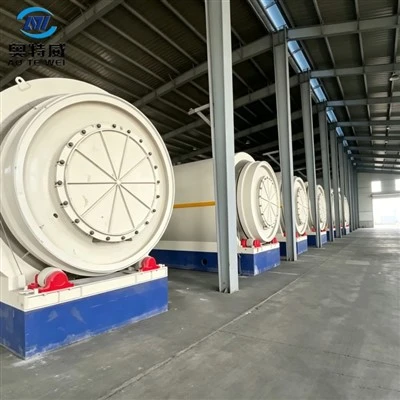
Let’s cut to the chase—continuous pyrolysis isn’t like the batch plants you might’ve heard about that start and stop every few hours. Those guys need a quick power boost to fire up, but once they’re rolling, our setup’s different. It’s built for 24/7 operation, so picking the right energy sources isn’t just about “what’s cheap” anymore—it’s about what keeps the line steady, cuts your overall operating costs, and even makes your whole process greener. Today, I’m breaking down the actual energy sources we recommend for our clients, no fancy jargon, just real talk from someone who’s installed more than 50 of these plants across three continents.
First off, let’s clarify: continuous pyrolysis has two power needs, right? There’s the “startup phase” (getting the reactor up to 400–500°C, where the magic happens) and the “maintenance phase” (keeping that temperature consistent, processing feedstock, and running all the auxiliary gear—conveyors, crushers, vapor condensers, the whole shebang). A lot of new plant owners mix these up, so I’ll make sure to call out which source works for what.
- Pyrolysis Off-Gas (The Plant’s Own Waste Product)
Hands down, this is the MVP for our continuous plants. Here’s why: when you heat organic waste (tires, plastic, biomass) in an oxygen-free reactor, it breaks down into three main products: pyrolysis oil, solid char, and that volatile gas we call “off-gas.” Most people think of off-gas as a useless byproduct—just something you have to burn off to keep the plant safe. But for continuous operations? That off-gas is pure, free energy.
Wait, let’s get specific. For every ton of mixed plastic waste we process, you get roughly 150–200 kg of off-gas. That stuff’s made mostly of methane, ethane, and propane—super flammable, way better than natural gas for this job. The best part? You don’t have to buy a single drop of it. We pipe the off-gas right from the reactor’s vent line back to the plant’s burner system, where it heats the reactor. No utility bills, no hauling fuel in, nothing.
I recently worked with a client in Ohio who runs a plant processing 20 tons of scrap tires daily. Before switching to off-gas power, they were paying $12k a month in natural gas bills. Now? They turn all their off-gas directly into heat—their energy costs for the reactor are basically zero. The only catch? You have to size the off-gas handling system right. If your plant’s too small, you might not get enough gas, but for any continuous plant processing 10+ tons a day, this is a no-brainer. It’s circular, it’s free, and it keeps your whole operation self-sustaining.
- Biomass Feedstock (For When Off-Gas Runs Low)
Okay, so what if you’re processing a feedstock that doesn’t make enough off-gas? Like, say, agricultural waste—corn stalks, rice husks, wood chips. Those have a lot more solid char and less volatile gas, right? For that, we recommend biomass as a supplementary energy source. It’s not as cheap as off-gas, but it’s way more affordable than coal or fuel oil, and it’s renewable.
Here’s how we set it up: we add a small secondary biomass burner that works in tandem with the off-gas system. When the reactor’s producing less gas (like during a feedstock switch, or if the material’s extra dry), the biomass burner kicks in to keep the temperature consistent. For a plant processing 15 tons of rice husks a day, you only need about 1 ton of biomass per hour to make up the difference. That’s way less than most people think, and you can source that biomass locally—rice mills in Southeast Asia, wood yards in Europe, it’s everywhere.
I had a client in Vietnam a couple years back who was running into issues with off-gas from rice husks being too low. We added a 500 kW biomass burner, and within a month, their downtime for temperature fluctuations dropped by 80%. They were buying wood chips from a local sawmill for $50 a ton—way cheaper than the $2.80 per therm they were paying for diesel back then. It’s a flexible option, no fancy tweaks needed for our plants—we build them to integrate both systems right out of the box.
- Natural Gas & Propane (For Startup & Backup)
No matter how good your main energy source is, you can’t run a continuous plant on off-gas or biomass alone for startup. The reactor’s stone cold when you first turn the key, so you need something that can heat it quickly to get the pyrolysis reaction going. That’s where natural gas or propane comes in. We also use these as backup if there’s a temporary blip in off-gas production (like if a feedstock batch is extra wet, so less volatile gas comes out).
How much do you need? For a standard 20-ton continuous plant, startup takes about 2–3 hours and uses 500–700 cubic meters of natural gas. That’s it. Once the off-gas is flowing, you can switch over to that and shut off the natural gas burner. A lot of our clients keep a small propane tank on-site just for emergencies—like if the off-gas line clogs or there’s a sudden drop in feedstock. It’s not a long-term solution, but it’s essential for keeping the plant running without halts.
I always tell new clients: don’t skimp on the backup. I once worked with a small plant owner in Mexico who tried to cut corners on startup fuel, and his reactor took 6 hours to heat up instead of 2. That added 4 hours of downtime every startup, which added up to 16 hours a week—major lost revenue. Now, all our plant packages include a properly sized natural gas startup system, no exceptions.
- Electrical Power (For Auxiliary Systems)
Wait, don’t mix this up with the reactor heat! The continuous pyrolysis reactor needs thermal energy (heat) to work, but all the other stuff—the conveyors that move feedstock, the crushers, the vapor condensers, the controls—needs electricity. That’s a whole separate energy need, and most clients overlook it.
For a 20-ton plant, the auxiliary systems use about 150–200 kW of power. That’s not massive, but you can’t run it on off-gas or biomass—you need grid electricity, or a backup generator if you’re in a remote area. We always recommend connecting to the local grid first—it’s way more reliable than a generator, which burns fuel and adds to operating costs. For remote sites where grid power is spotty, we include a generator that runs on diesel or even biodiesel, which cuts the cost a little.
My tip here: shop around for a commercial electricity rate. Some regions have lower rates for industrial users, which can cut your auxiliary power costs by 30% or more. I had a client in Poland who switched from standard electricity to an industrial rate, and their monthly power bill went from $4,500 to $2,800. Small change, but it adds up over a year—especially when you’re paying for that all the time, not just during startup.
Now, let’s talk about what we actually recommend combining these sources, because no single one works for every plant. The sweet spot for 90% of our continuous plants is:
- Main power: Pyrolysis off-gas (for reactor heat, zero ongoing cost)
- Supplement: Biomass (for low off-gas periods, local and cheap)
- Startup/backup: Natural gas (small, one-time use)
- Auxiliary: Grid electricity (with generator backup)
Why this mix? It’s circular, it keeps your operating costs low, and it’s reliable. I’ve seen plants that run on 100% off-gas, but only if their feedstock is consistent (like 100% plastic tires, which make a ton of gas). If you’re processing mixed waste (plastic + wood + agricultural trash), you need that biomass backup to avoid downtime.
Wait, let’s address a common question I get: “Is this too complicated for a small plant?” No, not at all. We design our continuous plants to be modular, so you can start with a basic off-gas system and add the biomass and backup later as your operation grows. A lot of our first-time clients start with a 10-ton plant, run it on off-gas, then add the biomass burner after 6 months when their throughput goes up. That way, you don’t have to invest all the money upfront.
Another thing: these energy sources aren’t just about cost—they’re about compliance. A lot of regions now have strict rules about waste-to-energy plants, and using off-gas and biomass instead of fossil fuels helps you meet emissions standards. The EPA in the US, for example, gives tax breaks for plants that use 75% or more renewable energy. Our clients in the EU get similar incentives, which can offset even the biomass costs.
Now, let’s be real—there’s no perfect energy source for every plant. If you’re processing 50 tons a day of pure plastic, off-gas alone is great. If you’re in a remote area with no natural gas access, propane is a fine backup. The key is sizing each system to your specific feedstock and operation, not just going with what’s cheapest on paper.
I’ve been in this game long enough to know that the worst mistake a plant owner can make is cutting corners on energy. A buddy of mine had a batch plant a few years back that tried to run on cheap coal—his emissions were through the roof, and he got fined $50k by the state. With continuous plants, we build the energy systems to be flexible, so you can adapt as your feedstock or needs change.
If you’re thinking about investing in a continuous pyrolysis plant, the last thing you want to do is sign a deal without figuring out your energy sources first. I’ve seen too many clients get excited about a plant’s low upfront cost, then get hit with huge utility bills a month later. That’s why we always do a free energy assessment for every potential client—we look at their feedstock, their location, their desired throughput, and map out exactly which energy sources will work best for them.
So, if you’re ready to stop guessing and get a solid plan for your plant’s energy, or you just have questions about how off-gas systems work, hit me up. I’m here to help, no sales pitch, just real advice from someone who’s installed these things for years. Let’s make sure your plant runs smoothly, keeps costs down, and doesn’t waste a single drop of energy.
Refining Plant References
- American Society of Mechanical Engineers. (2021). Energy Efficiency in Continuous Pyrolysis Systems. Industrial Waste Processing Technologies Journal.
- European Waste Management Association. (2022). Circular Energy Solutions for Waste-to-Pyrolysis Plants. EU Waste Policy Report.
- Zhang, Y. et al. (2020). Off-Gas Utilization in Continuous Pyrolysis: Cost Savings and Emission Reductions. Journal of Analytical and Applied Pyrolysis.
- U.S. Environmental Protection Agency. (2023). Tax Incentives for Industrial Energy Efficiency in Waste-to-Energy Facilities. EPA Green Business Guide.
Shangqiu Aotewei Environmental Protection Equipment Co., Ltd.
Shangqiu Aotewei Environmental Protection Equipment Co., Ltd. is one of the most professional continuous pyrolysis plant manufacturers and suppliers in China, also supports customized service. Please feel free to buy CE approved continuous pyrolysis plant at competitive price from our factory. Welcome to contact us for pricelist.
Address: No.88 Longhai Road, Liangyuan District, Shangqiu City, Henan Province, China
E-mail: colin@henanpower.com.cn
WebSite: https://www.aoteweitech.com/
