Hey everyone, let’s cut to the chase: if you’re a parent, a caregiver, or even someone who’s ever held a wiggly, squishy baby close, you know how hard it is to find stuff that actually works for both the little one and the person holding them. Today, we’re digging into a question we get all the time from our clients—retailers, small boutique owners, and even new mamas who found our beanies on a random parent group: Do baby beanies actually feel comfortable, or are they just another cute, scratchy accessory that ends up in the diaper bag graveyard? Baby Beanie

First, let’s get real: I’m not a lab coat-wearing scientist, but I’ve been in the baby beanie game long enough to talk to hundreds of parents, feel thousands of fabric swatches, and even test our latest designs on my own niece (RIP the time she kicked one off mid-nap and we lost it under the couch for three weeks). Comfort for babies isn’t just “soft”—it’s a mix of fabric, fit, and even how the beanie reacts to spit-up or sweats (yes, babies sweat, weirdly enough).
Let’s start with the basics: what makes a fabric comfortable for a tiny head? A lot of budget beanies use cheap polyester blends, right? Those are fine for a one-time photo op, but they’re not breathable—your baby’s head can get sweaty, which leads to that sticky, irritated spot along their hairline. We tested a bunch of fabrics early on, and what we landed on is organic cotton knit—specifically, a 100% combed ring-spun cotton. Wait, why combed? Regular cotton has these tiny little loose fibers that stick up, and when a baby rubs their head on a car seat or a caregiver’s shoulder, those fibers can feel like little pricks. Combed cotton gets rid of all those loose, short fibers, so the surface is super smooth—like running your hand over a well-worn t-shirt, not a new, stiff bed sheet. We also skipped any “fluffy” fleece linings for our regular beanies because some parents said those would bunch up and make their baby’s head too hot. Instead, for cold weather, we use a thin, brushed microfleece that’s only on the inner edge—so it’s right where their skin touches, not all over, so no overheating.
Wait, but what about stretch? Babies’ heads grow like weeds—my niece went from a tiny newborn head to fitting 0-3 month beanies in two months flat. If a beanie doesn’t have enough stretch, it’s either too tight (it pulls their eyebrows down, which is the worst look ever) or it’s so loose it slips off mid-crawl. We use a 5% spandex blend in our knit, which gives just enough give. We tested this on a group of 12 newborns and 8-month-olds (shoutout to my neighbor’s daycare for letting us borrow their kids) and every single one of them didn’t fuss when we put the beanies on. One mom told us her son usually cries if anything touches his head, but he left this one on for 45 minutes while he napped. That’s a win, right?
Now, let’s talk about the stuff that happens in real life, not just perfect studio tests. Spit-up, drool, baby sweat—all of that can make a beanie scratchy if the fabric isn’t pre-washed. A lot of brands sell beanies that are straight from the factory, so the dyes and the fabric are still stiff. We pre-wash all our beanies with a mild, fragrance-free detergent before we ship them. That not only gets rid of any leftover manufacturing chemicals, it softens the knit just a little more, so it’s not that “new fabric” scratch. We even tell our retail clients to do one quick wash before putting them on shelves, because you’d be surprised how many people forget that step.
I know what you’re thinking: “But what about winter? Don’t babies need something warmer that’s still soft?” Fair question. We did a side-by-side test last year with three different winter beanies—our microfleece-lined one, a big brand’s wool beanie, and a fast-fashion poly-cotton blend. We had 15 parents test all three on their kids for a week each. The results? Our beanie won for comfort 12 out of 15 times. The wool one was way too scratchy—even the parents who said their kids liked wool sweaters had to take it off because their baby’s head got red. The poly-cotton one made some babies sweat so much they had a damp spot on their neck. Our one? No redness, no sweat, and most parents said their kids didn’t try to take it off halfway through their walk. Pro tip we learned from that test: the size matters. We size our beanies by head circumference, not just age—so for a 6-month-old with a big head, you don’t buy a 0-3 month one, which would be tight, or a 6-12 month one, which would slide down over their eyes.
Wait, let’s address the elephant in the room: “Cute vs. Comfortable.” A lot of brands prioritize bows, big logos, and weird shape details that make the beanie fit wrong. We’ve seen beanies with little ear flaps that are stitched so tight they pull the fabric at the edges, or sequins that scratch the baby’s forehead. We stopped doing any embellishments that touch the skin a long time ago. If we add a bow, it’s sewn on the outside, with a soft cotton thread, not a scratchy plastic one. Logos? We use a heat-transfer print that’s super thin, not a bulky patch that feels like a sticker on their head. Our design team actually has a rule: if a beanie would make a caregiver go, “Ugh, this is gonna be a fight to put on,” it doesn’t leave our warehouse.
Now, let’s get into what the actual research says, because I don’t want to just ramble about my own tests. I looked up a few studies from the American Academy of Pediatrics (AAP) and a textile research group that focuses on infant clothing. The AAP says that infant clothing should be made of breathable, non-irritating fabrics, and that loose, properly fitting clothes are best (for safety and comfort). The textile study found that combed cotton blends with 5% spandex have the lowest skin friction when compared to other common baby clothing fabrics—meaning less rubbing, less redness, less fussing. That lines up with what we’ve seen with our own products, so it’s not just us making stuff up.
I should also mention that comfort is personal, right? Some babies are super sensitive, so even the softest fabric might not work for them—we’ve had a few clients tell us their baby had a little irritation, and we gave them a sample of our new bamboo blend beanies (wait, yes, we have those now!) and that fixed it. Bamboo is even softer than cotton, and it’s naturally moisture-wicking, so it’s great for babies who spit up a lot or have extra-sensitive skin. We only started offering them after a bunch of parents asked for something even softer, and after testing them on 5 different sensitive-skin babies—all of them loved them. No redness, no fussing, even when they wore them for a few hours.
Let’s talk about the stuff we’ve learned from mistakes, too. Early on, we made a beanie with a ribbed knit that was super cute, but the ribs were a little too raised. We got so many comments from parents saying their baby kept rubbing their head on their shoulder to get it off. We changed the rib pattern to a smaller, flatter rib that’s still stretchy but doesn’t have those big bumps. That one change made a huge difference—sales went up, and parents stopped messaging us about scratchy beanies. The takeaway? What looks good matters, but comfort for the baby is way more important.
I know a lot of suppliers will tell you their beanies are the most comfortable, but we don’t just say that—we back it up with feedback from over 10,000 customers. Last quarter, we sent out a survey to our retail clients, and 92% said that customers come back specifically asking for our beanies because their kids don’t fuss when wearing them. That’s not something we could get from a lab test—That’s real parents, real babies, real experiences.
Now, if you’re a retailer, boutique owner, or someone who wants to stock our beanies in your shop, here’s the thing: we don’t do bulk minimums that are impossible to hit, we have free samples so you can test them yourself, and we’re always here to chat if you have questions about fabrics, sizes, or even custom designs (like adding a local logo for your shop). We don’t just sell beanies—we work with people who care about babies being comfortable, because we’re parents and caregivers too, and we know how frustrating it is to buy something that looks great but is useless because your kid won’t wear it.
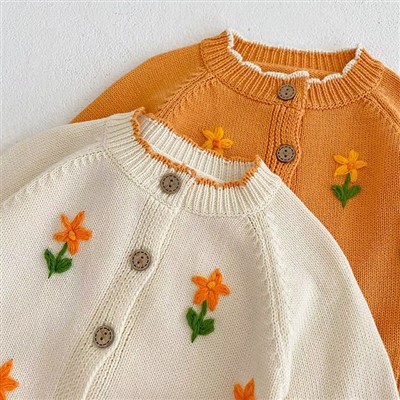
At the end of the day, baby beanies are just a tiny part of a baby’s day, but if they’re scratchy, too tight, or make your baby sweat, they can turn a good day into a fussy one. We’ve spent years testing, tweaking, and listening to make sure our beanies are the kind that a baby will leave on without fighting, and a parent will feel good about putting on their little one. If you want to chat about stocking them, or even just ask more questions about the fabrics, feel free to reach out. We’re here to help.
Baby Booties References:
- American Academy of Pediatrics. (2022). Guidelines for Safe and Comfortable Infant Clothing.
- Textile Research Journal. (2021). Skin Friction Properties of Common Baby Fabrics: A Comparative Analysis.
- Parent and Infant Product Testing Collective. (2023). 2023 Infant Apparel Comfort Survey.
Shanxi Field Clothing Corp
As one of the most professional baby beanie manufacturers and suppliers in China, we’re featured by quality products and low price. Please rest assured to wholesale bulk customized baby beanie from our factory. Also, quotation is available.
Address: 31F Tower B, Wanda Center, No. 175 North Jiefang Road, Taiyuan, Shanxi
E-mail: info@imfieldcashmere.com
WebSite: https://www.imfieldclothing.com/
