If you’ve ever picked up a 15-pound bag of grain-free kibble, a 10-pound sack of freeze-dried raw, or a resealable pouch of cat treats, you’ve probably handled a pet food woven bag without realizing how much engineering goes into its water-resistance. As a supplier that’s worked with pet food brands for over a decade, I get a lot of questions from customers and even other vendors: “What does water-resistance actually mean for these bags?” It’s not just about keeping kibble dry if a bag gets spilled on, though that’s a big part of it. For us, water-resistance is a balance of material science, manufacturing process, and an understanding of how pet food is stored and transported—all tailored to the unique needs of pet owners and the brands that rely on our bags to protect their products. Let’s break it down, from what makes a woven bag water-resistant to how we test it and why it matters more than you might think. Pet Food Woven Bags
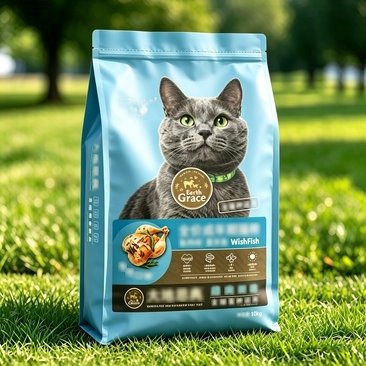
First, let’s start with what a pet food woven bag is, at its core. Most are made from polypropylene (PP) plastic, extruded into thin strands, then woven into a flexible, mesh-like fabric. The weave pattern isn’t random: different weave densities (how many strands per square inch) create different levels of strength, breathability, and, crucially, water-resistance. But plain PP woven fabric is porous—small gaps between strands let moisture seep through, which is a problem for pet food. Kibble, for example, is a mix of carbohydrates, fats, and proteins that can absorb moisture quickly; even a small amount of water can make it clump, grow mold, or go rancid long before the expiration date. That’s why nearly all pet food woven bags go through a coating or lamination process to add water-resistance.
There are two main types of water-resistance we focus on, and they’re not interchangeable. First is moisture barrier, which prevents liquid water from seeping into the bag. That’s the one people usually think about: if a bag is left out in the rain for 10 minutes, or a customer spills a glass of water on it in their garage, the kibble inside stays dry. The second is vapor resistance, which stops water vapor (the tiny, invisible molecules in air) from passing through. This is just as important, especially for pet food that’s stored in humid environments—like the Southern US, or coastal areas where average humidity hovers around 70% year-round. Over weeks or months, vapor can seep through uncoated woven fabric and cause even dry kibble to lose its crisp texture, develop stale odors, or attract pests like pantry moths.
So how do we make a woven bag both liquid and vapor-resistant? The most common method for our products is lamination: we fuse a thin layer of polyethylene (PE) film to the inside of the PP woven fabric. PE is cheap, flexible, and has excellent water and vapor resistance—perfect for this use case. But not all laminations are the same. For small pet treat bags, we use a 15-micron PE film, which is thin enough to keep the bag lightweight and printable (brands want clear logos and ingredients labels on the front, after all). For larger, heavy-duty bags (the 20, 30, or 50-pound bags of bulk dog food), we use a 25-micron or thicker PE layer, plus often a second layer of acrylic coating on the outside for extra durability against scratches or abrasion during shipping.
Another option for eco-conscious brands is cast polypropylene (CPP) lamination, which is fully recyclable and has a lower carbon footprint than traditional PE laminations. We’ve worked with a few specialty brands that focus on sustainable pet food to develop these, and while they’re a bit less water-resistant than PE options, we’ve tweaked the weave density to compensate—adding a tighter strand pattern that cuts down on vapor permeability without sacrificing the recyclability they’re looking for. That’s the thing about this industry: pet food brands have different priorities, so we don’t just offer a one-size-fits-all water-resistant bag. We tailor the level of resistance to the product, the target market, and the storage conditions the bag will face.
Testing is a big part of making sure a pet food woven bag actually lives up to its water-resistance claims. We don’t just guess—we follow industry standards set by organizations like the American Society for Testing and Materials (ASTM) to make sure our bags perform as promised. The most common liquid water test is the “static immersion test”: we fill a finished bag with a 10% salt solution (to simulate tap water, which has minerals that can add to moisture damage), seal it, and submerge it in a tank of water for 30 minutes. After that, we weigh the bag to see how much water seeped in, and inspect the inside for damp spots. For vapor resistance, we do a moisture vapor transmission rate (MVTR) test: we place a sample of the bag fabric in a controlled chamber with 90% humidity and 100 degrees Fahrenheit, and measure how much water vapor passes through it over 24 hours. For pet food bags, the target MVTR is usually less than 5 grams per 100 square inches per day—any higher, and vapor will damage the food in less than a month of storage in high humidity.
We also do real-world field tests, because lab conditions are never exactly the same as a bag being shipped from a factory in Thailand to a pet store in Minnesota, or being stored in a customer’s basement for six months. A few years back, we worked with a brand that was having issues with their 15-pound bag of senior dog food going moldy after only two months on shelves in Florida. Their old bag had a 12-micron PE lamination, which we found had an MVTR of 8 grams—too high for their humid climate. We swapped it for a 20-micron lamination, lowered the MVTR to 3 grams, and within three months they reported zero mold complaints from retailers. That’s when I realized water-resistance isn’t just a technical spec—it directly affects a brand’s reputation and a pet’s safety.
There are limits to water-resistance, though, and it’s important to be honest about that. No woven pet food bag is completely waterproof. If you leave a bag submerged in a pool for 24 hours, or it’s left out in a rainstorm for days without being moved, moisture will eventually get in. That’s why we always emphasize to our customers that water-resistance is for the everyday, normal conditions pet food bags face: a spill, a light rain, or ambient humidity, not extreme exposure. We also add features that help even if moisture does get in—like a resealable zipper top on many of our bags, which lets customers close the bag after each use to lock out air and moisture, extending the product’s shelf life.
Another factor that affects water-resistance is how the bag is sewn and sealed at the top. A lot of pet food brands use heat-sealed tops, which fuse the PE and PP layers together so there’s no gap for moisture to seep through. But cheaper brands might use stitching to close the bag, which creates tiny holes between the thread and the fabric that can let vapor or small amounts of liquid get in. That’s a detail many customers don’t think about, but it’s a big part of the water-resistance of a finished bag. We recommend heat-sealed tops for all bags holding food that’s sensitive to moisture, because they eliminate those gaps.
We also handle the printing process carefully, because the inks and labels on the bag can affect water-resistance. If a bag has a thick, wet ink layer printed on the outside, it can block small pores in the fabric, which is actually a small bonus for vapor resistance, but if the ink isn’t cured properly, it can dissolve when the bag gets wet and leave gaps. We use UV-cured inks for all our bags, which dry instantly and don’t interfere with the water-resistant layer, so the print stays sharp and the bag’s performance isn’t compromised.
What about the future of pet food woven bag water-resistance? A lot of brands are moving toward more sustainable materials, so we’re working on water-resistant laminations that are either fully recyclable, compostable, or made from post-consumer recycled (PCR) plastic. Last year, we launched a line of PCR PP woven bags with a water-based acrylic coating, which is 100% recyclable and has the same water-resistance as traditional PE laminated bags. We’ve already had three specialty pet food brands adopt it, and we expect more to follow as consumer demand for sustainable packaging grows. We’re also testing nano-coatings, which are ultra-thin layers that add water-resistance without making the bag thicker or heavier—perfect for lightweight, eco-friendly options.
At the end of the day, the water-resistance of a pet food woven bag isn’t just a spec on a data sheet. It’s what keeps a bag of kibble from turning into a sticky, moldy mess before a pet can eat it. It’s what gives a retailer confidence to stock a product in a damp corner of their store, and what gives a pet owner peace of mind when they store a 30-pound bag of their dog’s favorite food in their garage. For us as a supplier, it’s about balancing performance, cost, and sustainability—because we know that when a pet food brand’s packaging works, their pets thrive.
If you’re a pet food brand looking for a woven bag that meets your specific water-resistance needs, whether that’s for a small line of grain-free cat treats or bulk bags of adult dog food, we’re here to help. We can walk you through the different materials, testing standards, and features that work best for your product and your customers. Reach out to us to connect and discuss your packaging requirements.
Livestock Feed Composite Bags References
ASTM International. (2020). Standard Test Method for Water Vapor Transmission Rate of Flexible Barrier Materials. ASTM E96-20.
Pet Food Institute. (2021). Packaging Guidelines for Pet Food Safety and Shelf Life. Pet Food Industry Association.
Polypropylene Woven Sack Manufacturers Association. (2022). Performance Specifications for Water-Resistant Polypropylene Woven Bags. PWSMA Technical Report Series.
Zhejiang Xifeng Packaging Co., Ltd.
We are one of the most experienced pet food woven bags manufacturers and suppliers in China. With a professional production team, we offer a wide range of products with superior quality. Please feel free to buy bulk pet food woven bags at competitive price from our factory. We also accept customized orders.
Address: Xiaojiang Town, Pingyang County, Wenzhou City, Zhejiang Province, China
E-mail: zjxifeng@126.com
WebSite: https://www.xifengpackaging.com/
