Hey there! I’m from a DC Contactor Application supplier, and today I wanna chat about whether DC contactors can be used in DC – powered electric tools and what we need to keep in mind. DC Contactor Application

First off, let’s talk about why DC contactors might be a good fit for DC – powered electric tools. DC contactors are basically switches that control the flow of electrical current in a DC circuit. They’re designed to handle high – current applications, and many DC – powered electric tools require a significant amount of current to operate. For example, power drills, saws, and grinders all need a reliable way to turn on and off the power supply, and that’s where DC contactors come in.
One of the big advantages of using DC contactors in electric tools is their ability to handle high – current loads. These tools often draw a large amount of current when they start up, and a DC contactor can manage this inrush current without getting damaged. It can also handle the continuous current required during normal operation. This means that the tool can run smoothly and efficiently, without any power interruptions.
Another benefit is the long – term reliability of DC contactors. They’re built to last, with a high number of switching cycles. Electric tools are often used frequently, and the contactor needs to be able to handle repeated on – off cycles without wearing out quickly. DC contactors are designed to do just that, which makes them a great choice for electric tools.
Now, let’s get into the considerations when using DC contactors in DC – powered electric tools.
Current Rating
The first thing you gotta think about is the current rating of the contactor. You need to make sure that the contactor can handle the maximum current that the electric tool will draw. This includes both the starting current and the continuous operating current. If the contactor’s current rating is too low, it can overheat and fail, which can damage the tool and even pose a safety hazard. So, before you choose a contactor, check the tool’s specifications to find out its current requirements.
Voltage Rating
Just like the current rating, the voltage rating of the contactor is also crucial. The contactor must be able to handle the DC voltage of the power supply that the tool is using. Using a contactor with a lower voltage rating than the power supply can lead to arcing and other electrical problems. On the other hand, using a contactor with a much higher voltage rating than necessary can be overkill and more expensive. So, match the voltage rating of the contactor to the voltage of the power supply.
Switching Frequency
The switching frequency is another important factor. Some electric tools are turned on and off frequently, while others are used for longer continuous periods. If the tool has a high switching frequency, you need a contactor that can handle a large number of switching cycles. Otherwise, the contactor may wear out quickly, reducing its lifespan and reliability.
Size and Mounting
The size of the contactor matters, especially if you’re working with compact electric tools. You need to make sure that the contactor can fit into the tool’s housing without taking up too much space. Also, consider the mounting method. Some contactors are designed for panel – mounting, while others can be mounted directly on the tool. Choose a contactor that is easy to install and fits the tool’s design.
Environmental Conditions
The environment in which the electric tool will be used also affects the choice of contactor. If the tool is used in a dusty or wet environment, you need a contactor that is sealed and protected against these elements. Some contactors are designed to be waterproof or dustproof, which can extend their lifespan and prevent malfunctions.
Cost
Of course, cost is always a consideration. You want to find a contactor that offers the right balance between performance and price. Don’t just go for the cheapest option, as it may not meet your requirements. But also, don’t overspend on a contactor with features that you don’t need. Look for a contactor that provides the necessary functionality at a reasonable cost.
In conclusion, DC contactors can definitely be used in DC – powered electric tools, and they offer many benefits in terms of handling high – current loads and providing long – term reliability. However, you need to carefully consider factors like current rating, voltage rating, switching frequency, size, environmental conditions, and cost.
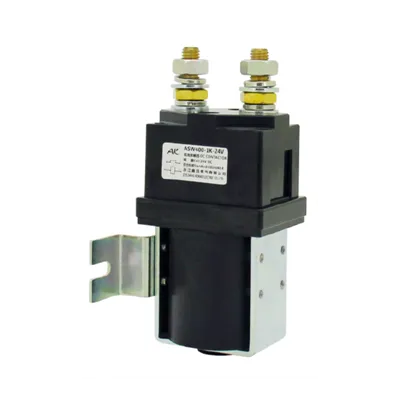
If you’re in the market for DC contactors for your DC – powered electric tools, we’re here to help. We have a wide range of contactors that can meet different requirements. Whether you need a contactor for a small handheld tool or a large industrial – grade machine, we’ve got you covered. Get in touch with us to discuss your specific needs and let’s find the perfect DC contactor for your electric tools.
High Voltage DC Contactor AJH Series References:
- Electrical Engineering textbooks on DC circuits and contactor applications
- Manufacturer’s datasheets for DC contactors and electric tools
Zhejiang Aokai Electric Co., Ltd.
Zhejiang Aokai Electric Co., Ltd. is your best source for the high quality dc contactor application with CE certification. We have been one of the largest dc contactor application manufacturers and suppliers in China since our establishment in 2008. Welcome to contact our factory for the products.
Address: No.166 Xiangbai Road, Huxi Industrial, Yueqing, China.
E-mail: akcontactor@aokai.com
WebSite: https://www.ak-contactor.com/
