Preventing over – firing in a large section multi – lane tunnel kiln is a critical concern for both kiln operators and manufacturers. As a supplier of large section multi – lane tunnel kilns, I have witnessed firsthand the challenges and the importance of addressing over – firing issues. This blog will delve into the causes of over – firing, preventive measures, and the benefits of avoiding this problem. Large Section Multi Lane Tunnel Kiln
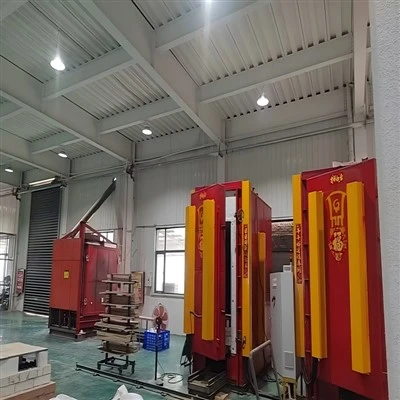
Understanding the Causes of Over – firing in Large Section Multi – Lane Tunnel Kilns
Over – firing in a large section multi – lane tunnel kiln occurs when the temperature inside the kiln exceeds the desired range for the products being fired. This can lead to a variety of issues, including product deformation, reduced product quality, and increased energy consumption.
One of the primary causes of over – firing is inaccurate temperature control. In large section multi – lane tunnel kilns, there are multiple zones with different temperature requirements. If the temperature sensors are not calibrated correctly or if there are malfunctions in the temperature control system, it can result in uneven heating and over – firing in certain areas.
Another cause is improper air circulation. Good air circulation is essential for maintaining a uniform temperature throughout the kiln. In a large section multi – lane setting, air can sometimes become trapped, creating hot spots that lead to over – firing. This can be exacerbated by blockages in the air ducts or improper positioning of the burner nozzles.
Fuel management is also a significant factor. If too much fuel is supplied to the burners, it will generate more heat than necessary, causing over – firing. Inconsistent fuel quality can also lead to uneven combustion and temperature fluctuations.
Preventive Measures
Accurate Temperature Monitoring and Control
- Calibrate Temperature Sensors Regularly: Temperature sensors are the eyes of the kiln control system. Regular calibration ensures that the temperature readings are accurate. This should be done at least once a month, or more frequently if the kiln is operating under harsh conditions.
- Install Redundant Temperature Sensors: Having multiple sensors in each zone can provide a more accurate picture of the temperature distribution. If one sensor fails, the others can still provide reliable data, preventing over – firing due to false temperature readings.
- Use Advanced Control Systems: Modern kiln control systems use algorithms to adjust the temperature based on real – time data. These systems can predict temperature changes and make adjustments before over – firing occurs. For example, they can adjust the fuel supply and air flow rate to maintain a stable temperature.
Optimize Air Circulation
- Inspect and Clean Air Ducts: Regular inspection of the air ducts is necessary to ensure that there are no blockages. Dust, debris, and kiln products can accumulate in the ducts over time, restricting air flow. Cleaning the ducts at least quarterly can prevent the formation of hot spots.
- Proper Burner Nozzle Positioning: The position of the burner nozzles affects the air flow and combustion pattern. They should be installed and adjusted according to the kiln’s design specifications. Incorrect positioning can lead to uneven heating and over – firing.
- Install Air Circulation Fans: Additional fans can be installed in the kiln to improve air circulation. These fans help to distribute the hot air more evenly, reducing the risk of hot spots.
Fuel Management
- Monitor Fuel Quality: Regularly test the fuel for its calorific value, moisture content, and other properties. Inconsistent fuel quality can cause uneven combustion and temperature fluctuations. Working with reliable fuel suppliers is also crucial.
- Control Fuel Supply: Use a precise fuel metering system to ensure that the correct amount of fuel is supplied to the burners. This system can adjust the fuel flow based on the temperature requirements of each zone.
- Use Energy – Efficient Burners: Energy – efficient burners can provide better control over the combustion process. They can adjust the flame intensity and shape to match the kiln’s needs, reducing the likelihood of over – firing.
Product Placement and Loading
- Proper Product Spacing: Ensure that there is enough space between the products during loading. This allows for better air circulation around the products, preventing hot spots from forming.
- Uniform Loading: Load the kiln evenly across all lanes and zones. Uneven loading can cause differences in heat transfer, leading to over – firing in some areas.
Benefits of Preventing Over – firing
Preventing over – firing in a large section multi – lane tunnel kiln offers several benefits.
Improved Product Quality
When products are fired within the correct temperature range, they have better physical and chemical properties. There is less deformation, and the color and texture are more consistent. This leads to higher – quality products that meet or exceed customer requirements.
Energy Savings
Over – firing requires more energy as the kiln has to maintain a higher temperature than necessary. By preventing over – firing, the energy consumption of the kiln can be significantly reduced. This not only lowers the operating costs but also makes the production process more environmentally friendly.
Extended Kiln Lifespan
Operating the kiln at excessive temperatures can cause damage to the kiln lining, burners, and other components. By preventing over – firing, the wear and tear on these parts are reduced, extending the lifespan of the kiln and reducing the need for frequent repairs and replacements.
Conclusion
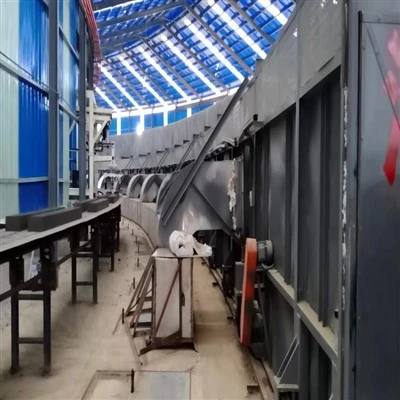
Preventing over – firing in a large section multi – lane tunnel kiln is a multi – faceted process that requires attention to temperature control, air circulation, fuel management, and product placement. As a supplier of these kilns, I understand the importance of providing our customers with the knowledge and tools to prevent over – firing.
Mobile Tunnel Kiln If you are in the market for a large section multi – lane tunnel kiln or need assistance with preventing over – firing in your existing kiln, I encourage you to reach out. We have a team of experts who can provide tailored solutions and support to meet your specific needs. Contact us to start a discussion about your requirements and how we can help you optimize your kiln operation.
References
- Saunders, J. (2018). Tunnel Kiln Technology: Design, Operation, and Maintenance. London: Elsevier.
- Thompson, R. (2020). Advanced Temperature Control in Industrial Kilns. New York: Wiley.
- Green, M. (2019). Fuel Management for High – Efficiency Kilns. Sydney: Harper & Row.
Henan Yaxin Kiln Co., Ltd.
Henan Yaxin Kiln Co., Ltd. is one of the most professional large section multi lane tunnel kiln manufacturers and suppliers in China. With abundant experience, we warmly welcome you to buy high quality large section multi lane tunnel kiln with the latest design from our factory. Good service and punctual delivery are available.
Address: Jixian Industrial Zone, Shangqiu City, Henan Province
E-mail: 1543563178@qq.com
WebSite: https://www.hnyxkiln.com/
