Glass test tubes are a staple in laboratories across the globe, from educational institutions to high – tech research facilities. As a supplier of glass test tubes, I have witnessed firsthand the wide – ranging applications and remarkable advantages that these simple yet indispensable tools offer. Glass Test Tube

Clarity and Visual Observation
One of the most significant advantages of using glass test tubes is their unparalleled clarity. Glass is a transparent material, which allows researchers and technicians to easily observe the contents inside the test tube. Whether it’s a chemical reaction, a change in color, or the formation of a precipitate, the clear view provides immediate and accurate information.
In biological experiments, for example, observing the growth of microorganisms in a culture medium is crucial. The transparency of glass test tubes enables scientists to monitor cell growth, detect any signs of contamination, and determine the optimal time for harvesting cells. In chemistry, when conducting titrations, the ability to clearly see the color change at the endpoint is essential for accurate results. The distinct visibility provided by glass test tubes makes it easier to make precise observations and record data, reducing the margin of error in experiments.
Chemical Resistance
Another key advantage of glass test tubes is their high chemical resistance. Glass is inert to many chemicals, including acids, bases, and organic solvents. This means that it can hold a wide variety of substances without reacting with them, ensuring the integrity of the sample and the reliability of the experiment.
For instance, in acid – base titrations, strong acids and bases are often used. Glass test tubes can withstand the corrosive nature of these chemicals, preventing any dissolution or contamination of the tube material into the sample. In organic chemistry, where reactions often involve volatile solvents, glass provides a stable container that does not react with the solvents, maintaining the purity of the reaction mixture. This chemical resistance also makes glass test tubes reusable. After a simple cleaning process, they can be used again for different experiments, reducing costs and waste.
Heat Resistance
Glass test tubes have excellent heat resistance properties. They can withstand high temperatures without deforming or melting, making them suitable for a variety of heating applications. In laboratories, heating test tube contents is a common procedure, such as in distillation, evaporation, or when conducting reactions that require elevated temperatures.
Borosilicate glass, a type of glass commonly used in test tube manufacturing, has a low coefficient of thermal expansion. This means that it can endure rapid heating and cooling without cracking. For example, in a flame test, where a sample is heated over a Bunsen burner to identify the presence of certain elements, the glass test tube can withstand the intense heat without shattering. This heat – resistant characteristic also allows for the sterilization of glass test tubes using methods like dry – heat sterilization or autoclaving, ensuring that they are free from microorganisms and ready for use in sterile experiments.
Versatility in Shape and Size
Glass test tubes come in a wide range of shapes and sizes, which makes them extremely versatile. From small, thin – walled tubes used for micro – scale experiments to large, heavy – walled tubes for bulk reactions, there is a glass test tube suitable for every need.
The shape of test tubes can also vary. Some have a round bottom, which is ideal for heating liquids as it allows for uniform heat distribution. Others have a flat bottom, which provides stability when placed on a surface. Test tubes can also be graduated, which is useful for measuring the volume of the liquid they contain. This versatility enables scientists and technicians to choose the most appropriate test tube for their specific experiment, enhancing the efficiency and accuracy of the work.
Compatibility with Analytical Techniques
Glass test tubes are compatible with a variety of analytical techniques. They can be used in spectrophotometry, where the absorbance of light by a sample is measured to determine its concentration. The transparency of glass allows light to pass through the sample, enabling accurate measurements. In addition, glass test tubes can be used in centrifugation, a process that separates components of a mixture based on their density. The high – strength glass can withstand the forces generated during centrifugation without breaking.
Environmental Friendliness
In today’s world, environmental concerns are of utmost importance. Glass test tubes are an environmentally friendly option compared to some other materials. Glass is a recyclable material, and when test tubes reach the end of their useful life, they can be recycled into new glass products. This reduces the amount of waste sent to landfills and conserves natural resources.
Moreover, the reusability of glass test tubes also contributes to their environmental friendliness. By simply cleaning and sterilizing them, they can be used multiple times, reducing the need for constant production of new test tubes. This not only saves resources but also reduces the energy consumption associated with manufacturing.
Cost – Effectiveness
When considering the long – term costs, glass test tubes are a cost – effective choice. Although the initial purchase price of glass test tubes may be slightly higher than some plastic alternatives, their reusability and durability offset this cost. Since glass test tubes can be used multiple times, the overall cost per use is significantly lower.
In addition, the high quality and reliability of glass test tubes mean that there are fewer chances of experimental errors due to tube failure or chemical reactions with the container. This reduces the need for repeating experiments, which can save both time and money in the long run.
Aesthetics and Professionalism
In a laboratory setting, the appearance of the equipment can also matter. Glass test tubes have an aesthetic appeal that adds a touch of professionalism to the laboratory. Their clean, transparent look makes the laboratory environment appear more organized and scientific. This can also have a positive impact on the perception of the research or educational institution, especially when conducting demonstrations or tours.
As a supplier of glass test tubes, I am well – aware of the high demand for these products in the market. Our glass test tubes are manufactured using the highest quality materials and strict quality control measures to ensure that they meet the diverse needs of our customers.
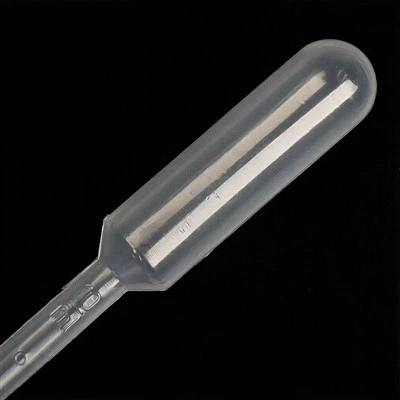
If you are looking for high – quality glass test tubes for your laboratory needs, I encourage you to reach out. We are more than happy to discuss your specific requirements, provide samples if needed, and offer competitive pricing. Contact us to start a conversation about how our glass test tubes can enhance the efficiency and accuracy of your experiments. Let’s work together to support your scientific endeavors!
Pasteur Pipette References
- "Laboratory Glassware: Properties and Applications" by a well – known scientific publication.
- Research articles on the chemical and physical properties of glass in leading scientific journals.
Taizhou Yukang Medical Devices Co., Ltd.
As one of the leading glass test tube manufacturers and suppliers in China, we warmly welcome you to buy customized glass test tube at competitive price from our factory. If you have any enquiry about quotation, please feel free to email us.
Address: Heheng Village, Shengao Town, Jiangyan District, Taizhou City
E-mail: taizhouyukang@163.com
WebSite: https://www.tzykylqx.com/
