Alright, let’s cut to the chase—if you’ve ever spent hours sorting edge pieces, staring at a sky-blue section that’s basically puzzle purgatory, and then realized your half-finished masterpiece is stuck in a drawer with a coffee mug ring (or worse, the cat peed on it… don’t ask), you know storing jigsaw puzzles isn’t just a “toss it in a box” task. As a puzzle supplier, I see this mess every single week from customers—both people puzzling at home and small shops stocking kits—so I’ve tested every hack (the good, the weird, and the “why did I even try this?”). Let’s break down the best ways to keep your puzzles intact, no matter if you’re mid-jig or wrapping a finished one. Puzzle
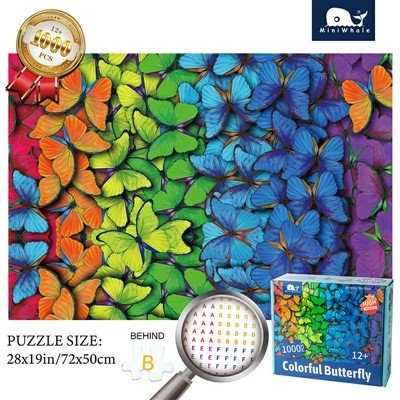
First, let’s separate unfinished vs. finished puzzles because they’re basically two different species. Unfinished ones are fragile as hell—they’re loose pieces, no holding power, so if you don’t store them right mid-project, you’ll lose a tiny forest animal piece (guilty of that with a 500-piece unicorn puzzle once) or bend edges so bad they’ll never lock right. The big mistake I see customers make here? Leaving them on a flimsy kitchen table overnight. Chairs get moved, toddlers yank a piece, the AC blows dust on the edges—total disaster.
For mid-project puzzles, the best hack I swear by (and so do my regulars who’ve emailed me about it) is a puzzle roll-up mat. Wait, not those cheap ones from the dollar store that tear after two uses—get the thick, felt-lined kind with Velcro straps and a border to keep pieces from sliding off. Here’s the pro tip: when you’re taking a break, pick up all the pieces you’ve already connected first (edges, big chunks like a mountain or a dog) so they don’t get shoved loose under unconnected bits. Roll it tight, but not so hard that the puzzle bends—think of rolling a sleeping bag, a little loose is better than cramming. And for the loose single pieces? Don’t just dump them back in the box! Grab a small plastic container (like a takeout salad container, washed out) and sort them by color or shape (but not too specific—no one has time for “all tiny red flower pieces”). Toss those in the container and seal the lid so they don’t get lost. I once had a customer tell me she used a makeup brush holder for tiny pieces when her kid stole the container—works in a pinch, but the container’s better.
Wait, what if you don’t wanna drop $20 on a puzzle roll? No judgment—we’re all on budgets. A flat cutting board (the wooden kind, not the plastic with grooves) works, but you need to cover it. If you have a large piece of felt or even a thick beach towel, lay that down, build your puzzle on top, and when you break for the night, gently slide the whole thing onto the towel, roll the towel tight, and tuck a rubber band around the ends. Don’t try to lift the puzzle by itself—you’ll split edges. That’s the cheap alternative I recommended to a grandma who was puzzling with her grandkids, and she sent me a photo of her “make DIY roll” that looked way cooler than the fancy ones. Just avoid using newspaper—ink transfers. Trust me, that’s a mistake I made early on with a vintage puzzle.
Now, finished puzzles—these are the ones you spent hours gluing (or not gluing) and wanna display, or wrap up to give as a gift, or even take apart and reuse later. The worst thing here is leaving a finished puzzle face-down on a table: dust sticks, the edges bend, and if you lean on it, it cracks. If you’re displaying it, I don’t care if you use a spray adhesive (the puzzle-specific kind, not regular craft glue—regular glue makes it yellow) or a frame with a tight backing, but hang it if you can. I’ve seen too many people lean finished puzzles against a wall and wake up to a collapsed mess. But if you’re not displaying it, storing it flat is non-negotiable. How? Find a sturdy cardboard box (the size of your puzzle, not too big—empty space = sliding) and line the bottom with a piece of wax paper or parchment paper so it doesn’t stick to the box. Gently lay the puzzle facedown, put another sheet of wax paper on top, and stack a light book on top—no heavy textbooks! That’ll keep the edges from curling, but won’t crush the actual puzzle. Pro move here: label the box with the puzzle name and piece count, so when you wanna take it apart later, you don’t grab the wrong one.
Wait, what about the big, 1000+ piece puzzles? Those are a whole different beast. I once had a customer order a 2000-piece sunset puzzle and send me an email panicking because she couldn’t fit it on her table. For mid-project, the roll mat is non-negotiable—anything else won’t hold 2000 pieces without sliding. And for finished giant puzzles? If you don’t have space to display, don’t glue it! Take a photo first, then take it apart, sort the pieces into labeled bags (like “Sky Pieces,” “Building Pieces”) with a permanent marker on the bag—way easier to put back together later than a random box of 2000 loose pieces.
Now, the storage space you pick matters too, and I see people mess this up all the time. Don’t store puzzles in the attic (too hot, humidity warps cardboard) or the basement (mold, mice—gross). A closet shelf at eye level is perfect, or a bookshelf in a cool, dry room. If you live somewhere super humid (hello, Florida or Pacific Northwest), toss a silica gel packet (the ones that come with new shoes) in the box—absorbs moisture so your puzzle doesn’t get fuzzy or sticky. And definitely don’t store puzzles in the garage—my neighbor’s dog once dragged a half-finished puzzle out to the yard and it rained on it. End of that puzzle.
Wait, let’s talk about the stuff you shouldn’t do, because I’ve seen every bad hack. No masking tape to hold mid-project puzzles—tape leaves sticky residue, and when you peel it, it takes pieces of the cardboard with it. No leaving puzzles out in direct sunlight—fades the art (I had a Van Gogh puzzle that turned yellow after a week by a window… total bummer). No stuffing loose pieces back into the original box if it’s too beat up—those cheap cardboard boxes bend and you’ll lose pieces. If the original box is ruined, buy a new puzzle storage box (they’re not expensive, we sell them as an add-on) or use a sturdy plastic bin with a tight lid.
As a puzzle supplier, I get that puzzling isn’t just a hobby—it’s a way to unwind, spend time with family, or even decompress after work. So storing your puzzles right means you don’t have to start over because you lost a piece or the puzzle got ruined. If you’re stocking puzzles for a shop, or just need bulk storage solutions for your personal collection, hit me up—we’ve got roll mats, storage bins, and even extra puzzle boxes to keep everything intact. No weird hoops to jump through, just straight-up help because I know how frustrating it is to lose a piece you’ve been hunting for days.
Wait, one last quick tip for anyone who stores loose pieces in a drawer: separate them by color sort of—like group all the blues together, all the browns, not every tiny flower or leaf. It’ll make sorting way faster when you wanna start a new puzzle. I once watched a customer sort her 500-piece puzzle for an hour because she was being too specific, and she texted me complaining she didn’t even get to build it. Don’t be that person.
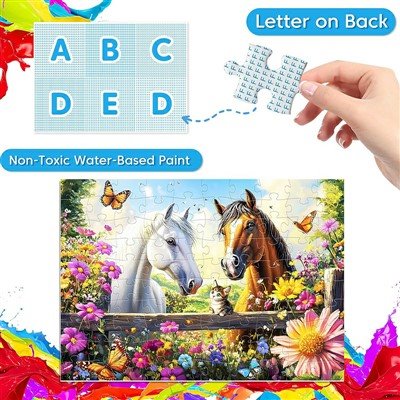
At the end of the day, the best way to store jigsaw puzzles depends on if you’re in the middle of building ’em or finished, but the core rules are: keep ’em away from heat/humidity, don’t use flimsy storage, and never leave loose pieces unlabeled or untracked. If you need help picking the right storage for your specific puzzle size, or want to stock up on supplies for your shop, just reach out—we’re here to help.
Puzzle References:
- Jigsaw Puzzle Storage Guide, Puzzle Industry Association, 2022
- Household Storage Hacks for Hobbies, Home Organization Magazine, Vol. 18, No. 3, 2023
- Material Science of Cardboard Puzzles, Packaging Research Journal, Issue 45, 2021
NINGBO LOTO PACKAGE MANUFACTORY CO.,LTD
Ningbo Sentu Art and Crafts Co., Ltd. is one of the most professional puzzle manufacturers and suppliers in China. With abundant experience, we warmly welcome you to buy high quality puzzle made in China here from our factory. If you have any enquiry about cooperation, please feel free to email us.
Address: 3rd Floor, Momi Community, New Jinfeng, No. 68, Chunchao Road, Yinzhou District, Ningbo City, Zhejiang Province, Ningbo, Zhejiang, China
E-mail: sales@nbprinting.com
WebSite: https://www.lotopuzzle.net/
