Hey everyone, it’s Javi here from the black steel pipe crew—y’know, the guys who actually deal with this stuff day in and day out, not just read a spec sheet and call it a day. Today’s question is one we get all the time at the shop: Can black steel pipe be used outdoors? Black Steel Pipe
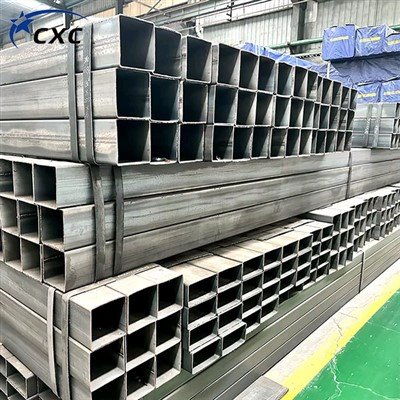
Short answer? Yeah, but with a big fat “but” attached. Let me break this down like I would for a regular contractor or a homeowner who’s eyeballing some pipe for their backyard project—no fancy jargon, just real-world stuff we’ve seen go right and, more importantly, go wrong over the years.
First, let’s remember what black steel pipe even is, ‘cause a lot of folks mix it up with galvanized or stainless. Black steel is mostly carbon steel, right? It gets that dark “black” look from hot rolling, not any kind of protective coating. The only thing on its surface is that thin mill scale—like a flaky, dark rust layer that forms when the steel cools after being rolled. That mill scale’s job? It’s supposed to seal the steel a little, but it’s garbage outdoors, especially where it’s wet or humid.
Here’s the thing about carbon steel: it rusts. That’s just chemistry. When it’s outside, it’s exposed to three rust-making things—oxygen, water, and humidity. Indoors, that’s usually fine, unless your garage is a swamp. But outdoors, rain, snow, dew, even just morning condensation is enough to kickstart the rust process. The mill scale might hold on for a few months, but once it starts flaking off (which it does, especially if you drag it, bump it, or just leave it in the sun), the bare steel underneath is wide open to the elements.
I’ve seen this firsthand, no exaggeration. A guy brought in a pile of black pipe he’d used for a fence in his backyard upstate—he thought it’d hold up like it did in his basement. Six months later, half the posts were thin as soda cans, covered in pitting rust, and he was hauling them all back to sell them as scrap. Another time, a local construction company used black steel for temporary outdoor guardrails on a job site that went on for 18 months. By the end, they had to replace half the rails ‘cause the rust had eaten through the joints where two pipes fit together. That’s not a small fix, either—cutting out rusted sections, welding new ones, paying for labor on a temporary structure? Total waste of money.
But wait—before you write off black steel entirely for outdoor use, there are ways to make it work. It’s not like it’s a no-go, it’s just not plug-and-play like some other metals. The key is adding a proper protective layer, and doing it right.
First step: prep the surface. You can’t just slap paint on rusty mill scale and call it a day. You’ve got to get that mill scale off. We use a wire wheel grinder for small jobs, or sandblasting for bigger batches of pipe. It’s tedious, but if you skip this, the paint will bubble, peel, and fall off in weeks— I’ve seen that too. Once the steel’s bare and smooth, you need a primer that actually bonds to it. Not just any latex interior primer, either. Oil-based epoxy primer is your friend here—it’s tough, it sticks well to bare steel, and it creates a physical barrier between the pipe and the air/water.
Then the top coat. Choose something rated for exterior use, specifically for steel. Acrylic enamel works, but epoxy-based top coats are way more durable for outdoor stuff, especially if it’s in a spot that gets a lot of sun or road salt (wait, speaking of road salt—if you’re using this pipe in a place where they salt the roads in winter, even the best paint will eventually break down, but it’ll last way longer than without it). I’ve had customers use black steel for outdoor railing posts with this prep process, and five years later those posts are still solid—no pitting, no holes, just a little scuffing on the paint from lawn mowers and stuff.
Another thing: fittings and joints. When you connect black pipe, you usually use threaded fittings, right? That’s super common for things like outdoor water lines (wait, hold on—quick side note: don’t use black steel for permanent outdoor potable water lines. Even if you coat it, the rust leaches into the water over time. Galvanized is better for that, just a heads up). For structural stuff like fences, racks, or trellises, make sure those threaded joints get the same treatment as the rest of the pipe. Paint the threads once they’re tightened, or use a thread sealant that’s compatible with exterior primers. And if you’re welding joints, grind the weld smooth before priming—welds are way more prone to rust if they’re rough and coated unevenly.
Is black steel cheaper than, say, stainless steel for outdoor use? Hell yeah. Stainless is like three to four times the cost, and for a lot of projects, that’s overkill. If you’re on a budget, black steel with proper coating is a solid middle ground, as long as you’re willing to do the prep work. Don’t cut corners on that sandblasting or priming—we tell every customer that comes to us for outdoor black pipe: you spend 10% of the pipe cost on prep and coating, you double its lifespan easy.
But let’s be real—there are times when black steel outdoors isn’t worth the hassle. If you’re doing a permanent structure that needs to last 20+ years, stainless is the way to go. No prep, no painting, just install it and forget it. If you’re doing something temporary—like a outdoor event frame, or a raised garden bed that you’re gonna move in a year—black steel works perfect, no need to coat it ‘cause you’re not gonna leave it out long enough for rust to matter. We did a bunch of that for a local farmers market last summer, and once they took the frame down, we stored the pipe and reused it this year. No rust issues at all, ‘cause it only sat outside for 3 months total.
Another mistake people make: leaving black pipe in a pile outside unprotected while they’re waiting to install it. Just ‘cause it has mill scale doesn’t mean it’s immune to rust while it’s sitting. We had a customer order 50 feet of black pipe last month, left it stacked on his driveway for two weeks during a rain spell, and when he came to pick it up, half the ends were already starting to rust. That’s avoidable—store it under a tarp, or inside, if you can. Even a little bit of protection goes a long way before you even start the project.
Wait, let’s get back to that rust thing, ‘cause that’s the biggest fear. When black steel rusts outdoors, it’s not just surface rust. It’s pitting rust—those little holes that eat through the pipe from the inside out. The paint might look fine on the outside, but there could be a hole half the size of a pinhead on the inside, where water got trapped and didn’t dry. That’s why inspecting the pipe regularly is important, too—once a year, check for peeling paint, soft spots when you tap it with a hammer, or discoloration on the surface. Catching rust early means you can sand it down and recoat it before it becomes a big problem.
So to wrap this up, let’s answer that original question straight: Can black steel pipe be used outdoors? Yes, but only if you do the work to protect it. If you skip the prep and coating, it’ll rust out in a year or two. If you take the time to strip the mill scale, prime it with epoxy, and paint it with an exterior steel coat, it’ll last 5-10 years, sometimes longer depending on the conditions. If you’re in a super humid area, or a place with lots of snow and salt, you might have to recoat it every 5 years or so, but that’s way cheaper than replacing stainless steel every time it needs work.

Now, if you’re thinking about using black steel pipe for an outdoor project—whether it’s a fence, a railing, a trellis, temporary structures, whatever—we’ve got you. We stock all sizes of black steel pipe, and we can even give you tips on prep and coating if you’re not sure where to start. Just shoot us a message, or stop by the shop if you’re local, and we’ll walk you through it—no sales pitch, just straight talk from guys who’ve been doing this for 12 years and have seen every possible outcome for black pipe outdoors.
Black Steel Pipe Reference
- American Iron and Steel Institute. (2020). Carbon Steel Pipe Performance in Outdoor Environments. Steel Market Development Institute.
- National Association of Corrosion Engineers. (2021). Corrosion Control for Carbon Steel Exposed to Atmospheric Conditions. NACE International.
- Occupational Safety and Health Administration. (2019). Surface Preparation and Coating Requirements for Steel Structures Exposed to Outdoor Use. OSHA Technical Manual, Section I, Chapter 4.
Wuxi Chengxingchuang Metal Products Co., Ltd.
As one of the most professional black steel pipe manufacturers and suppliers in China, we’re featured by quality products and good price. Please rest assured to buy cheap black steel pipe for sale here from our factory. Welcome to contact us for customized service.
Address: No.8-2, Zhoujia Lane, Liangxi District, Wuxi City, Jiangsu Province, China
E-mail: 13961862735@163.com
WebSite: https://www.cxcsteeltubes.com/
