The current – carrying capacity of industrial plugs and sockets is a crucial aspect that significantly impacts their performance and safety in various industrial applications. As a supplier of industrial plugs and sockets, I have witnessed firsthand the vital role this parameter plays in ensuring the reliable operation of electrical systems. Industrial Plug and Socket
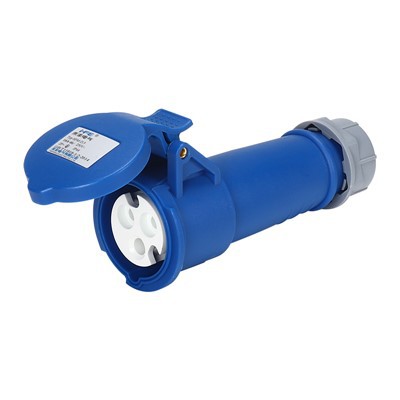
Understanding Current – Carrying Capacity
The current – carrying capacity, also known as ampacity, refers to the maximum amount of electric current that a conductor, such as the pins and contacts in an industrial plug and socket, can carry continuously under specified conditions without exceeding its temperature rating. This capacity is determined by several factors, including the material of the conductors, their cross – sectional area, the ambient temperature, and the type of insulation.
Conductor Material
Copper is the most commonly used material for the conductors in industrial plugs and sockets due to its excellent electrical conductivity. It allows for efficient flow of electric current with minimal resistance. Compared to other metals, copper generates less heat when current passes through it, which is essential for maintaining a stable operating temperature. Aluminum is another option, but it has lower conductivity than copper. However, it is lighter and less expensive, making it suitable for some applications where weight and cost are significant considerations.
Cross – Sectional Area
The cross – sectional area of the conductors directly affects their current – carrying capacity. A larger cross – sectional area provides more space for the flow of electrons, reducing resistance and allowing for a higher current to be carried. For example, a plug with thicker pins can handle more current than one with thinner pins. In industrial settings, where high – power equipment is often used, plugs and sockets with larger cross – sectional areas are typically required to meet the electrical demands.
Ambient Temperature
The ambient temperature has a significant impact on the current – carrying capacity of industrial plugs and sockets. As the temperature of the surrounding environment increases, the ability of the conductors to dissipate heat decreases. This means that the same plug and socket may have a lower current – carrying capacity in a hot environment compared to a cooler one. Manufacturers usually provide derating factors to account for the effects of high ambient temperatures. For instance, if the ambient temperature exceeds the standard rating, the current – carrying capacity of the plug and socket may need to be reduced to prevent overheating.
Insulation Type
The insulation used in industrial plugs and sockets also affects the current – carrying capacity. High – quality insulation materials can withstand higher temperatures and provide better electrical isolation, allowing the conductors to carry more current safely. Insulation materials are rated based on their temperature resistance, and choosing the right insulation for a specific application is crucial. For example, in applications where the plug and socket are exposed to high temperatures or harsh chemicals, special insulation materials with high heat and chemical resistance should be used.
Importance of Current – Carrying Capacity in Industrial Applications
In industrial settings, electrical equipment often requires a substantial amount of power to operate efficiently. Industrial plugs and sockets serve as the interface between the electrical supply and the equipment, and their current – carrying capacity must be carefully matched to the electrical load of the equipment.
Equipment Performance
If the current – carrying capacity of the plug and socket is insufficient for the equipment’s power requirements, the conductors may overheat. This can lead to a reduction in the efficiency of the equipment, as more energy is lost as heat. Overheating can also cause damage to the insulation of the conductors, increasing the risk of electrical shorts and failures. In some cases, it may even lead to the complete shutdown of the equipment, resulting in costly downtime for the industrial operation.
Safety
Safety is of utmost importance in industrial electrical systems. An overloaded plug and socket pose a significant fire hazard. When the conductors are carrying more current than they can handle, the excessive heat generated can ignite the insulation or surrounding materials. This can lead to serious fires that endanger the lives of workers and cause extensive damage to the industrial facility and equipment. By ensuring that the current – carrying capacity of the plug and socket is appropriate for the load, the risk of electrical fires and other safety incidents can be significantly reduced.
Determining the Appropriate Current – Carrying Capacity
As a supplier of industrial plugs and sockets, I understand the importance of helping customers choose the right products with the appropriate current – carrying capacity. Here are some steps and considerations for determining the right capacity:
Assess the Electrical Load
The first step is to accurately assess the electrical load of the equipment that will be connected to the plug and socket. This involves determining the power rating of the equipment, which is usually specified in watts or kilowatts. The current can then be calculated using the formula ( I=\frac{P}{V} ), where ( I ) is the current in amperes, ( P ) is the power in watts, and ( V ) is the voltage. It is important to consider any inrush currents that may occur when the equipment is started, as these can be significantly higher than the normal operating current.
Consider the Application Environment
The application environment also plays a role in determining the appropriate current – carrying capacity. If the plug and socket will be installed in a high – temperature area, such as near a furnace or in a hot industrial process, the derating factors should be applied to ensure that the conductors can operate safely. Additionally, if the environment is dusty, wet, or exposed to chemicals, special plugs and sockets with appropriate protection ratings should be selected.
Follow Standards and Regulations
There are various national and international standards and regulations governing the current – carrying capacity of industrial plugs and sockets. These standards ensure the safety and compatibility of the products. For example, in the United States, the National Electrical Code (NEC) provides guidelines on the selection and installation of electrical equipment, including plugs and sockets. It is essential to comply with these standards and regulations to avoid potential legal issues and ensure the safety of the electrical system.
Our Role as a Supplier
As a supplier of industrial plugs and sockets, we are committed to providing high – quality products with accurate current – carrying capacity ratings. We work closely with our customers to understand their specific needs and applications. Our team of experts can assist in the selection of the right plugs and sockets based on the electrical load, application environment, and relevant standards.
We source our products from reputable manufacturers who use high – quality materials and advanced manufacturing processes. Before delivering our products to customers, we conduct rigorous quality control tests to ensure that they meet or exceed the specified current – carrying capacity and other performance requirements.
In addition to providing high – quality products, we also offer technical support and after – sales service. Our technical team is available to answer any questions our customers may have regarding the installation, operation, and maintenance of our industrial plugs and sockets. We believe that providing excellent customer service is essential for building long – term relationships with our customers.
Contact Us for Purchase and Negotiation
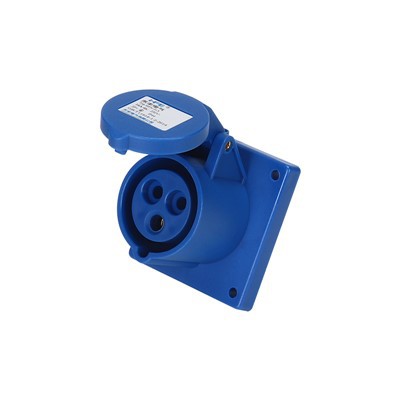
If you are in the market for industrial plugs and sockets, we encourage you to contact us for purchase and negotiation. We understand that every industrial application is unique, and we are dedicated to providing customized solutions that meet your specific requirements. Whether you need plugs and sockets for a small – scale industrial operation or a large – scale manufacturing plant, we have the expertise and products to meet your needs.
Industrial Plug and Socket Do not hesitate to reach out to us to discuss your project. Our team is ready to work with you to ensure that you get the right industrial plugs and sockets at a competitive price. We look forward to serving you and contributing to the success of your industrial electrical systems.
References
- National Electrical Code (NEC), various editions.
- Standards published by the International Electrotechnical Commission (IEC) related to industrial plugs and sockets.
- Electrical Engineering textbooks covering topics on electrical conductors and ampacity.
Zhejiang Hefeng Electric Co., Ltd.
Zhejiang Hefeng Electric Co., Ltd. is one of the most professional industrial plug and socket manufacturers and suppliers in China, featured by quality products and low price. Please rest assured to buy durable industrial plug and socket made in China here from our factory. Also, OEM service is available.
Address: Wenzhou Daqiao Industrail Park, Beibaixiang Town, Yueqing City, Zhejiang Province, China
E-mail: hefengplug@chinahfe.com
WebSite: https://www.hfcee.com/
