If you’ve ever stood in a workshop at 6 a.m., wiping grease off your hands after troubleshooting a half-dozen engine issues, you know that even the smallest, most overlooked parts can derail an entire operation. As someone who’s spent the last 12 years designing, testing, and shipping oil pump seals—parts that fit in a space smaller than a quarter— I’ve seen first-hand how a single leak in one of these tiny components can spiral into big, costly problems for vehicle fleets, delivery companies, and independent repair shops alike. Today, I want to break down the real, science-backed impact of a leaking oil pump seal on fuel efficiency, plus why cutting corners on seal quality doesn’t just risk leaks—it risks the bottom line, one gallon at a time. Oil Pump Seal
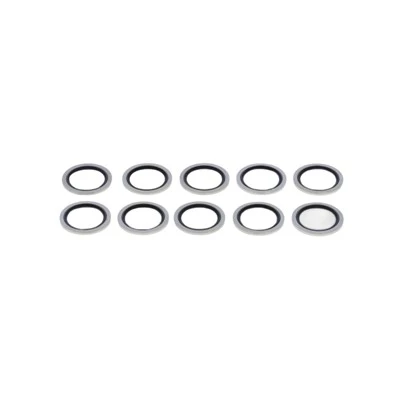
First, let’s get on the same page about what an oil pump seal does, because this is not a part you should gloss over. The oil pump is the heart of an engine’s lubrication system: it pressurizes engine oil, sends it to every moving part (crankshaft, camshaft, bearings, pistons) to reduce friction, and circulates oil through the filter to trap debris. The oil pump seal is the rubber or composite ring that fits between the pump’s rotating shaft and the engine block, acting like a tight, flexible barrier to keep oil inside the pump and its housing, while letting the shaft spin freely without leaking. When that seal is new and properly installed, it creates a near-perfect seal, with almost no oil loss and no air getting into the system. When it leaks, that seal fails—usually due to wear, improper installation, extreme temperatures, or exposure to corrosive debris—and that’s where the problems start, especially for fuel efficiency.
Let’s start with the most immediate impact: oil loss. It might sound trivial to say “a few drops” or even a pint of oil a day, but over the course of a month, a leaking oil pump seal can lose 2 to 3 quarts of oil. Engine oil isn’t just a lubricant—it’s a coolant, a cleaner, and a hydraulic fluid all in one. When your oil level drops below the minimum mark on the dipstick, the engine can’t maintain the proper pressure and flow of oil. Less oil means more friction between moving metal parts, and friction directly translates to higher fuel use. Think of it like pushing a shopping cart with one wheel locked up: that extra effort doesn’t just wear out the wheel faster—it makes you use more energy to move the same distance. For a heavy-duty delivery truck that drives 1,000 miles a week, even a small amount of friction from low oil can add up to 10 to 15 gallons of extra fuel a month. Multiply that by 50 trucks in a fleet, and that’s 500 to 750 gallons of wasted fuel every month—enough to cover a full month’s supply of replacement seals for every truck.
Next, less obvious but just as costly: air contamination in the oil system. A leaking oil pump seal doesn’t just let oil escape—it can let air get in, especially when the engine is idling or operating at low speeds. The oil pump is designed to push liquid oil, not a mix of oil and air. Air in the oil creates what’s called “oil aeration,” which makes the pump work harder to maintain proper pressure. When a pump has to work harder, it draws more power from the engine, and that extra power comes from burning more fuel. A 2021 study from the Society of Automotive Engineers (SAE) International tested small diesel engines common in delivery and light-duty trucks, and found that oil aeration from a leaking oil pump seal increased fuel consumption by up to 7% at highway speeds and up to 12% in stop-and-go city driving. For a delivery van that averages 12,000 miles a year, that’s 100 to 150 gallons of wasted fuel annually, which at current fuel prices adds up to $400 to $600 per van per year. Those numbers add up fast when you’re managing 100+ vehicles.
Wait a second—what if a leak is so small that it’s not visible? I hear that from customers all the time: “I checked my oil level, it’s fine, so the seal must not be leaking.” But that’s where people get tripped up. Many oil pump seal leaks are internal, not external. An internal leak means oil is leaking past the seal into other parts of the engine, not out onto the ground. For example, an internal leak can send oil into the coolant system, creating a sludgy mix that clogs radiator passages, or into the combustion chamber, where it burns off as blue smoke. Either way, that’s oil that’s not doing its job lubricating moving parts, and it’s forcing the engine to work harder to compensate. I had a customer last year who ran a fleet of 20 refrigerated delivery trucks for a grocery chain. They came to us because their fuel costs had jumped 11% in six months, and their technicians couldn’t figure out why—all their oil levels checked out, no visible leaks. It turned out their mechanics had installed cheap, off-brand oil pump seals that failed internally after 3,000 miles, letting oil seep into the intake manifold. That aerated the engine’s oil supply, increased friction, and even caused minor misfires. Once they replaced all the seals with our heavy-duty, heat-resistant designs, their fuel consumption dropped by 9% within three months, and they saved more than $12,000 in fuel costs in the first quarter.
Another often-overlooked factor: seal failure leads to premature engine wear, which also hurts fuel efficiency over time. When parts aren’t properly lubricated, they wear down faster—bearings get scored, piston rings lose their flexibility, cylinder walls develop grooves. A small amount of wear might not be noticeable right away, but over time, worn engine parts don’t fit together as tightly as they should, increasing internal friction. That means the engine has to burn more fuel to produce the same amount of power. A 2019 report from the American Automobile Association (AAA) found that engines with even minor wear from poor lubrication used 4% to 6% more fuel than engines in good condition. So a leaking oil pump seal isn’t just a short-term fuel drain—it’s an investment in future problems, like having to replace an engine 20,000 to 30,000 miles earlier than planned. When you add the cost of engine replacement to wasted fuel, the savings from buying a cheap, low-quality oil pump seal vanish almost immediately.
Let me also talk about why not all oil pump seals are created equal, because this is where our role as seal suppliers comes in. We’ve spent years testing our seals in real-world conditions—extreme cold in northern Canada, sweltering heat in the deserts of Arizona, the constant stop-and-go of urban delivery routes. Our seals are made from composite materials that resist wear, heat, and corrosion, and we test each one for pressure tolerance to make sure it can handle the consistent demand of a working engine. Cheap seals, on the other hand, are often made from low-grade rubber that hardens or cracks after just a few thousand miles, or they have a poorly designed lip that doesn’t create a tight enough seal around the pump shaft. That’s why we always tell customers that investing in a high-quality seal isn’t just a maintenance choice—it’s a fuel efficiency choice.
I want to be clear: I’m not saying a single leaking oil pump seal will turn your entire fleet into a gas guzzler. But when you multiply that small, individual impact across dozens or hundreds of vehicles, it adds up to thousands of dollars in wasted fuel every year. And it’s not just about fuel costs—leaking oil can lead to costly roadside breakdowns, fines for illegal fluid leaks, and even damage to other engine parts that’s way more expensive than the seal itself.

If you’re a fleet manager, a shop owner, or a part buyer responsible for keeping your operations running smoothly, I’m here to help. We design oil pump seals for every type of vehicle, from light-duty passenger vans to heavy-duty semi-trucks, and we can work with you to test how our seals perform in your specific routes and conditions. Whether you’ve noticed a recent jump in fuel costs, or you’re just looking to prevent costly maintenance issues down the line, we can provide technical specs, sample seals, and guidance to make sure you’re getting the most efficient, reliable seals for your needs. To discuss your specific oil pump seal requirements and how we can help improve your fuel efficiency, get in touch with our team for a procurement consultation. We’re ready to partner with you to keep your vehicles on the road and your fuel costs in check.
High Pressure Shaft Seal References
Society of Automotive Engineers (SAE) International. (2021). The Impact of Lubricant Aeration on Diesel Engine Fuel Efficiency. SAE International Journal of Engines.
American Automobile Association (AAA). (2019). Engine Wear and Its Impact on Fuel Economy. AAA Automotive Research Center.
National Institute for Automotive Service Excellence (ASE). (2020). Lubrication System Maintenance and Fuel Efficiency. ASE Technical Bulletin.
Hebei Jinwo Machinery Technology Co., Ltd.
Hebei Jinwo Machinery Technology Co., Ltd. is one of the most professional oil pump seal manufacturers and suppliers in China, featured by quality products and good price. Welcome to buy bulk advanced oil pump seal in stock here and get pricelist from our factory. We also accept customized orders.
Address: Room 2109, Tower A, Meidong International, No.16 Guang’an Avenue, Chang’an District, Shijiazhuang City, Hebei Province, China
E-mail: info@jinwoseal.com
WebSite: https://www.jinwoseal.com/
