If you’ve ever shopped for industrial machinery for your packaging, converting, or flexible film production line, you’ve probably come across two roles that sound almost identical at first glance: a slitter rewinder operator and a slitter rewinder inspector. As someone who’s been selling film slitter rewinders for over 12 years—shoutout to the small midwestern factory I cut my teeth at before branching out—let me break this down straight, no corporate jargon, no fancy white papers, just the real tea on what these two jobs actually do, and why you need both if you wanna keep your film rolls tight, consistent, and market-ready. Film Slitter Rewinder
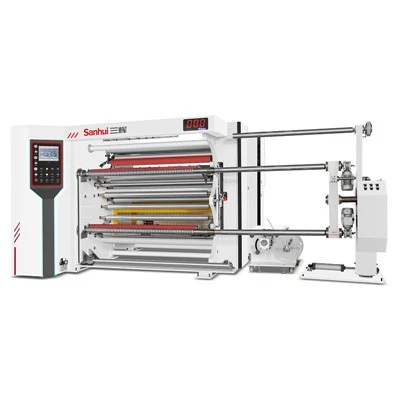
First off, let’s kill the biggest myth: slitter rewinders aren’t just “big paper cutters that roll up stuff.” They’re precision machines, built to slice massive parent film rolls (think 60-inch wide rolls, sometimes heavier than a mini fridge) into narrower, usable rolls for everything from snack packaging to label stock to medical wrap. Run the wrong settings, and you’ll get rolls with uneven cuts, loose edges, or even tiny slits that blow apart when you stack them. That’s where the two roles come in, but let’s start with the person who actually runs the machine every single day: the slitter rewinder operator.
An operator is the hands-on person who lives and breathes the slitter rewinder shift. This isn’t a desk job. They show up 10 minutes early to prep: check the parent roll core alignment, load the giant roll onto the unwind stand, thread the film through the slitter blades (which can get sharp enough to nick a finger if you mess up), adjust the tension rollers so the film doesn’t stretch or sag, and pick the right blade settings for the film they’re handling that day—because if you’re slitting BOPP for snack bags vs. PET for cold drink labels vs. LLDPE for stretch wrap, you need different blade gaps, different speeds, different tension levels. I’ve seen new operators mess this up their first month: one guy I trained years ago used a razor blade setting on thick LDPE film, and by the time the roll was done, the slits were so wobbly, every cut was off by an eighth of an inch. That’s bad.
Operators also troubleshoot in real time. The machine beeps? They’re the first to jump over and fix it. A roll starts wrinkling mid-run? They adjust the tension knobs. A blade gets dull halfway through a 2,000-foot run? They swap it out in 5 minutes tops (or at least they should—slow blade swaps eat into your production time). And here’s the thing: operators are the ones who know the machine better than anyone. They can tell if a roller is off-kilter by the sound it makes, if the tension is slightly wrong because the film feels off in their hands, if the counter is glitching and undercounting how many feet they’ve run. It’s a mix of technical skill and on-the-job intuition you can’t learn from a YouTube video. Most good operators have 5+ years on a specific slitter rewinder, not a 6-week course.
Now, what about the inspector? A lot of new factories try to skip this role to save money, but that’s a rookie move. Inspectors don’t run the machine. They come in after the operator runs a batch, and they’re the gatekeepers between a good roll and a scrapped roll. Think of it like this: if the operator is the chef cooking the meal, the inspector is the quality control person checking that every plate is perfect before it goes to the table.
Inspectors use specialized tools that most operators only pull out for spot checks: digital calipers to measure slit width down to the thousandth of an inch, tension gauges to make sure the roll is wound tight enough (not too tight, which cracks the film; not too loose, which unravels), light tables to look for tiny defects the human eye can miss—micro-scratches, air bubbles trapped between layers, uneven edge beading that will cause a customer to reject an entire pallet of rolls. They also keep meticulous records: every batch’s slit specs, defect counts, blade changes, even the operator who ran the job. If a customer calls and says “your film rolls are coming with uneven cuts,” the inspector is the one who pulls the batch log, checks the settings, and figures out where the mistake happened.
Wait, but hold on—some people will say “can’t the operator do the inspection on their own?” Short answer: barely, and not well. Operators’ focus is split between watching the machine run, adjusting settings, and keeping up with production quotas. By the time a batch is done, they’re ready to move to the next one, so they might do a quick eyeball check and miss a tiny defect that will cost you $10k in returned goods later. I’ve had a client tell me they tried running a small team with just operators doing both jobs, and within three months, they scrapped 15% of their total production—wasting film, labor, and machine time that could’ve been used to make actual money. That’s the cost of cutting corners.
Another big difference: the end goal. The operator’s job is to hit production targets while keeping the rolls consistent. The inspector’s job is to make sure the rolls meet specs, no exceptions. Sometimes that means an operator has to slow down the machine to fix a setting, but the inspector is the one who might flag that the machine is running too fast and producing defects, so they have to speak up. It’s a collaborative relationship, but clear roles. For example: operator runs a batch of 12-inch wide BOPP rolls for a chip bag supplier. They set the machine to 1/16-inch slits, run it at 800 feet per minute. The inspector pulls a roll off the winder, measures a slit, and finds it’s actually 0.06 inches wide (way too narrow for the supplier’s seal specs). They flag it back to the operator, who adjusts the blade gap and runs a new test roll. Without the inspector, that entire batch would go out, the supplier would reject it, and my client would be on the hook for late fees, not to mention ruining their reputation.
Now, let’s tie this back to the slitter rewinders I sell, because that’s why you’re here. When you’re investing in a film slitter rewinder, you’re not just buying a machine—you’re buying the ability to have consistent, high-quality rolls that your customers will pay for. But if you don’t match the machine to the roles that operate and inspect it, you’re wasting your money. For example: I recently had a small label shop come to me with a used slitter rewinder they bought for $20k, but they didn’t have a dedicated inspector, so they were losing thousands in defects. We recommended a smaller, compact slitter rewinder that integrates basic inspection tools into the winder (think built-in vision scanners that catch defects in real time) plus hired a part-time inspector, and within 6 months, their scrap rate dropped from 18% to 3%. That’s the kind of ROI you don’t get by mixing operator and inspector roles.
Wait, also, let’s talk about skills and training, because that’s another key difference. Operators need to know how to program the slitter rewinder, change blades, adjust tension, troubleshoot basic machine issues, and read spec sheets for different film types. Inspectors need to know how to use precision measurement tools, understand industry standards (like FDA specs for food-contact film, which is huge for packaging), interpret defect classifications, and keep quality logs compliant for audits. Some inspectors even have backgrounds in quality assurance or flexible materials science, which is way more specialized than what most operators learn.
And let’s be real about the job day flow. A typical operator might run three 8-hour shifts a week, adjusting settings, swapping cores, troubleshooting. A typical inspector might work first shift, going through every batch from the night shift and first shift, tagging defective rolls, writing reports, and flagging issues like dull blades or misaligned rollers that the operator might not have noticed. It’s not that one job is harder than the other—they’re just different. An operator has to be comfortable moving heavy rolls, climbing stairs to adjust the unwind stand, working around sharp blades. An inspector has to be detail-oriented, patient, and able to spot tiny issues that don’t affect the run until later down the line.
Here’s the mistake I see new manufacturing owners make: they think the operator is the only person they need, so they skip the inspector to save payroll. But that’s like hiring a delivery driver and making them also do the quality check before dropping off a package. The driver cares about getting there fast, but they might not notice a dent in the package that ruins the contents. The inspector is the one who catches that dent, so you don’t lose the customer and the product.
Now, if you’re looking to upgrade your film slitter rewinder setup, or you’re not sure whether your current team is structured to get the most out of your machine, I’m here to help. I’ve worked with everyone from small family-owned packaging shops to large Fortune 500 material companies, and I can walk you through what machine specs fit your operation, plus tips for structuring your team to keep defects low and production high. No sales pitch, no hard sell—just real advice from someone who’s been in this industry long enough to know what works and what doesn’t.
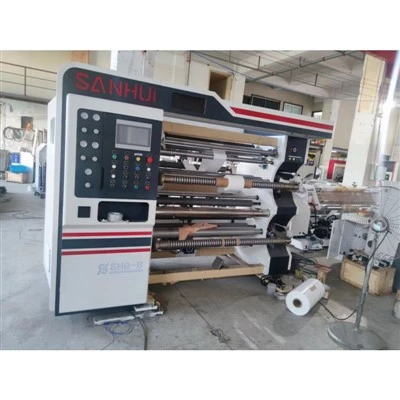
If you’ve got questions about slitter rewinders, operator vs. inspector roles, or how to cut down on scrap without losing production, feel free to reach out to discuss your specific needs. References for industry standards and role specifications come from the Flexible Packaging Association and the Industrial Machinery Association, both of which outline core responsibilities for slitter rewinder operators and quality inspectors in flexible film processing.
Foil Rewinding Machine References
Flexible Packaging Association. (2022). Core Roles & Responsibilities for Flexible Film Converting Operations. FPA Technical Guidelines.
Industrial Machinery Association. (2021). Operator and Quality Inspection Standards for Slitter Rewinder Machinery. IMA Occupational Safety & Training Series.
Wenzhou Sanhui Machinery Manufacturing Co., Ltd.
Wenzhou Sanhui Machinery Manufacturing Co., Ltd. is one of the most professional film slitter rewinder manufacturers and suppliers in China. We have world-leading production equipment and strong manufacturing capabilities. Please feel free to wholesale advanced film slitter rewinder made in China here from our factory. Customized orders are welcome.
Address: B17-8, Mechanical Industry Park, Wanquan Light Industry Production Base, Wanquan Town, Pingyang County, Wenzhou City, Zhejiang Province
E-mail: sanhui.slittingmachine@gmail.com
WebSite: https://www.sanhuislittingmachine.com/
