If you’ve ever stood at a job site watching a crew build a temporary work platform, you’ve probably noticed the small, critical parts that hold everything together: the brace connectors that keep a scaffold frame from swaying, the base plates that distribute weight over soft ground, the couplers that join pipes mid-lift. When a project hits a snag at 2 p.m. on a Friday—when a regular order for a swivel coupler arrived damaged, or a brace pin went missing mid-dismantle—most site managers don’t want to wait three days for a new shipment. That’s where the question comes in: Can I rent scaffolding accessories? Scaffolding Accessories
As someone who’s spent 12 years supplying scaffolding accessories to job sites across the Midwest, the short answer is: Yes, you can. But it’s not a one-size-fits-all yes. Too many people assume scaffolding accessories are cheap, disposable parts, so they skip rental and buy new every time, or they grab mismatched parts from a local hardware store that don’t meet OSHA standards. Over the years, I’ve heard every angle of this question from contractors, general foremen, and even small building owners fixing a residential addition. Let’s break down what it actually means to rent scaffolding accessories, how to do it right, and when it makes more sense than buying.
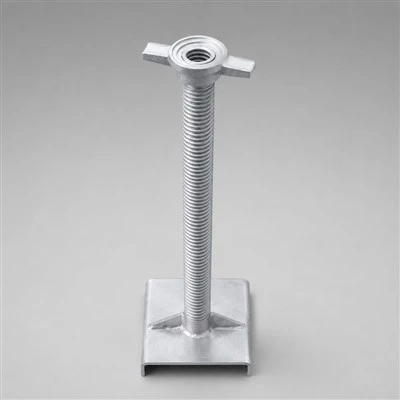
First, let’s clear up a common misconception: Scaffolding accessories aren’t just “small parts.” They include every component that turns a set of steel frames and pipes into a safe, code-compliant work system. That means base plates, jacks, couplers (fixed, swivel, and sleeve), brace connectors, guardrail components, toe board brackets, ladder clamps, harness anchor points, and even specialized parts like load-rated tie-backs for high-rise construction. Renting these accessories solves three big pain points for job sites: infrequent use, limited storage space, and tight project timelines.
Let’s talk about infrequent use first. If you’re a residential contractor who only uses scaffolding twice a year for roof repairs, buying a set of 20 swivel couplers, 10 base plates, and a handful of ladder clamps would cost you hundreds of dollars upfront—and then those parts would sit in your garage or job yard for 11 months gathering dust, rusting, and losing their load rating (wait, yes, even steel scaffolding accessories degrade when not in use, especially if they’re exposed to rain or temperature swings). When you do need them, you might find a cracked base plate or a coupler that’s seized shut, and you’re stuck on the job waiting for replacements. Renting lets you pay for exactly what you need, exactly when you need it, with no long-term storage costs or maintenance hassles.
Then there’s storage. Commercial job sites often have limited yard space, especially in urban areas where you’re working on a tight lot. Storing 50 couplers, a dozen jacks, and assorted brackets takes up room that you could use for materials or equipment. Renting means you only bring what’s needed for a specific phase of the project, and when that phase is done, you drop the accessories off at the rental provider’s yard the same day you dismantle the scaffold. No more hauling parts back and forth to your shop, no more stacking them in a corner that gets in the way of your crew.
Timelines are another big one. Construction projects rarely go exactly as planned. You might finish the exterior of a warehouse two days early, and now you need guardrail components for the interior work that starts ahead of schedule. Or a subcontractor on a high-rise project breaks a load-bearing coupler at 9 a.m. and can’t get a replacement delivered before 5 p.m.—but your crew can’t stop working for eight hours, and that’s a day of lost productivity. Most reputable scaffolding accessory rental providers keep a 24-hour stock of common parts, so you can pick up a replacement by lunchtime and get back to work.
But here’s the thing: Not all scaffolding accessory rental is created equal. I’ve seen too many rental yards cut corners, offering parts that are outdated, damaged, or not rated for the loads your project requires. Last year, a small general contractor came to me after renting base plates from a big-box rental chain for a residential addition. The plates were cast iron, not steel, and when the ground softened after a light rain, two plates sank 6 inches, twisting the scaffold frames and forcing his crew to stop work for three hours while we brought out proper load-rated base plates. OSHA doesn’t mess around with scaffolding safety, and using a rented accessory that doesn’t meet ANSI standards can lead to fines, job delays, and even accidents.
So how do you make sure you’re renting the right accessories, the safe way? First, know what you need before you go to rent. Take a quick inventory of your scaffold system: What size pipes are you using? What load rating is required for the accessories (most commercial projects use parts rated for 50 pounds per square foot or higher)? Are you working on a low-rise residential project, a mid-rise office building, or a bridge? Each project has different requirements. For example, swivel couplers need to be rated for the specific angle you’re joining pipes at, and base plates need to match the size of your scaffold jacks (a 1-inch jack needs a 1-inch base plate, no exceptions).
Second, check the condition of the accessories before you leave the rental yard. Look for rust, cracks, bent metal, or seized parts. A good rental provider will inspect every accessory before it goes out, but it’s your responsibility as the renter to make sure it’s safe. Last month, I had a young apprentice working on a small addition grab a brace pin that looked fine, but when he tried to insert it, it snapped in half. We replaced it on the spot, and taught him to test every pin and clamp before using it—never assume a rental part is safe just because it’s supposed to be new.
Third, understand the rental terms. Most scaffolding accessory rentals are charged by the week or by the day, and some providers charge a small deposit (refunded when you return the parts in good condition). Ask about late fees—some providers charge a per-day fee for every extra week you keep the parts, which can add up fast if your project runs over schedule. Also, confirm if the rental includes any inspections or support. A good supplier won’t just hand you a set of couplers and send you on your way—they’ll walk you through how to use them safely, explain load ratings, and answer questions if you run into issues on the job.
Wait, but what about specialized accessories? If you’re working on a high-rise, you might need tie-back anchors rated for 10,000 pounds, or ladder jacks that can support two workers with materials. Can you rent those? Absolutely. Many specialty rental yards carry high-load accessories that most general contractors don’t keep in stock, because buying a single tie-back anchor that costs $150 isn’t worth it if you only use it once every five years. Renting those specialized parts lets you access the exact equipment you need without investing in expensive, rarely used tools.
I also get asked a lot: Is renting cheaper than buying? The short answer is, it depends. If you’re using the same accessories multiple times a year, buying might be more cost-effective in the long run. But if you only use them once or twice, renting is almost always cheaper. Let’s do a quick math example: A set of 10 fixed couplers costs about $40 to buy. If you rent them for a week, that’s $15 total—so you’d have to use them three times before buying is a better deal. For a base plate, which costs about $25 to buy, a week’s rental is $5. If you only use base plates twice a year, that’s way cheaper than buying.
That’s not to say buying is bad. I keep a set of common couplers and base plates in my own shop because I use them every week. But for casual use, or for projects where you only need the accessories for a short period, renting makes perfect sense. It frees up your capital to spend on other supplies, and it takes the hassle of storage and maintenance off your plate.
One story that sticks with me is from a small building owner named Mike who was renovating a historic storefront in downtown St. Louis. He only needed scaffolding for two weeks to repaint the brick facade, and he didn’t have space to store the parts after. When he came to me, I told him he could rent exactly the number of couplers, base plates, and toe board brackets he needed for his 20-foot scaffold. He saved about $300 compared to buying, and when he finished, he dropped the parts off at our yard the next day. He told me later that if he’d had to buy all the parts, he’d have probably skipped the scaffolding safety rails and done the job without them—which would have been a huge safety risk.
That’s the other big reason to consider renting: It lets you prioritize safety without breaking the bank. Scaffolding accidents are preventable, and using the right accessories is a key part of that. If you can’t justify buying a specialized part for a one-time project, renting gives you access to safe, code-compliant parts that meet OSHA and ANSI standards.
Now, let’s talk about common mistakes people make when renting scaffolding accessories. The biggest one is buying mismatched parts from a non-specialist. I’ve seen contractors go to a hardware store and buy “scaffold couplers” that are actually for pipes meant for plumbing, not construction. Those couplers aren’t rated for construction loads, and using them can lead to scaffold collapse. Another mistake is renting parts that are too small or too large for your system. A base plate that’s too small will sink into soft ground, and a coupler that’s not the right size won’t grip the pipe tightly, leading to wobbling.
Another mistake is not planning ahead. If you wait until the day you need the accessories to rent, you might end up settling for whatever is in stock, which might not meet your project’s needs. I always tell contractors to place their rental order at least 48 hours in advance, especially if they need specialized parts. That gives the rental provider time to inspect the parts, pull them from the yard, and have them ready for you when you arrive.
So, to circle back to the original question: Can I rent scaffolding accessories? Yes, absolutely. But it’s not just a yes—you have to do it the right way. You need to work with a reputable supplier who has parts that are safe, code-compliant, and properly maintained. You need to know what parts you need for your specific project, check their condition before using them, and understand the rental terms before you sign an agreement.
Whether you’re a residential contractor doing a roof repair, a commercial builder working on a mid-rise office, or a small building owner fixing a storefront, renting scaffolding accessories can save you money, space, and hassle. It lets you access the exact parts you need, when you need them, without tying up your capital in equipment you’ll rarely use. Most importantly, it lets you keep your job site safe, which is the number one priority for every construction project.

If you’re not sure what accessories you need, or you want to confirm the safety and compliance of a part you’re planning to rent, reach out to a trusted scaffolding accessories supplier. Don’t gamble with your crew’s safety or your project timeline by using mismatched, damaged, or outdated parts. A little planning and a good rental partner can make all the difference between a job that runs smoothly and one that hits unexpected snags.
Disc-lock Scaffolding References
- Occupational Safety and Health Administration. (2022). Scaffolding Safety Standards: 1926 Subpart L. U.S. Department of Labor.
- American National Standards Institute. (2021). Safety Requirements for Construction Scaffolding Systems. ANSI/ASSE A10.8.
- Scaffolding, Industry Association of. (2023). Best Practices for Scaffolding Accessory Maintenance and Rental. SIA Technical Bulletin.
Hebei Shuangtai Mold Frame Technology Co., Ltd.
Hebei Shuangtai Mold Frame Technology Co., Ltd. is one of the most professional scaffolding accessories manufacturers and suppliers in China. With abundant experience, we warmly welcome you to wholesale cheap scaffolding accessories from our factory. If you have any enquiry about customized service, please feel free to email us.
Address: Nanluzhuang Industrial Zone, Majiawu Town, Renqiu City, Cangzhou City, Hebei Province
E-mail: 1297629160@qq.com
WebSite: https://www.stscaffoldng.com/
