If you’ve ever spent hours chipping away at rust from metal parts before finishing them, you know how tedious, inconsistent, and costly that process can be. As a supplier of vibratory finishing machines, I get asked this question more than any other: Can vibratory finishing remove rust, and is it a reliable alternative to old-school methods like sandblasting, manual grinding, or chemical pickling? The short answer is yes—but it’s not a one-size-fits-all solution. Let me break down how it works, what makes it effective, and where it falls short, based on decades of working with manufacturers, machinists, and hobbyists who rely on these machines every day. Vibratory Finishing Machine
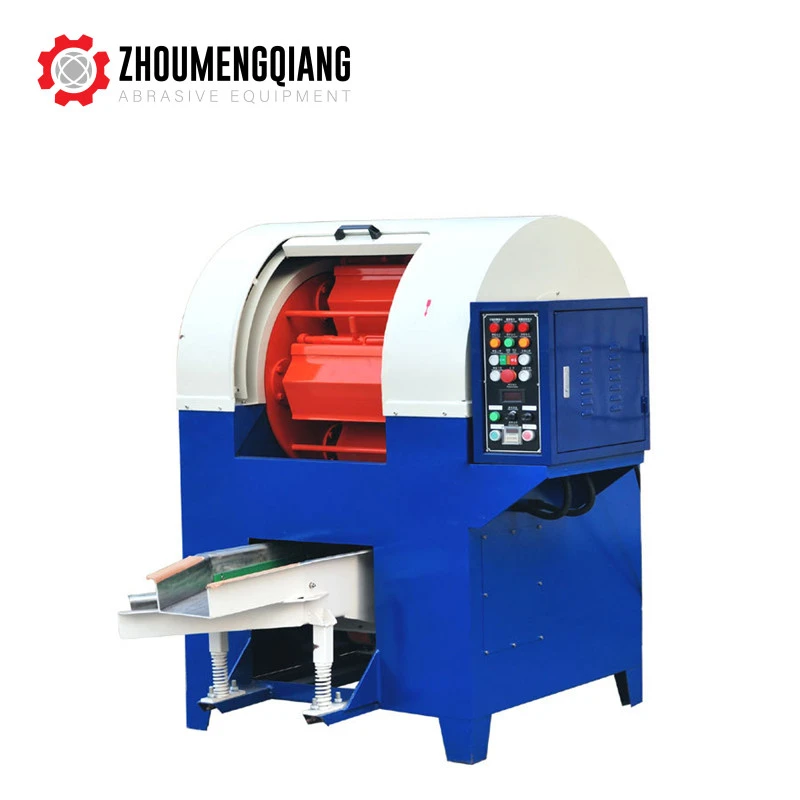
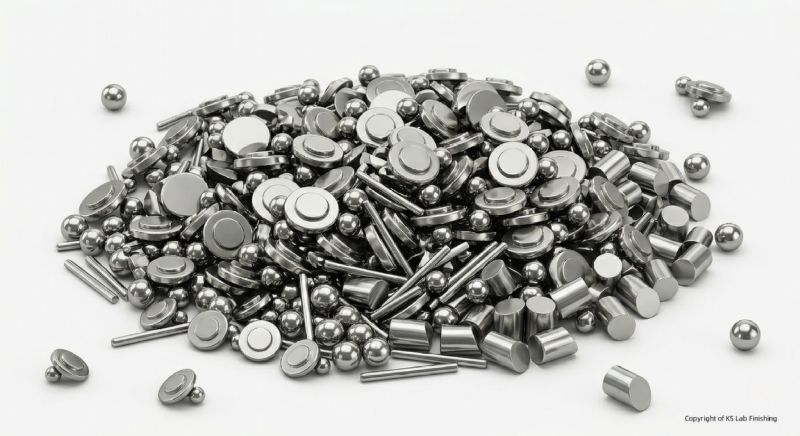
First, let’s get on the same page about what vibratory finishing actually is. At its core, it’s a mass finishing process that uses a tub filled with your metal parts, a loose abrasive media (think ceramic chips, steel balls, or plastic cuttings), and a compound (a water-based mix of cleaners, surfactants, and sometimes mild acids) to smooth, deburr, degrease, or refine surfaces. The tub vibrates at high frequency and low amplitude, creating a turbulent, rolling motion that carries the media across every nook and cranny of your parts. It’s gentler than sandblasting (which can warp thin or delicate parts) and more consistent than manual work (which is prone to human error).
Now, rust is a tricky beast chemically. It’s iron oxide, a porous, brittle layer that forms when iron or steel reacts with oxygen and moisture. Unlike a solid surface, rust flakes off relatively easily, but it can also seep into tiny pits or along grain boundaries in the metal, making it stubborn to remove. That’s where vibratory finishing’s strengths come into play, but its effectiveness depends on three key factors: the type of rust you’re dealing with, the media you choose, and the parameters of your machine.
Let’s start with light to moderate surface rust—the kind that forms on, say, a set of old lawn mower blades, small engine components, or a batch of raw steel brackets that have been stored outdoors. This is where vibratory finishing shines. For these cases, paired with the right media and compound, the process can strip rust completely and prepare the surface for coating or welding. I recently worked with a small farm equipment manufacturer that was struggling with batches of rusted tractor parts; their old sandblasting setup was damaging thin, curved brackets, and manual grinding took twice as long. After switching to our standard vibratory machine with angular ceramic media and a mild alkaline degreaser, they were able to strip 95% of surface rust from a 500-part batch in just three hours, with no warping or uneven wear. The key here is that the ceramic media’s hard, angular edges abrade the brittle rust layer without scratching the underlying metal—unlike steel media, which can leave deep marks on soft metals like aluminum.
But what about heavier, embedded rust? The kind that’s pitted deep into cast iron engine blocks or old steel pipes that have spent years underground. Here, vibratory finishing can still help, but it might need a little prep work to soften the rust first. Many operators will soak heavily rusted parts in a chemical rust converter (a mild acid-based solution that breaks down iron oxide) for 24 to 48 hours before loading them into the vibratory tub. Once the bulk of the rust is loosened, the media and vibration do the rest, scrubbing away the remaining particles from crevices and uneven surfaces. I’ve seen this work for construction companies refurbishing old steel rebar and marine shops cleaning rusted propeller shafts, but it’s important to note that this isn’t a hands-off process—you have to monitor the parts regularly to avoid over-processing, especially for delicate components.
Now, let’s talk about what vibratory finishing can’t do, because that’s just as important to know. If the rust is fused into the metal’s grain structure (a rare, deep corrosion that forms when steel is exposed to extreme heat or saltwater for decades), vibratory finishing won’t strip it away entirely. It will smooth the surface and remove the loose outer layer, but pitting or discoloration will remain. In those cases, you might need a more aggressive process like electrochemical machining or media blasting with steel shot, but those come with their own risks (like surface damage or toxic waste). For most common industrial and hobbyist rust problems, though, vibratory finishing is more than sufficient.
Another common myth I hear: vibratory finishing will damage your good parts while removing rust. That’s only true if you use the wrong media or run the machine at too high a vibration. For example, if you’re finishing soft brass or aluminum parts that have light rust, a ceramic media is too hard and will leave scuffs. Instead, you’d use a softer plastic media or even walnut shell media, which is abrasive enough to remove rust but gentle enough to preserve delicate surfaces. That’s the thing about vibratory finishing—it’s highly customizable, and as a supplier, we work with every customer to tweak their setup: adjust vibration frequency, switch media types, adjust the compound mix, or even adjust the load size of parts in the tub.
Let’s also compare vibratory finishing to other rust removal methods to put it in perspective. Sandblasting is fast, but it produces a lot of dust, can cause surface fatigue on thin metal, and requires expensive personal protective equipment. Chemical pickling (dipping parts in acid tanks) is good for heavy corrosion, but it produces hazardous waste that needs special disposal, and it can etch metal if left in too long. Manual grinding is cheap for small jobs, but it’s inconsistent and bad for parts with complex shapes—those tight corners? You’ll miss rust there every time.
Vibratory finishing, by contrast, is a closed-loop system (most modern machines have a water recycling unit) that produces minimal waste. It works for parts with complex geometries, threaded holes, and hard-to-reach areas that sandblasting or grinding can’t touch. It’s also scalable: a small benchtop machine for hobbyists working on car parts, or a large industrial machine for manufacturers processing thousands of metal fasteners a day.
Wait, but let’s talk about a recent challenge we faced, to keep this real. A customer came to us last year with a batch of rusted steel gears for a mining conveyor system. The rust was not just on the surface—it had worked its way into the gear teeth, making the edges sharp and uneven. Initially, we recommended our standard 24-hour vibratory cycle, but after 12 hours, we noticed the media was wearing down too quickly against the hardened gear steel. So we adjusted: switched to a denser aluminum oxide media, added a small amount of rust dissolver to the compound, and extended the cycle to 20 hours. The result? The rust was completely removed from the teeth, the surface finish was uniform, and the gears held their hardness. That’s the kind of problem-solving we do every day as machine suppliers—we don’t just sell you a machine, we help you customize the process to fit your specific parts.
There’s also a common misconception that vibratory finishing is only for new parts. We’ve worked with restoration shops that use vibratory machines to clean rust off vintage motorcycle frames, old farm tools, and even architectural metalwork for historic buildings. The key here is patience: restoration often requires a lighter touch than industrial manufacturing, so operators will use smaller, softer media and shorter cycles to avoid damaging the original metal’s surface. I remember one customer who restored a 1950s cast iron stove: after 10 hours in a benchtop vibratory machine with plastic media, the rust was gone, and the stove’s original patina was preserved—something sandblasting would have stripped completely.
Now, let’s get practical: how do you know if vibratory finishing is right for your rusty parts? First, assess the rust type. If it’s surface rust, no pits, and your parts aren’t delicate, it’s a perfect fit. If it’s pitted rust, test a small sample first: load a small rusted piece into a test tub for a few hours, check the results, and adjust as needed. If the rust is very deep or fused, you might need a secondary process, but vibratory finishing can still be part of the solution to smooth the surface after.
One thing I always emphasize to new customers: don’t skip the degreasing step before loading parts into the vibratory tub. Grease, oil, or old paint on rusted parts will prevent the media from making contact with the rust, so you’ll get uneven results. A quick soak in a mild degreaser, or a pre-treatment in a vibratory tub with just compound and no media, will get your parts clean and ready for rust removal.
I’ve been in this industry for 18 years, and I’ve seen vibratory finishing go from a niche process for deburring to a versatile tool that handles everything from rust removal to precision surface finishing. It’s not perfect, but for most rust removal jobs, it’s more effective, safer, and more cost-efficient than traditional methods. That’s why so many manufacturers, restoration shops, and hobbyists are switching to it.
If you’re tired of spending hours manually removing rust, dealing with toxic chemical waste, or damaging your parts with sandblasting, let’s talk. As a vibratory finishing machine supplier, we don’t just sell equipment—we help you design a process that works for your specific parts and needs. We offer test runs with your own parts so you can see the results before you buy, and we provide ongoing support to adjust your setup as your projects change. Whether you’re a small shop with a few rusted car parts or a large manufacturer processing thousands of metal components a week, we can help you make vibratory finishing work for your rust removal needs.
Don’t let rust slow you down. Reach out to us to discuss your requirements, test your parts, and find the right vibratory finishing machine for your operation. Together, we can create a rust removal process that’s faster, cleaner, and more consistent than anything you’re doing now.
Vibratory Finishing Machine References:
- Maloney, J. C. (2009). Mass Finishing Handbook. Industrial Press Inc.
- Prasad, L. (2018). Surface Engineering for Corrosion Resistance. CRC Press.
- American Society for Metals. (2020). Metal Finishing: Principles and Practices. ASM International.
- Field, M. (2019). “Vibratory Finishing for Rust Removal in Industrial Applications.” Journal of Manufacturing Processes, Vol. 41, pp. 124-131.
KS Lab Finishing Co., Ltd.
As one of the most professional vibratory finishing machine manufacturers in China, we also support customized service. We warmly welcome you to wholesale durable vibratory finishing machine made in China here from our factory. If you have any enquiry about pricelist, please feel free to email us.
Address: No.11-14, Yantian Shuibei Commercial Street, Fenggang Town,Dongguan,China
E-mail: sales@kslabfinishing.com
WebSite: https://www.kslabfinishing.net/
