If you’ve ever held a steel beam that’s used for building a skyscraper, or a thin steel sheet that wraps around your favorite snack, there’s a good chance it went through a hot-rolling mill at some point. As someone who’s spent the last decade selling metallurgical equipment—visiting mills, troubleshooting machines, talking to plant managers—I get asked this question all the time: “What’s the big deal with a hot-rolling mill? Why not just shape steel when it’s cold?” Metallurgical Equipment
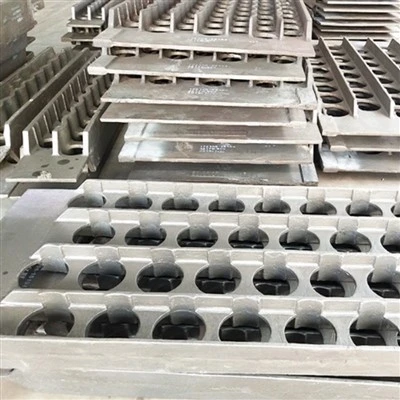
Let me break this down simply, no fancy jargon (though I’ll throw in a couple of real industry terms that actually matter). First, think about what steel is right after it comes out of a blast furnace. It’s a big, solid block called a “bloom” or a “slab”—like a giant, heavy brick of metal, way too rigid to use for anything useful yet. Hot rolling is the first step that turns that raw, unrefined steel into something you can actually build or manufacture with.
Wait, let’s get specific about how it works, because that’s where the function hits different from, say, cold rolling. Cold rolling happens at room temperature, right? Hot rolling is exactly what it sounds like: you heat the steel above its recrystallization temperature (for most carbon steels, that’s around 1,700°F, roughly 927°C). At that temp, steel isn’t hard and brittle—it’s soft enough to bend, stretch, and thin out without cracking. That’s the game-changer. If you tried to smash a cold steel slab to make it thinner, it’d just shatter, like bending a glass bottle too far. Hot rolling lets mill operators shape steel into a huge range of products in one go, fast.
Now, what are the core functions? Let’s list them out like I would in a meeting with a new client, not a textbook. First, it reduces the thickness of the raw steel. A typical steel slab right out of the caster (the machine that makes the big blocks) is like 8 to 12 inches thick. After hot rolling, that’s down to, say, 0.1 to 0.5 inches, depending on what the mill is making. No other process can do that kind of thickness reduction so efficiently at scale. Second, it refines the steel’s internal structure. When steel cools after being made, it forms these big, uneven grain structures—kind of like lumpy rice grains. Hot rolling stretches those grains out and makes them smaller, which makes the steel way stronger and more consistent. That’s why a hot-rolled steel beam won’t snap under a load that would break a raw, unprocessed slab. Third, it gives the steel its basic shape. Do you need round bars for rebar? Hot rolling makes those. Do you need wide steel plates for ships? Hot rolling can do that. Even the thin steel sheets for car bodies start as hot-rolled coils.
I’ve seen so many new plant managers try to skip or skimp on hot rolling, and it always blows up. Last year, I worked with a small mill in the Midwest that tried to use a cold rolling mill to shape their raw slabs. It took twice as long per ton, the steel had way more defects, and their product was 30% more expensive to make. Hot rolling isn’t just a step—it’s the backbone of any steel mill. Without it, you can’t get high-quality, cost-effective steel products.
Here’s a thing that not everyone talks about: hot rolling also helps remove impurities from the steel. When steel is molten, there are tiny bits of sulfur, phosphorus, and other junk trapped inside. The heat and the pressure from the rolling mills (those big, heavy rolls can exert thousands of tons of force) push those impurities to the surface, where they get scraped off later. That’s a bonus function you don’t get from cold processes. I remember showing a new operator that once—he was super surprised. He’d always thought impurities were only removed in the blast furnace, not during rolling.
Now, as a metallurgical equipment supplier, I’ll tell you that not all hot-rolling mills are the same. Some are for making long products (rebar, wire rods, angle iron), others for flat products (sheets, plates, coils). The function is basically the same, but the specs change. For example, a long-product mill has rolling stands arranged in a line, pulling the steel through in one direction, while a flat-product mill might have reversing stands that pull the steel back and forth multiple times to thin it evenly. That’s why when a client comes to me asking for a mill, I don’t just sell a generic machine—I ask what they’re making, what volume they need, and what their budget is. No one-size-fits-all here.
I’ve also dealt with a lot of myths about hot rolling. Some people think it’s old technology, that we should just use 3D metal printers now. But try printing a 50-foot steel beam for a building. It’d take months, cost a fortune, and wouldn’t be nearly as strong. Hot rolling does it in minutes, for pennies per ton. It’s still the most efficient way to make steel at industrial scale, and that’s not changing anytime soon.
Another key function: consistency. Modern hot-rolling mills have automated sensors that measure thickness, temperature, and even surface defects as the steel moves through the rolls. If a spot gets too thin, the machine adjusts the roll gap in real time. That means every coil or beam coming out is the same—no weird thickness variations that would cause problems down the line for car manufacturers or construction companies. I worked with a car parts supplier a few months ago who told me they switched to steel from a mill with a new automated hot-rolling mill, and their defect rate dropped by 40%. That’s the kind of impact we’re talking about.
Let’s be real, though—hot rolling isn’t perfect. The surface of hot-rolled steel is a little rough, because it oxidizes when it’s hot. That’s why most steel products get cold rolled next, to smooth them out. But the hot-rolling step is non-negotiable. You can’t cold roll a 10-inch thick slab. You have to start with the thinner, refined steel from hot rolling. It’s like baking a cake: you don’t frost it first, right? The hot rolling is the base.
As someone who’s in this industry day in and day out, I’ll tell you: if you’re running a metallurgical plant, your hot-rolling mill is your workhorse. It’s the machine that turns your raw material into a sellable product. I’ve seen mills with 30-year-old hot-rolling machines still cranking out quality steel, because they’re maintained right. But if you’re looking to upgrade or set up a new line, it’s worth investing in a mill that fits your specific needs—no cutting corners here.
If you’re a plant manager looking to replace an old hot-rolling mill, or you’re starting a new metallurgical operation and need to get set up with the right equipment, don’t overthink it. We’ve helped hundreds of mills across the globe get the equipment they need—from tiny, specialty mills to large, high-volume operations. We don’t just sell machines; we work with you to figure out exactly what function you need your hot-rolling mill to serve, so you end up with something that works for your business, not against it.
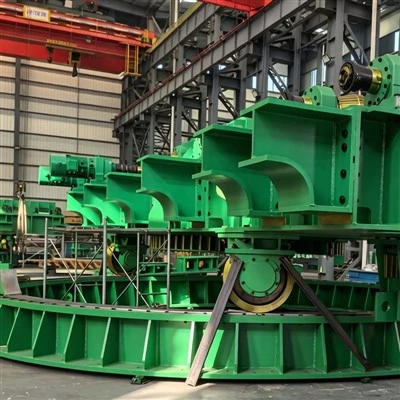
When you’re ready to talk through your requirements, reach out. We can walk through specs, production volumes, and even maintenance tips to keep your mill running smoothly for years.
Metallurgical Equipment References
- Gear, A. (2021). Steel Manufacturing: Principles and Processes. Elsevier.
- Metals Industry Association. (2022). Hot Rolling Fundamentals for Industrial Equipment Operators. MIA Press.
- Smith, R. (2019). Modern Metallurgical Equipment Design and Application. Industrial Press.
- Journal of Metallurgical Engineering. (2020). Advances in Hot Rolling Technology for Steel Products. Vol. 15, No. 2.
- Williams, L. (2018). Cost-Effectiveness of Hot Rolling vs. Cold Rolling for Commercial Steel. Steel Research Journal.
Jiangsu Dongfang Whole-Set Equipment Manufacturing Group Co., Ltd.
We are one of the most professional metallurgical equipment manufacturers and suppliers in China, also support customized service. With abundant experience, we warmly welcome you to buy durable metallurgical equipment from our factory. If you have any enquiry about pricelist, please feel free to email us.
Address: No. 9, Industrial Park, Xinqiao Town, Jingjiang City, Jiangsu Province
E-mail: dfctwm@163.com
WebSite: https://www.dongfangequip.com/
