If you work in municipal wastewater treatment, chances are you’ve seen centrifuges in action. As a supplier of municipal sludge centrifuges, I talk to plant operators every week who are frustrated with their equipment—some of whom bought units that were supposed to cut their sludge handling costs, only to end up with constant breakdowns, inconsistent dewatering results, and more headaches than they bargained for. Over the past 12 years in this industry, I’ve learned that most issues aren’t just “bad luck”; they’re common, preventable problems that come with how these machines are selected, installed, and maintained. Let’s break down the most frequent issues we see, and what plants can do to avoid them. Municipal Sludge Centrifuge
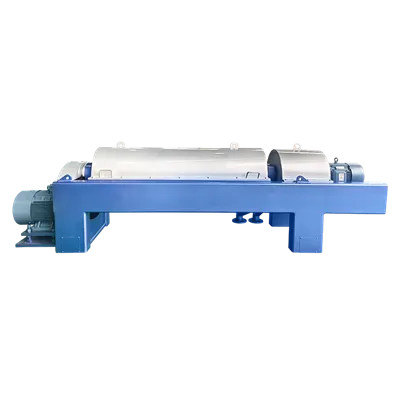
First, and one of the most pervasive problems, is mismatched centrifuge specifications to actual sludge conditions. I can’t tell you how many times a plant comes to us saying their 20-inch decanter centrifuge isn’t working, only to show us their raw sludge has a 4% solids content, high levels of grit from industrial inputs, and variable flow rates from seasonal population changes. Too many suppliers rely on generic “average” sludge data when sizing equipment, but municipal sludge isn’t a one-size-fits-all product. A centrifuge sized for a sludge with 2% solids will struggle when that jumps to 5%, because the bowl’s capacity to separate solids and liquid depends on the feed’s characteristics. Grit, in particular, is a silent killer here. Small, hard mineral particles from storm drains, combined sewer overflows, or food processing plants can wear away the centrifuge’s scroll and bowl much faster than the manufacturer’s design assumes. We’ve had plants that installed a high-speed centrifuge without accounting for their grit load, only to replace the scroll every 18 months instead of the expected 5 years.
Next, improper installation and setup are behind a lot of centrifuge issues. It’s not enough to set the machine on a concrete pad and plug it in. Decanter centrifuges rely on precise alignment of the bowl and scroll, and even a 0.5-degree off-kilter installation can cause excessive vibration, uneven wear, and poor dewatering. We once had a plant in Ohio that tried to install their new centrifuge themselves, and after two weeks of operation, the vibration was so bad it cracked the feed pipe. When our service team arrived, we found the pad was unlevel by nearly an inch, and they’d skipped the alignment checks that are part of a proper centrifuge setup. Another common installation mistake is not having the right auxiliary equipment: a heavy-duty feed pump that can handle variable flows, a polymer preparation system that’s calibrated correctly, and proper screening to remove large debris before sludge enters the centrifuge. Skip those, and you’re setting your centrifuge up for clogging and damage.
Clogging is another frequent headache, especially with feed lines and the centrifuge’s internal components. Sludge, even after screening, can have fibrous materials—think food scraps, wet wipes, hair, and paper—that wrap around the scroll’s flights or build up in the bowl’s discharge ports. We’ve had operators who thought their centrifuge was broken, only to find a wad of wet wipes blocking the solids discharge. What’s worse, many modern centrifuges are designed for continuous operation, so a small clog can quickly turn into a full shutdown if not caught early. Some plants try to clean clogs with high-pressure hoses, which can damage the bowl’s surface or the scroll’s blades, leading to even more wear over time. This is one area where regular, simple maintenance checks can make a huge difference—we recommend daily inspections of discharge lines and weekly checks of the scroll for any build-up.
Polymer dosage issues are closely tied to centrifuge performance, and they’re a common culprit when dewatering results are inconsistent. Polymer is added to sludge to bind fine particles together, making them easier to separate in the centrifuge. Too little polymer, and the solids don’t flocculate properly, leading to wet sludge cakes that are hard to dispose of and high solids in the effluent. Too much polymer, and you’re wasting money on chemicals, and the sludge can become too viscous, clogging the centrifuge’s internal passages. The problem here is that sludge properties change all the time—on a hot summer day, biological sludge has different characteristics than in winter after a rain event. Many plants use a fixed polymer dosage, which works for a few weeks but falls apart when conditions shift. We’ve seen a plant in Florida whose polymer costs doubled in 6 months because they didn’t adjust dosage for seasonal changes in their sludge, and their centrifuge’s dry solids content dropped by 2% as a result.
Wear and tear on internal parts is inevitable, but premature wear is a problem that often comes from poor maintenance or incorrect operation. The scroll and bowl of a centrifuge are made of hardened steel, but when sludge has high grit content, or the machine is run at higher speeds than designed, that steel can wear down much faster than expected. We once worked with a plant in Texas that ran their centrifuge 24/7 without performing regular grease checks on the scroll’s bearings, leading to excessive friction between the scroll and bowl, which wore a groove into the bowl in less than 3 years. Another issue is corrosion—municipal sludge has high levels of ammonia and other chemicals, and if the centrifuge isn’t properly coated or cleaned after use, those chemicals can corrode the bowl’s interior, leading to leaks and reduced performance over time. Many plants skip daily cleaning because they’re in a hurry, but even a small amount of sludge residue left in the bowl overnight can accelerate corrosion by 50% or more.
Vibration and noise issues aren’t just annoying—they’re often a sign of serious underlying problems. As I mentioned earlier, misalignment is a top cause, but vibration can also come from unbalanced feed, worn bearings, or debris caught between the bowl and scroll. If left unaddressed, excessive vibration can crack the centrifuge’s base, damage the drive shaft, or even cause the machine to shut down to prevent further damage. We had a plant in Pennsylvania that ignored a small vibration issue for months, and it ended up damaging the centrifuge’s gearbox, which cost them $25,000 in repairs and 2 weeks of lost operation. Noise, too, can be a warning sign—while centrifuges are loud by nature, a sudden increase in noise often means something is wrong with the scroll or bowl.
Finally, lack of regular maintenance and operator training is the root cause of most of these issues. Many municipal plants are understaffed, and centrifuge maintenance is often an afterthought. Operators who are tasked with running the equipment may not have the specialized knowledge to spot small problems before they become big ones. For example, a small increase in effluent solids might seem insignificant, but it’s often the first sign that the polymer dosage is off or the scroll is wearing. We’ve had plants that waited 6 months to call us because they thought their centrifuge’s performance was “normal,” only to find that the machine had a 2-inch groove worn into the bowl, requiring a full replacement instead of a simple repair. Operator training is non-negotiable here—we offer on-site training for all our customers, teaching them how to check for wear, adjust polymer dosage, and perform basic alignment checks, and the plants that take advantage of that see a 30% reduction in breakdowns, on average.
Now, I want to be clear: these problems aren’t inevitable. When you work with a supplier that understands municipal sludge’s unique challenges, you can avoid most of these issues. At our company, we don’t just sell centrifuges—we work with plants to test their specific sludge, size the equipment correctly, and provide ongoing support to keep machines running smoothly.
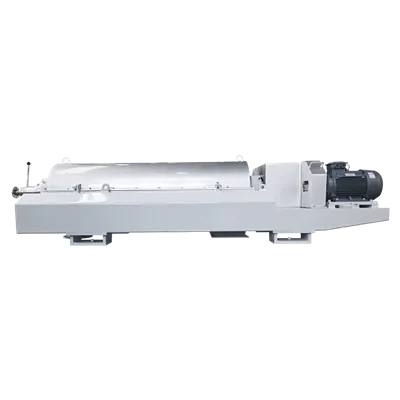
If you’re dealing with a centrifuge that’s not performing as it should, or you’re looking to upgrade your municipal sludge handling equipment, I’d encourage you to reach out to our team. We can come to your facility, test your sludge, review your current setup, and help you find a solution that fits your needs and budget. Don’t let preventable problems turn your sludge handling into a constant headache—let’s work together to get your centrifuge working for you.
Oily Sludge Centrifuge References
- Water Environment Federation. (2020). Municipal Sludge Management: Operations and Maintenance Manual. WEF Press.
- Decanter Centrifuge Manufacturers Association. (2021). Best Practices for Centrifuge Selection, Installation, and Maintenance. Industry Technical Report.
- American Society of Civil Engineers. (2019). Design and Operation of Sludge Dewatering Systems for Municipal Wastewater Treatment Plants. ASCE Press.
- EPA Office of Water. (2022). Sludge Handling and Disposal Guide for Small and Medium Municipal Wastewater Treatment Plants. U.S. Environmental Protection Agency.
Lishui Yuanrong Environmental Protection Equipment Co., Ltd.
As one of the most professional municipal sludge centrifuge manufacturers and suppliers in China, we have world-leading production equipment and strong manufacturing capabilities. Please feel free to buy customized municipal sludge centrifuge from our factory. Also, quotation is available.
Address: Lot 6-1, Block 15, Wanyang Zongchuang City, Lishui, Zhejiang, China
E-mail: 361184920@qq.com
WebSite: https://www.yrhdc.com/
