Hey guys, let’s cut to the chase—if you’re here because you just unboxed a custom plush toy you had made (maybe for your brand, a kid, or that weirdly specific niche hobby you’re into) and you’re staring at a coffee stain or a few too many crumbs from your couch, you’re probably wondering the exact same question I get a dozen times a day in my shop: “Can I just toss this thing in the wash?” Custom Plush Toy
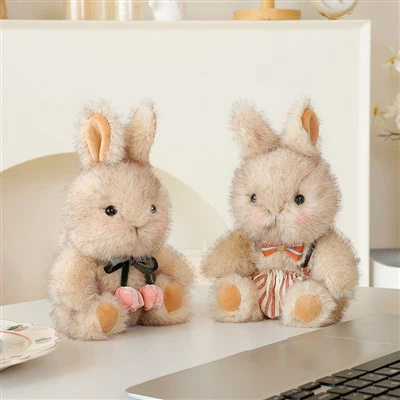
I’ve been running this custom plush toy business for 7 years now, and let me tell you—this is not a “yes or no” question. It’s a “it depends on three things, and I’m gonna walk you through all of ’em so you don’t ruin the one-of-a-kind plush you dropped literal weeks waiting for.” No AI-style textbook answers here, just real stuff I’ve learned from fixing more stuffed animal oops moments than I can count.
First off, let’s talk about what makes custom plush toys different from the $5 ones at the grocery store you grab for a kid’s birthday. When you order a custom one, you pick every single part: the fabric (that soft minky vs. sturdier fleece), the stuffing (polyester fiberfill vs. that cloud-like premium stuff), the eyes and noses (plastic safety eyes vs. embroidered features), and even the little extras like a sound box or a tiny heart sewn in for a baby. All those choices change if it’s machine washable—trust me, I’ve had a customer send me a plush with a sound box that got ruined because they washed it on hot and put it in the dryer. Oof.
Let’s break down the key factors, starting with the fabric. Most custom plush makers (myself included) use either minky or fleece for the main body, right? Minky is that super soft, velvety stuff—dreamy for snuggles, but total diva when it comes to water. If you wash minky on a normal cycle with hot water? It’ll shrink, matte up, and lose that fluffy, smooth texture. Fleece’s a bit tougher, but still not fan of super hot water. The only fabric we use that’s actually pretty washable? The heavy-duty stuff we use for work uniforms or mascots, but that’s a tiny subset of custom plush.
Next up, the “hard parts”—the parts that aren’t fabric or stuffing. This is where most people mess up. If your plush has plastic safety eyes, noses, or maybe a little plastic logo tag sewn on? You can’t just toss it in the wash without a little prep. Those plastic bits can melt if they get too hot, or pop off if the spin cycle’s too rough. I always tell my customers: if your plush has plastic parts, don’t even think about the washer unless you put it in a mesh laundry bag first. The mesh keeps the plastic from bouncing around and breaking, and it keeps the plush from getting tangled in other clothes (or pulling on other clothes—been there, my custom plush got wrapped around my hoodie’s drawstring once. Not fun).
Now, the big one: special features. This is where the “my custom plush is different” line hits hard. If your plush has a sound box (think tiny speaker that plays your kid’s first phrase), a glow-in-the-dark layer, a small battery compartment, or even a tiny USB port for a light-up feature? I’m gonna be the bad guy here and say no machine washing. Water and electronics? They don’t mix. Even if the company that makes the sound box says it’s “water-resistant,” the seams on the plush are never 100% waterproof, so water will seep in and fry the speaker. I had a customer order a custom plush for their wedding that played their first dance song—they washed it on gentle cycle, no bag, and the speaker died. We ended up having to hand-sew a new one for them, and let me tell you, that was a nightmare because we had to make it match the exact original sound. So if your plush has any kind of electronics? Hand wash only, no exceptions.
Wait, but what about the stuffing? Most custom plush uses 100% polyester fiberfill, right? That’s the same stuff you get in regular plush, so it’s pretty durable. But if you wash it in hot water, the stuffing can clump up—you’ll end up with a lopsided plush that looks like it sat on a cactus. And if you put it in the dryer? The heat can make the stuffing shrink too, or melt any tiny plastic bits that snuck in. If you do machine wash, skip the dryer entirely—air dry on a clothesline or a drying rack flat. That’s non-negotiable for any custom plush I make, honestly.
Let’s talk about the wrong ways people wash custom plush. I see this all the time: someone throws their plush in the wash with their jeans, uses laundry detergent that’s got bleach or fabric softener, and then dries it on high heat. Bleach will fade the custom design you spent hours working on—like if you had a custom logo or a portrait of your dog on the plush? Bleach will eat right through that. Fabric softener? It gets into the fabric’s pores and makes that minky fuzzy stuff lose its softness, and it can even make the colors run. And high heat in the dryer? We already covered that—shrinkage, matte fabric, broken plastic parts.
So what’s the right way to machine wash a custom plush? Let’s make this step-by-step, no confusing jargon, just stuff you can actually do tonight. First, check the tag I sew inside every custom plush (yes, I put a hidden tag with care instructions—most people miss it, it’s on the seam at the bottom). If it says “hand wash only”? Don’t machine wash. If it says “gentle machine wash”? Keep going. Step two: prep it. Remove any hard bits if you can—like if the eye is a plastic safety eye, maybe just hand wash the face? Or if you can’t take it off, wrap it in a small piece of fabric or put it in a mesh laundry bag. Step three: choose the right wash. Cold water, gentle cycle, mild detergent (no bleach, no fabric softener). Step four: after washing, squeeze out the excess water gently—don’t twist it, that’ll stretch the seams. Then lay it flat on a drying rack or a clean towel to air dry. Don’t hang it up, because gravity will make the fabric stretch out of shape.
Wait, but what if you’re not sure if it’s machine washable? Or you have a custom plush that’s already gotten a stain and you don’t wanna mess it up? That’s exactly what I’m here for. A lot of new custom plush buyers think they have to lock their plush in a glass case so it never gets dirty, but that’s no way to enjoy it. I’d rather you have a plush you can snuggle, play with, and yes, even wash when it’s messy—so long as you do it the right way.
Let me share a quick horror story that’ll drive this home. A few months back, a guy ordered a custom plush of his late golden retriever for his daughter’s first birthday. It was super detailed—had the exact brown patches on the face, a little collar with the dog’s name, and even a tiny sound box that played the dog’s bark. About a week after his daughter got it, he texted me panicking because his kid spilled apple juice all over it, and he threw it in the washing machine on hot, no bag, then dryer on high. The sound box was fried, the minky fur was matte, the brown patches shrunk, and the eyes were loose. I spent three days hand-sewing a new sound box, re-fluffing the minky, fixing the patches, and re-securing the eyes, and gave him a discount because he didn’t know better. Lesson learned? A lot of people don’t know the ins and outs of custom plush care, so I’m here to tell ’em.
And for the record—hand washing is always safer if you’re at all unsure. It’s not that hard. Just fill a basin with cold water, add a tiny bit of mild detergent, swish the plush around gently, let it soak for 10 minutes, squeeze out the water, rinse with cold water, then blot dry with a towel. No rough handling, no spinning machine, no risk of ruining special features.
Now, if you’re in the market for a custom plush—whether it’s for your business swag, a gift for a friend, a kid’s comfort item, or whatever—you should know that I build all my plush with care instructions in mind. I use removable plastic parts where I can, seal sound boxes so they’re as water-resistant as possible (still no machine wash, but hand wash is safe), and use fabrics that hold up to gentle care. I don’t cut corners on quality because I want every single custom plush I make to be something you can love for years, not just a few weeks.
Speaking of years—how do you keep your custom plush looking good between washes? Spot cleaning is your best friend. If you get a coffee stain or a crumb, grab a damp cloth with a tiny bit of detergent, dab the stain (don’t rub, rubbing makes it spread), and blot dry. That way you don’t have to wash the whole plush every time it gets a little dirty. For fur that gets matted? Use a soft brush (like a pet brush, the kind with soft bristles) to gently comb it out after it dries. I do that with my own custom plush at home, it works wonders.
Wait, let’s wrap this up so it’s not just a care guide—you’re probably here because you either have a custom plush you wanna wash, or you’re thinking about ordering one and want to know if it’s worth it. The short answer: most custom plush toys can be machine washed, but only if you follow the rules: cold water, gentle cycle, mesh bag, no dryer, no bleach/softener, no electronics. If it has special features (sound, lights, etc.), hand wash only. And if you’re ever in doubt, hit me up.
I get it, custom plush is a big investment—you worked with a designer, picked every little detail, waited weeks for it to be made and shipped. You don’t wanna mess that up by washing it wrong. That’s why I’m not just a plush maker, I’m here to help you take care of it. Whether you have questions about your current plush, or you wanna order a custom one that’s built to last, just reach out. No weird sales pitches, no hidden fees, just real advice from someone who’s been in the plush game long enough to know the difference between a custom plush that’s worth keeping, and one that’ll get ruined if you look at it wrong.

At the end of the day, custom plush should be loved, not hidden away. Whether it’s a snuggle buddy for a kid, a mascot for your brand, or a reminder of a pet you lost, it’s meant to be used. So don’t stress too much about the wash—just follow the simple rules I laid out, and your plush will stay soft, bright, and awesome for ages. If you need help with a current plush or wanna start on your next custom project, don’t hesitate to connect. Let’s make something that you can actually enjoy, even when it gets a little messy.
By Animal References
- Textile Care Alliance. (2022). Guide to Washing and Maintaining Plush Fabrics.
- Plush Toy Manufacturers Association. (2021). Best Practices for Custom Stuffed Toy Construction and Care.
- Consumer Product Safety Commission. (2020). Guidelines for Cleaning Stuffed Toys with Safety Components.
- International Fabric Care Institute. (2023). Care Instructions for Minky and Fleece Fabrics Used in Custom Textiles.
Yangzhou Beyman Toys Co., Ltd.
We are one of the most professional custom plush toy manufacturers and suppliers in China, specialized in providing high quality custom service and OEM&ODM service. We warmly welcome you to wholesale bulk custom plush toy made in China here from our factory.
Address: Room 305, North Bldg, 4 Bldg, Chuangfu Factory, No.158, Jiannan Road, Hi-Tech Development Zone, Yangzhou City, Jiangsu Province, China.
E-mail: janzen3@beyman.cn
WebSite: https://www.plushtoyschina.com/
