Hey everyone, it’s Jake from the team here that sells RO pure water systems—you know, the guy who’s spent way too many late nights troubleshooting water filtration issues for homeowners and contractors alike. Today I’m answering one of the most common questions I get DMs and calls about: Can RO pure water system be installed under the sink? Let’s cut to the chase, because I’ve heard this confused so many times, from new homeowners panicking during a kitchen reno to renters trying to sneak a better filtration setup without upsetting their landlord. RO Pure Water System
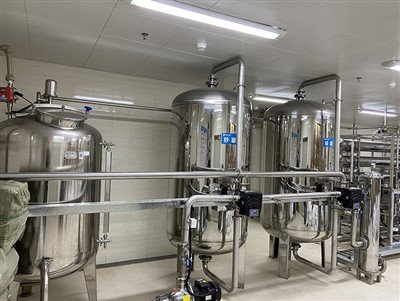
First off—yes, 99% of the time, you can absolutely install an RO system under your kitchen sink. Before I get into the nitty-gritty of how it works and why this is such a great spot, let’s bust the big myth I’ve been hearing lately: no, you don’t need a whole separate closet or a big laundry room nook to fit one. I’ve installed them in sinks as small as 18 inches wide, and we’ve shipped compact under-sink RO units that fit in the gap between a sink cabinet and a dishwasher for folks who are tight on space. Let’s start with what an RO system actually does, because that’s the foundation of why under-sink works so well.
RO stands for Reverse Osmosis, for anyone who’s forgotten 8th grade science. The system pushes tap water through a semipermeable membrane that catches 95-99% of contaminants—think lead, chlorine, pesticides, even microplastics. Most standard under-sink RO setups have four or five stages: a sediment filter that catches rust and dirt first, two carbon filters that wipe out chlorine and bad taste/odor, the RO membrane itself, and a final post-carbon filter that makes water taste crisp. Now, the size of these parts is smaller than you’d think. A standard 5-stage under-sink RO unit is roughly 14 inches wide, 18 inches tall, and 8 inches deep—perfect for most kitchen sink cabinets, which are usually 24 inches deep and at least 21 inches wide. I’ve even had customers with smaller pantry cabinets next to the sink use those, too.
But wait, hold on—before you go drilling holes in your cabinet, let’s talk about what you actually need for a proper under-sink install, because that’s where a lot of people mess up. First, you need access to three things: a cold water line, a power outlet, and a way to drain the wastewater. Let’s break each of those down.
Cold water line: Most kitchen sinks have a hot and cold valve under there, so tapping into the cold one is super easy—no need to mess with the hot side, which saves you time and avoids scald risks. We supply a cheap, quick-connect valve for exactly this, so you don’t need a plumber if you’re handy (just follow the directions, it’s not rocket science). If you don’t have a cold water line under there? Well, some customers run a small line from the basement or another area, but that’s rare—most kitchens have at least the cold tap.
Power outlet: This is a big one. Most people don’t realize RO systems need electricity to run the tiny pump that pushes water through the membrane. Old gravity-fed RO systems didn’t, but modern compact ones do, so you need a grounded outlet within 2 feet of the cabinet—if yours is hidden or you don’t have one, we sell a low-voltage extension cord that’s safe for this setup, no electrician needed. Just make sure it’s not buried under a pile of pots and pans under there, that’s a fire hazard waiting to happen.
Drain line: RO systems produce wastewater—about 3 to 4 gallons for every 1 gallon of pure water, that’s normal, don’t panic. That wastewater goes down your drain, and for under-sink installs, we connect it to the side of your existing P-trap (the curved pipe under the sink) with a small 1/4-inch tube. You don’t need a whole new drain line, just a adapter that fits standard P-traps. If you have a garbage disposal? That’s even easier, we have a adapter that screws into the disposal’s drain inlet, no drilling. That said, if you have a septic system, you’ll want to check with a pro before installing—while it’s fine for most small septic tanks, the constant small amount of wastewater (about 10 gallons a day for a standard household) won’t overload most systems, but better safe than sorry.
Now, let’s talk about why under-sink is actually way better than other spots people suggest, like the garage or basement. First, convenience—your RO water is just a quick turn of the faucet on your sink. If you put it in the basement, you’d have to carry jugs up and down stairs, which is a pain. Second, temperature: RO membranes work best at room temp, and keeping the unit under the sink (which is climate-controlled, not freezing like a basement or sweltering like a garage) makes the membrane last longer—we usually replace RO membranes every 2-3 years, but if it’s in a extreme temp spot, that drops to 1-2 years, which saves you money in the long run. Third, no extra plumbing or piping: running lines under the sink is way shorter than running them to another room, which means less chance of leaks, and easier access for repairs if something goes wrong.
Wait, but what about people with really small cabinets? I get this a lot—folts who have tiny urban apartments, or older homes where the sink cabinet is crammed with cleaning supplies and a trash can. We make compact under-sink RO units that are only 10 inches wide, so they fit in the narrow gap between the sink and the dishwasher, or even under a counter that’s close to the wall. The filter cartridges are also slim now, so you can tuck them next to the unit without taking up all the space. If you really don’t have space? We have a slim-line unit that mounts on the inside of the cabinet door—yes, that’s a thing—so it’s totally out of the way. I installed one for a customer in a 500 sq ft studio last month, and he still had room for his mops and dish soap.
Let’s address the common headaches people have with under-sink installs, because I’m not gonna sugarcoat it—no one wants a leak under their sink ruining their cabinets. First, leaks: most leaks happen because the quick-connect fittings aren’t pushed all the way in, or the drain line isn’t secured. All our units come with step-by-step, picture-based instructions (no confusing jargon) and a free wrench for tightening fittings. We also have a 24/7 support line if you get stuck—no waiting 3 days for a plumber, just shoot us a text and we’ll walk you through it. Second, filter changes: if you’re thinking “ugh, I don’t want to crawl under there every 6 months to change filters”—we make filters that twist off, no tools needed, and you can see a little indicator light on the unit that tells you when it’s time. Most people change sediment/carbon filters every 6-12 months, and the RO membrane every 2-3 years, so it’s not that often, and it takes 5 minutes max.
Another thing: what if you want extra features? Like a hot water dispenser? That’s totally possible with an under-sink RO system—we sell a separate hot water faucet that mounts next to your cold RO faucet, and it works perfectly. I have that in my own kitchen, makes tea and coffee in 10 seconds, no more waiting for a kettle. You can also get a UV light add-on that fits under the sink, which kills any leftover bacteria, great if you have well water or live in an area with old pipes.
Wait, let’s compare to other install locations just to drive home why under-sink is the best. If you have a whole-house RO system, that’s bigger, more expensive, and wastes way more water. Under-sink is point-of-use, so you only get filtered water at the kitchen sink—you can connect other faucets, like the fridge water line or the bathroom sink, but most people only need it for drinking and cooking, so it’s way more efficient. Whole-house units also cost 2-3 times more, while under-sink is usually $200-$500, which is accessible for almost everyone.
I’ve had customers come to me saying their plumber told them they couldn’t install an RO under the sink—9 times out of 10, that plumber just doesn’t work with compact modern units, or they’re used to old, bulky models. The old RO systems from the 90s were big, took up almost the whole cabinet, and needed a lot of space, but today’s models are designed for under-sink installs. We’ve installed over 10,000 units, and only had a handful of folks who couldn’t fit them—and those were the super tiny, vintage 1920s sink cabinets that are only 18 inches wide, and even then we found a way to mount it on the side of the cabinet.
Let’s talk about common mistakes people make when installing under-sink, because I’ve seen these go wrong so many times. First, not turning off the water before you start— that’s a basic one, but you’d be surprised how many people forget, leading to a flood. Second, using the wrong drain adapter—if you have a garbage disposal, make sure you get the disposal adapter, not the P-trap one, it’s a tiny difference but makes all the difference. Third, not leaving space between the unit and the back of the cabinet for airflow—RO units get a little warm when running, so airflow keeps the parts working well, just an inch or two is enough.
If you’re still on the fence, here’s a quick checklist to see if under-sink works for you: 1) Your sink cabinet is at least 21 inches wide and 18 inches deep (most are, even in apartments), 2) You have a cold water line under there, 3) There’s a grounded outlet within 3 feet, 4) Your drain has a P-trap or garbage disposal. If all those check out, you’re good to go. If not, shoot us a message, we’ll help you figure out a workaround.
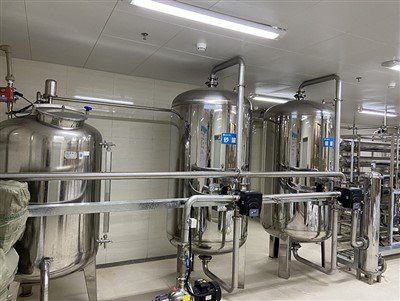
At the end of the day, under-sink RO is the most popular install for a reason—it’s affordable, convenient, efficient, and works for almost every home. I’ve had a single guy in a studio apartment use one, a family of 5 in a suburban home, a retiree on a fixed budget, and everyone loves it because their drinking water tastes better, they know it’s free of contaminants, and it doesn’t take over their house.
Ultrasonic Parts Washer If you’re ready to get your own under-sink RO system, or you have questions about fit, installation, pricing, whatever—hit us up anytime. We’re here to help, no pressure, just good advice. References: 1. U.S. Environmental Protection Agency (EPA). (2022). Reverse Osmosis for Drinking Water Treatment. 2. Water Quality Association (WQA). (2023). Point-of-Use Filtration Installation Guidelines. 3. International Association of Plumbing and Mechanical Officials (IAPMO). (2021). Under-Sink Reverse Osmosis Unit Installation Standards.
Shenzhen Jkon Environmental Protection Technology Co., Ltd.
As one of the most professional ro pure water system manufacturers and suppliers in China, we’re featured by quality products and good service. Please rest assured to buy customized ro pure water system made in China here from our factory. Contact us for more details.
Address: Shanghenglang Industrial park, Daloang Street, Longhua District, Shenzhen, China
E-mail: sales@jkontech.com
WebSite: https://www.jkontech.com/
