When I first started working at our chain supply company, I’ll admit I thought blockchain miners were just some random crypto bros hunched over fancy computers in a dark basement, grinding out Bitcoin to get rich quick. I had no clue how their actual role tied to what we do every day—supplying the reliable infrastructure that keeps blockchain networks running smoothly. Now, after seeing firsthand how miners work behind the scenes and how we support that effort, I get it: miners aren’t just crypto players. They’re the backbone that makes blockchains (including the ones that power parts of our supply chain solutions) secure, trustworthy, and functional. Let’s break this down like we would to a new team member over coffee—no jargon, just the real deal. Chain

First, let’s start with what a blockchain actually is, because you can’t talk about miners without that context. It’s a decentralized, immutable ledger—meaning no single company or person calls the shots, and once a record is added, it can’t be altered without everyone agreeing. Think of it like a shared Google Doc that thousands of people edit, but every change is permanent and tracked by all of them. Miners are the people who do two big jobs to keep that doc up to date: validating new transactions and securing the network. That’s way more than just “crypto mining” for coins, y’know?
Let’s take validating transactions first. When you send Bitcoin to a friend, or use a blockchain-based app for supply chain tracking, that transaction isn’t automatically added to the ledger. First, it gets grouped with other pending transactions into a “block.” Miners take that block and run a bunch of checks to make sure it’s legitimate. For example, they confirm you actually have enough crypto to send, that the sender’s digital signature matches the one linked to their wallet, and that none of the transactions are fake. If any part of the block is off, they toss it out. But if it checks out, they move to the next step. This is where our supply side comes in, by the way. Miners need hardware that’s powerful enough to do these checks fast, and energy to run it 24/7. We don’t sell crypto miners directly—we supply the cables, connectors, power distribution units, and backup power systems that keep their rigs running nonstop. A miner can’t validate blocks if their rig loses power or a cable frays mid-operation, so our stuff is their unsung hero.
Then there’s the securing part. Blockchains work on a system called “proof of work” (PoW) for most major ones like Bitcoin, though some use proof of stake now, but let’s stick to PoW since that’s where miners play the biggest role. To add a valid block to the chain, miners have to solve a super complex math puzzle. It’s not a “what’s 2+2” puzzle—it’s a cryptographic problem that requires brute force: guessing the right number to unlock the block’s contents. The first miner to solve it gets to add the block to the chain, and in return, they get a reward—usually a small amount of the crypto the network is built on, plus any transaction fees from the users whose transactions are in that block.
Here’s why that puzzle matters for security: if someone tried to fake a transaction—like saying they own a piece of equipment they don’t—they’d have to redo all the blocks after the one that transaction is in to make the fake look real. And because each block links to the one before it (hence “blockchain”), that means they’d have to solve every single subsequent puzzle faster than the rest of the network combined. That’s almost impossible, because the network has thousands of miners all solving puzzles at the same time. So miners aren’t just processing transactions—they’re creating a barrier against fraud. Without them, bad actors could mess with the ledger anytime, and the whole point of blockchain (trust) would go out the window.
Wait, but let’s clear up a common myth: miners aren’t just random people. A lot of people think it’s just individuals with one rig in their bedroom, and that’s partially true for small-scale miners, but most of the heavy lifting is done by big mining operations. These are massive facilities with thousands of rigs, all connected and powered 24/7. Those operations rely entirely on reliable infrastructure—and that’s where our chain supply company steps in. For example, a mining farm might have 10,000 rigs, each drawing a lot of power. If their power distribution is spotty, they lose money fast, not just from downtime but from the rigs not solving puzzles fast enough. We supply the heavy-duty cables that handle that power, the cooling systems’ wiring (mining rigs run hot, so they need constant cooling to not burn out), and even backup generators so if the grid goes down, the rigs keep running. Last quarter, we worked with a mid-sized mining farm in Texas that had a cable failure costing them $12,000 in downtime in a single night. We delivered custom high-temp cables overnight, and they haven’t had a similar issue since. That’s how our work ties directly to miners’ ability to do their job.
Now, let’s talk about how miners adapt. Not all blockchains use PoW, right? Ethereum switched to proof of stake (PoS) a few years back, which means no more mining rigs solving math puzzles—instead, people stake crypto to become validators. But even then, miners aren’t disappearing entirely. A lot of mining operations have shifted to mining other PoW coins, like Litecoin or Monero, or even using their extra capacity to support other decentralized systems. For example, some mining farms use their rigs’ idle power to help with computing tasks for supply chain tracking blockchains, which is something we’ve partnered with them on. We supply the flexible cables that let them switch between different setups quickly, since their operations are always evolving. That adaptability is key, and our job is to make sure they can switch fast without overhauling their entire infrastructure.
Another thing a lot of people don’t realize: miners help keep blockchain decentralized. Wait, why? Because if only one group controlled all the mining power, they could alter the ledger. Think of it like a company owning all the Google Docs editing access—they could change anything. But with thousands of miners spread across the globe, no single group has enough power to take over. That’s why mining isn’t just about rewards—it’s about keeping the ledger distributed. And when miners come together to form mining pools, they combine their computing power to solve puzzles faster, which means more consistent rewards. But those pools still rely on reliable connections between rigs, and that’s where our Ethernet cables and network switches come in. We don’t sell those switches, but we supply the cables that connect the rigs to the switches, so every miner in the pool can communicate without lag. A 100-millisecond delay in communication could mean a pool misses out on a reward, so our cables have to be top-tier.
Let’s get into a real example from our work. Last year, we worked with a small mining operation in Wyoming that specializes in sustainable mining—they run their rigs on wind power, which is a big deal because a lot of people criticize PoW for using too much energy. Their setup is a bit different: the rigs are spread across multiple wind turbine sites, so they need long, weather-resistant cables to connect them. We custom-made cables that are rated for extreme cold (Wyoming winters are brutal) and can handle long runs without losing power. That miner told us that before working with us, their cable issues were costing them 5% of their potential rewards every month. After we installed our cables, that dropped to less than 1%, and they were able to expand their operation. That’s the ripple effect: miners use our supplies to do their job, which keeps the blockchain secure, which makes the systems that power our supply chains (like tracking inventory from factory to warehouse) more trustworthy.
Wait, let’s address the elephant in the room: the energy criticism. A lot of people say mining is a waste of energy, but here’s the thing—miners are also finding ways to use that energy for good. For example, some mining farms capture waste heat from their rigs to warm nearby homes. That’s a win-win, and our cables help manage that heat by connecting the rigs to the heating systems. Miners aren’t just consumers of energy—they’re innovators, and our job is to support that innovation. If a miner wants to test a new setup that uses waste heat, we supply the cables that make that possible.
Now, let’s wrap this up with what it all means for our customers (including you, if you’re reading this). Miners aren’t some distant, unrelated part of the blockchain world. They’re the ones making sure that the transactions, records, and tracking systems you use every day are secure and unchangeable. Without miners, you couldn’t trust that a product’s supply chain record is genuine, or that a crypto transaction you send goes through as intended. And for miners to do that, they need reliable infrastructure—cables, power systems, cooling, and network connections. That’s where we come in.
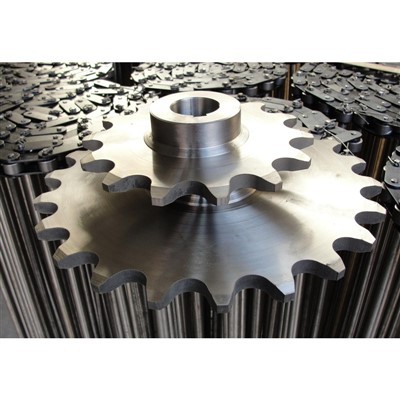
If you’re a miner looking to upgrade your infrastructure, or a business that uses blockchain and wants to make sure the miners supporting your systems have the supplies they need to run smoothly, we’re here to help. We’ve worked with mining operations of all sizes, from small home setups to large global farms, and we customize our products to fit your exact needs. Whether you need high-temp cables for a data center, weather-resistant cables for a remote mining site, or backup power systems to keep your rigs running during outages, we can deliver. We’re not just a chain supplier—we’re a partner who understands how your work ties to the bigger blockchain picture, and we’re here to make sure you never lose a reward due to a preventable infrastructure issue.
Chain Plate Feeder Chain References:
Nakamoto, S. (2008). Bitcoin: A peer-to-peer electronic cash system.
Antonopoulos, A. M. (2014). Mastering Bitcoin: Unlocking Digital Cryptocurrencies. O’Reilly Media.
CoinDesk Research. (2023). The State of Bitcoin Mining.
Cambridge Bitcoin Electricity Consumption Index. (2024). Cambridge Centre for Alternative Finance.
Zhejiang Hangte Chain Transmission Co., Ltd.
We are one of the most experienced chain manufacturers and suppliers in China since 1999. Please rest assured to buy high quality chain made in China here from our factory. If you have any enquiry about cooperation, please feel free to email us.
Address: No. 195 Qinglin East Street, Qingshan Lake Subdistrict, Lin’an District, Hangzhou City, Zhejiang Province
E-mail: hangtechain@gmail.com
WebSite: https://www.chinahtchain.com/
