Hey everyone, if you’ve been browsing bathroom fixtures lately, you’ve probably seen the term “brushed nickel bath mixer” pop up more than a few times. But what exactly is it, and why should you care? As a bath mixer supplier who’s been in this game for over a decade, I get asked this question all the time—so let’s break it down in plain, no-BS terms, no industry jargon that makes your head hurt. Bath Mixer
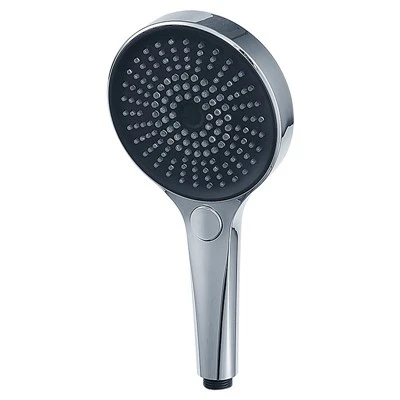
First off, let’s start with the basics: a bath mixer is that thing on your tub (or sometimes a shower-tub combo) that lets you control both water flow and temperature. You turn it left for hot, right for cold, twist it to make more or less water come out—simple, right? Now, the “brushed nickel” part is the finish on that mixer, not the metal itself. Wait, let me clarify that because a lot of people mix that up. The core metal of most bath mixers is usually brass or zinc alloy—they’re durable, easy to work with, and resist corrosion way better than, say, plain steel. The brushed nickel is a coating applied over that core to give it that matte, soft metallic look instead of the shiny chrome you see on a lot of basic fixtures.
How do they do that finish? No, it’s not just a paint job. Brushed nickel is made through a process called electroplating, where a thin layer of nickel is bonded to the mixer’s surface, and then it gets brushed with a special tool to create those fine, linear scratches you see. The scratches catch light differently than polished metal, so you get that warm, understated silver-gray vibe—not too bright, not too dull. That’s why it’s so popular right now; it works with every style, from modern minimalist to cozy farmhouse, unlike chrome which can feel a little sterile if you’re going for a warm aesthetic.
Let me run through the pros first, because that’s what you actually want to know. First, durability. Brushed nickel is way more scratch-resistant than polished nickel or even chrome, from what I’ve seen. Those fine brush marks hide small scratches and fingerprints—big win if you have kids or pets who might lean on the tub or touch the mixer all the time. You don’t have to polish it every other day to keep it looking good, which is a huge plus for people who don’t want high-maintenance bathroom fixtures.
Second, corrosion resistance. Bathrooms are humid, so fixtures have to stand up to steam, soap scum, and water splashes. Brushed nickel holds up way better than, say, cheap bronze finishes that can tarnish or discolor after a year or two. I’ve had customers tell me their brushed nickel mixers look brand new 5 years in, whereas a chrome one in the same bathroom started to get little spots of rust if they skipped wiping it down after showers. That’s not to say it’s indestructible—you still shouldn’t let standing water sit on it, but it’s way more forgiving than other finishes.
Third, style versatility. Like I mentioned earlier, it’s neutral without being boring. If you have white subway tiles, it pops nicely but doesn’t clash. If you have warm wood cabinets, the soft silver of brushed nickel complements that warmth instead of fighting it. We sell a ton of these to customers renovating rental properties too, because they appeal to almost every renter—no one’s going to say “ew” at a brushed nickel mixer, whereas some weird custom finish might turn people off.
Now, the cons to keep it real, no sugarcoating here. Brushed nickel isn’t cheap—usually a little pricier than a basic chrome mixer. But if you think about it, it’s a long-term investment; you don’t have to replace it as often as a cheaper finish that tarnishes or scratches easily. Another thing: it can show smudges a little more than you’d think. Wait, not fingerprints like crazy, but if you have really harsh soap or hard water, those mineral deposits can stick to the brush marks and be harder to wipe off than on smooth surfaces. So if you live in an area with super hard water, you’ll need to wipe it down more regularly to keep it looking crisp.
Let me also talk about the different types of brushed nickel bath mixers we offer, since that’s what I actually deal with every day. You’ve got the standard two-handle mixer—one for hot, one for cold, classic, works with almost any tub. Then there’s the single-handle mixer, which is super easy to use, especially for people who don’t want to fumble with two knobs. We also have those bath shower mixers that connect to a showerhead, perfect if you want to turn your tub into a quick shower spot without a separate shower fixture. Oh, and don’t forget the deck-mounted vs. wall-mounted options. Deck-mounted is when the mixer sits on the edge of your tub, wall-mounted is when it sticks out of the wall above. Both work, it just depends on your bathroom’s layout.
Wait, a common mistake I see customers make is confusing brushed nickel with satin nickel or oil-rubbed bronze. Let’s clear that up right now: satin nickel is almost the same as brushed nickel, sometimes brands use the terms interchangeably, but brushed nickel has those distinct brush marks, while satin is a little more uniform, less obvious scratches. Oil-rubbed bronze is way darker, has that antique, almost brownish undertone, not silver at all. Don’t mix those up when you’re shopping—brushed nickel’s going to be lighter, warmer than chrome, cooler than bronze.
Another thing to consider when picking a brushed nickel bath mixer: certification. I can’t stress this enough. Look for mixers that are WaterSense certified or have a lead-free label, especially if you’re in the US. We make sure all our mixers meet those standards, because nothing’s worse than a fixture that leaches lead into your water. Also, the flow rate—look for something around 2.5 gallons per minute, that’s perfect for a tub, not too slow to fill, not wasting water.
Let me share a quick customer story to make this real. Last month, a couple came to us renovating their master bathroom, they were torn between chrome and brushed nickel. They had warm oak cabinets, a white marble tile backsplash, and thought chrome would clash. We showed them our brushed nickel single-handle bath mixer, and they ended up going with it. A week later, they sent a message saying it looked way better than they expected, that the soft finish tied the whole room together. That’s the kind of feedback I live for, because it’s not just a fixture—it’s a part of making your bathroom feel like yours.
Now, if you’re a business owner looking to stock bath mixers, or a contractor sourcing for a job, we’ve got you covered. We don’t just sell finished products; we work with all types of clients, from small boutique renovators to large property management companies. Our brushed nickel bath mixers are tested for durability, easy to install, and come with a warranty, so you don’t have to worry about returns or unhappy customers.
Wait, let’s address a common question: can you install a brushed nickel bath mixer yourself? If you’re handy with plumbing, yeah, you can. But if you’ve never done plumbing before, it’s probably better to hire a pro. A bad installation can lead to leaks, which are a nightmare—trust me, I’ve seen so many bathrooms ruined by a cheap installer messing up a mixer. If you’re not sure, reach out, we can point you to licensed plumbers in your area who work with our products.
Another point: maintenance. To keep your brushed nickel mixer looking good, all you need is a soft cloth and mild soap, no harsh chemicals like bleach or abrasive cleaners—those can scratch the finish or damage the nickel coating. Wipe it down after each use to get rid of water spots, and once a month, you can use a little vinegar (diluted with water) to get rid of any mineral buildup, then rinse and dry. Super easy, no fancy products needed.
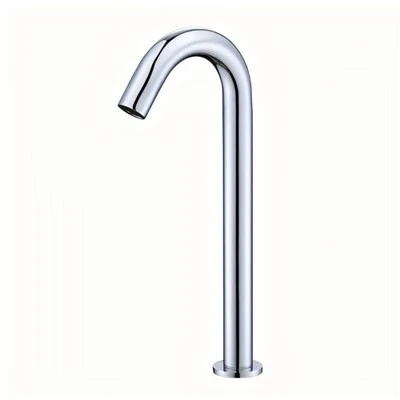
Let me wrap this up. A brushed nickel bath mixer is a versatile, durable bathroom fixture that gives you a warm, understated look that works with almost any style. It’s more forgiving than other finishes, stands up to the humidity of a bathroom, and is a solid long-term investment. Whether you’re renovating your home, stocking inventory for your business, or looking for a reliable fixture for a rental property, it’s a great choice.
Delayed Flush Valve If you’re interested in checking out our range of brushed nickel bath mixers, or want to discuss bulk orders, custom options, or warranty details, feel free to connect with us. We’re here to answer any questions you have, no sales pitch pressure—just straight talk about bath fixtures that work.
References
- National Kitchen & Bath Association. (2023). Bath Fixture Finishes Guide. Retrieved from industry publications on bath fixture durability and finish specifications
- International Code Council. (2022). Plumbing Fixture Safety Standards for Residential and Commercial Bathrooms
- Modern Bathroom Trends Report. (2024). Brushed Nickel as a Leading Finish for Residential Bath Renovations
Fujian Feiyasi Kitchen Technology Co., Ltd.
Fujian Feiyasi Kitchen Technology Co., Ltd. is one of the most experienced bath mixer manufacturers and suppliers in China, featured by quality products and low price. Please rest assured to wholesale CE approved bath mixer in stock here and get quotation from our factory. Customized orders are welcome.
Address: 252 Maoji Middle Road, Shengxin Town, Nan’an City, Fujian Province
E-mail: sales@fyassi.com
WebSite: https://www.fyassibath.com/
