Hey there, folks! I’m a supplier of vertical surface grinders, and today I’m gonna share with you how to measure the flatness of the ground surface using our amazing machines. Vertical Surface Grinder
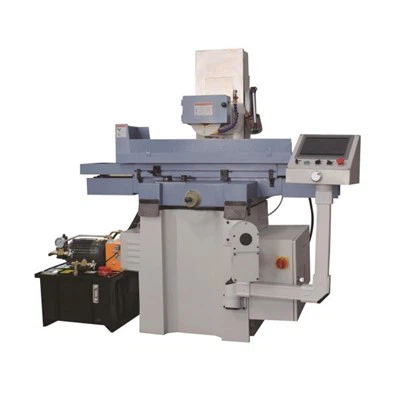
First off, let’s talk about why flatness measurement is so important. When you’re working on a project, whether it’s in the automotive industry, aerospace, or just a small DIY job, the flatness of the ground surface can make or break the whole thing. A surface that’s not flat can lead to all sorts of problems, like uneven wear, poor fitment, and even reduced performance. So getting an accurate measurement is crucial.
Understanding the Basics of Flatness
Before we dive into the actual measurement process, it’s important to understand what flatness really means. Flatness refers to the deviation of a surface from a perfect plane. In other words, how much the surface varies from being absolutely flat. We usually measure this deviation in micrometers or thousandths of an inch. For most industrial applications, we want this deviation to be as small as possible.
Tools You’ll Need
To measure the flatness of the ground surface with a vertical surface grinder, you’re gonna need a few tools.
- Dial Indicator: This is a key tool. It’s a precision instrument that can measure small linear distances. You’ll use it to detect any variations in the surface height.
- Surface Plate: A high – quality surface plate serves as a reference plane. It should be extremely flat, and you’ll place your workpiece on it during the measurement process.
- Magnetic Base: The magnetic base is used to hold the dial indicator in place. It allows you to position the indicator accurately over the surface you want to measure.
Step – by – Step Measurement Process
Step 1: Prepare Your Workspace
First things first, clean your vertical surface grinder and the workpiece thoroughly. Any dirt, debris, or coolant on the surface can affect the measurement accuracy. Also, make sure your surface plate is clean and free of any scratches or dents. Place it on a stable surface where it won’t be disturbed during the measurement.
Step 2: Set Up the Dial Indicator
Attach the dial indicator to the magnetic base. Then, position the base on the surface plate near the workpiece. Adjust the height of the dial indicator so that the measuring tip just touches the surface of the workpiece. Zero the dial indicator at this point. You can do this by turning the dial housing until the needle aligns with the zero mark.
Step 3: Take Multiple Measurements
Now, it’s time to start taking measurements. Move the dial indicator lightly across the surface of the workpiece in a grid pattern. It’s a good idea to divide the surface into equal sections and take measurements at each grid point. As you move the indicator, watch the needle on the dial. The variation in the needle reading indicates the deviation of the surface from the reference plane.
For example, if you’re measuring a rectangular workpiece, you might start at one corner and move across in a straight line, taking measurements every few inches. Then, move down to the next row and repeat the process until you’ve covered the entire surface.
Step 4: Record and Analyze the Data
As you take each measurement, write down the reading on a piece of paper. Once you’ve completed all the measurements, you can start analyzing the data. Look for the maximum and minimum readings. The difference between these two values gives you the total flatness deviation of the surface.
If the deviation is within the acceptable range for your application, then you’re good to go. But if it’s outside the tolerance, you may need to make some adjustments to your vertical surface grinder. Maybe you need to sharpen the grinding wheel, adjust the feed rate, or change the cutting parameters.
Using Our Vertical Surface Grinders for Optimal Flatness
One of the many advantages of our vertical surface grinders is that they’re designed to offer high – precision grinding, which helps in achieving better flatness. Our grinders come with advanced features like adjustable spindle speed, variable feed rate, and precise wheel dressing systems.
The adjustable spindle speed allows you to control the cutting speed based on the material of the workpiece. Different materials require different cutting speeds to achieve the best results. For example, softer materials like aluminum can be ground at a higher speed, while harder materials like stainless steel may need a slower speed.
The variable feed rate gives you the flexibility to adjust how fast the workpiece moves under the grinding wheel. A slower feed rate usually results in a finer finish and better flatness, but it also takes more time. You can experiment with different feed rates to find the optimal one for your project.
Our wheel dressing system is another key feature. It ensures that the grinding wheel remains sharp and in good condition throughout the grinding process. A dull or worn – out wheel can cause uneven grinding and poor flatness. With our automatic wheel dressing system, you don’t have to worry about manually dressing the wheel as often, which saves you time and effort.
Troubleshooting Common Flatness Issues
Even with the best vertical surface grinder, you may still encounter some flatness issues. Here are some common problems and how to fix them.
Problem 1: Uneven Flatness Across the Surface
If you notice that the flatness is better in some areas than in others, it could be due to a worn – out grinding wheel. Check the wheel for any signs of uneven wear. If necessary, dress the wheel or replace it with a new one. Another possible cause is an improper feed rate. Make sure the feed rate is consistent across the entire surface.
Problem 2: Excessive Flatness Deviation
If the overall flatness deviation is too large, it might be because the grinding parameters are not set correctly. Try adjusting the spindle speed, feed rate, or depth of cut. Also, check the stability of the workpiece during grinding. If it’s not properly clamped, it can move around and cause uneven grinding.
Why Choose Our Vertical Surface Grinders
As a supplier of vertical surface grinders, we know how important it is to have a reliable and high – quality machine. Our grinders are made from the best materials, and they’re built to last. We offer a wide range of models to suit different applications and budgets.
Whether you’re a small workshop owner or a large industrial manufacturer, we’ve got the right vertical surface grinder for you. Our customer service team is always ready to help you with any questions or concerns you may have. We can provide you with technical support, training, and even after – sales service.
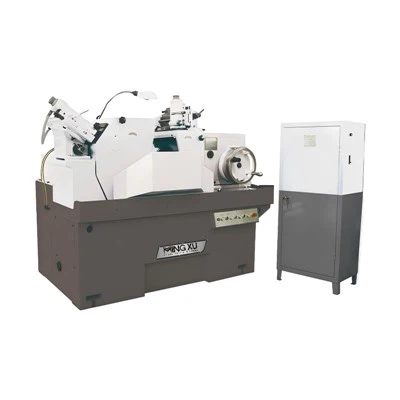
If you’re in the market for a vertical surface grinder and are interested in accurate flatness measurement, don’t hesitate to get in touch. We’d love to discuss your specific requirements and help you find the perfect machine for your needs. You can reach out to us for a quote and start a conversation about how our grinders can improve your production process.
References
- "Precision Grinding Handbook", John Wiley & Sons
- "Surface Metrology: Principles and Applications" by B. Bhushan
Precision Surface Grinder So there you have it, folks! Now you know how to measure the flatness of the ground surface with a vertical surface grinder. If you have any questions or want to learn more about our products, feel free to drop us a line. We’re looking forward to hearing from you!
Wuxi Mingxu Machinery Equipment Co., Ltd.
As one of the most professional vertical surface grinder manufacturers and suppliers in China, we’re featured by quality products and good price. Please rest assured to buy the best vertical surface grinder for sale here from our factory. Also, custom service is available.
Address: No. 5-5 Jinke Wealth Plaza, Changjiang North Road, Xinwu District, Wuxi City, Jiangsu Province
E-mail: yingyingmxjd@163.com
WebSite: https://www.mingxu-china.com/
