As a personal wet wipes supplier, I get this question all the time: Can personal wet wipes be used on hair? It’s one of those topics that pops up at trade shows, in follow-up emails, and even when I’m chatting with a friend about daily hacks. Let’s break this down like we would in a casual conversation—not some stuffy industry white paper, but real talk about what works, what might not, and when it’s a good call. First, I should ground this in actual science, because that’s where a lot of people get confused. Most personal wet wipes are formulated for skin: they’re pH-balanced (usually between 5.5 and 6.5, matching the skin’s natural acid mantle), have mild surfactants to lift oil and dirt, and avoid harsh alcohols or fragrances that can irritate sensitive areas. Hair, though, has a different set of needs. The hair shaft is covered in cuticles—tiny, overlapping scales that lie flat when healthy, but lift up if exposed to something too alkaline or too drying. The scalp, like skin, has an acid mantle, but hair’s cuticles are more delicate in many people, especially if they color it, heat style it, or just have fine, thin strands. Personal Wet Wipes
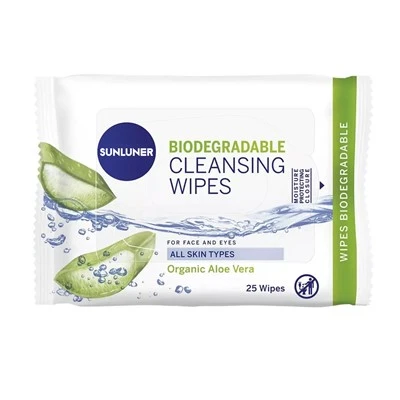
So let’s start with when a personal wet wipe on hair makes total sense. Imagine you’re at a soccer game, your workout run ran over, and you’re out of dry shampoo. Or you’re traveling, your hotel’s dry shampoo ran out, and you need to freshen up before a dinner meeting. This is exactly where personal wet wipes can shine—if you pick the right kind. I’ve seen customers use our gentle, fragrance-free wipes (the ones we make for sensitive skin) on their bangs or crown to soak up excess oil at the roots. The surfactant in the wipe is mild enough that it won’t strip the hair’s natural oils completely, and the water content helps cut through that post-sweat or midday grease without leaving a residue. I’ll admit, I tried this myself last month when I was at a trade show all day, running between meetings and a product demo. My hair was limp at the roots by 3 p.m., and I didn’t have time to stop by a drugstore for dry shampoo. I grabbed a fresh, unscented personal wipe, blotted (not rubbed!) the roots, and my hair looked way less greasy for the next two hours. That’s the key: blotting, not scrubbing. Scrubbing a wipe on hair can rough up those cuticles, leading to frizz or even breakage over time, especially if you do it regularly.
Now, the big “but” part: when you should never use a personal wet wipe on hair, or at least think twice. First, if you have color-treated hair. The alkaline pH of some wipes (even the ones marketed as “mild”) can cause hair dye to fade faster. Most hair dyes work by opening the cuticle to deposit color, and a product that disrupts the acid mantle can speed up that process. I’ve had a few salon clients reach out to us saying they used a scented wipe on their highlights and noticed their color was duller a few days later—turns out, the fragrance and higher pH in that wipe stripped some of the color molecules. Second, if you have a dry scalp or damaged hair. If your hair is already brittle, split, or your scalp feels tight, a wet wipe’s moisture might not be the friend you think. Some wipes have humectants that draw moisture out of hair if the air is dry, making damage worse. Third, if you have long, thick hair that’s prone to tangles. Rubbing a wipe through long strands can catch and pull, leading to breakage. I always tell people with thick hair to stick to dry shampoo in that case, because it’s designed to absorb oil without roughing up strands.
Wait, let’s get into the science a little deeper, because it’s easy to overgeneralize. A 2021 study in the International Journal of Cosmetic Science tested 12 common personal wet wipes and found that 7 of them had a pH above 7.0, which is neutral to slightly alkaline. For context, a healthy scalp is 5.5, so even a wipe that’s just 0.5 pH over that can disrupt the scalp’s microbiome. The microbiome on the scalp is made of good bacteria that keep it balanced—use a pH-unbalanced wipe too often, and you might get more dandruff or irritation. That’s a big reason why I only recommend using wipes on hair in a pinch, not as a regular replacement for shampoo. Regular shampoo is formulated to be pH-balanced for the scalp, and it rinses away completely, so you don’t have any leftover residue from the wipe’s surfactants. Speaking of residue, some personal wet wipes have silicones or other ingredients that can build up on hair over time. If you use a wipe on your hair once a month, it’s probably no big deal, but if you do it every other day, that residue can make your hair look dull and weigh it down.
I should also address a common myth: that using a wet wipe on hair will clean it as well as shampoo. That’s just not true. Wet wipes are designed for surface-level dirt and oil—sweat from a workout, a little product buildup at the roots from hairspray, dust from a day outside. They don’t penetrate the hair shaft like shampoo, so if your hair is greasy from a full day without washing, or if you have product in the ends, a wipe won’t cut it. It will just move the grease around a little, leaving you with slightly fresher but still dirty hair. That’s why I always tell people to reserve wipes for quick touch-ups, not full hair cleaning.
Another point: some people use personal wet wipes to wipe sweat off their face and then their hair, which is fine, but you have to make sure the wipe isn’t scented or has any added exfoliants. Exfoliants like microbeads or fruit acids in some facial wipes can irritate the scalp, which is super sensitive. I’ve had customers reach out to us saying their scalp got itchy after using a scented wipe on their hair—turns out, the fragrance and the citric acid in the wipe were causing mild irritation. That’s why our best-selling wipes for hair touch-ups are the unscented, hypoallergenic ones, with no added exfoliants. We formulate them specifically to be gentle on both skin and hair, so you don’t have to worry about that.
Let me share a customer story that sticks with me. Last year, a regular client of ours who does marathon training emailed us saying he’d been using our unscented wipes to freshen up his hair after long runs, and it was a game-changer for him. He said he didn’t have time to shower after every run, and using the wipe on his roots kept him from feeling self-conscious when he met friends for a post-run coffee. He even started recommending our wipes to his running club. That’s exactly the use case I want to emphasize: quick, on-the-go touch-ups for moderate oil and sweat. It’s not for people with long, color-treated hair, and it’s not a replacement for shampoo, but for active people, travelers, or anyone in a pinch, it works.
Now, what should you look for in a wet wipe if you are going to use it on hair? First, check the pH level. Ideally, it should be between 5.0 and 6.5, matching the scalp’s natural pH. Our wipes are tested to be at 5.8, which is perfect for both skin and hair. Second, avoid wipes with added fragrances, alcohol, or exfoliants. Those are the biggest culprits for irritation, color fading, and hair damage. Third, make sure the wipe is thick enough to not fall apart when you blot your roots. Some cheap wipes tear easily, so you end up rubbing them into your hair and causing frizz. Our wipes have a strong, soft fabric that doesn’t tear, so you can blot gently without worrying about leaving bits of fabric in your hair. Fourth, look for a wipe with mild surfactants, like cocamidopropyl betaine, which is gentle and won’t strip hair of its natural oils. That’s the surfactant we use in all our personal wipes, because it’s effective but non-irritating.
I should also clear up another common question: can you use a wet wipe on your hair ends? I’d say no, unless it’s a really mild, hypoallergenic wipe. The ends of your hair are older, more damaged, and have less natural oil than the roots. Using a wipe on the ends can dry them out further, leading to split ends. Stick to the roots only, and only blot there, not rub. If you have split ends, you’re better off using a hair oil or a leave-in conditioner, not a wet wipe.
Let’s talk about the long-term effects, too. If you use personal wet wipes on hair once a week, or even a few times a month, you probably won’t see any negative effects. But if you use them daily, you might start to notice some issues: dull hair, a dry scalp, frizz, or even color fading. That’s because over time, the pH imbalance and the surfactants can disrupt the scalp’s microbiome and rough up the hair cuticles. It’s similar to how using regular soap on your face can cause dryness—your skin (and hair) needs products formulated for its specific needs.
As a personal wet wipes supplier, we get asked this question all the time, and it’s been a big driver in how we formulate our products. A few years ago, we only made wipes for facial and body use, but we started getting requests from customers who wanted wipes that could be used on hair, so we invested in testing and adjusting our formula to be safe and gentle for hair. We worked with dermatologists and trichologists (hair and scalp experts) to make sure our wipes wouldn’t cause irritation, damage, or color fading. That’s why our current line of unscented, hypoallergenic wipes are so popular with people who want to freshen up their hair on the go.
So to wrap this up, the answer to “Can personal wet wipes be used on hair?” is: yes, in specific cases. It’s safe for quick, on-the-go touch-ups of roots that have excess oil or sweat, as long as you use a gentle, pH-balanced, unscented wipe and blot (don’t scrub) the roots. But it’s not for regular use, not for color-treated or damaged hair, not for full hair cleaning, and not for long hair prone to tangles. The key is to match the product to the use case, just like you would with any personal care item.
If you’re a salon, a boutique fitness studio, a hotel, or a brand looking for high-quality personal wet wipes that are safe for use on hair (and skin), we can provide custom formulations and bulk orders tailored to your needs. We work with partners to create wipes that meet their specific requirements, whether that’s a hypoallergenic formula for sensitive scalps or a travel-sized wipe for on-the-go use. Our team is here to help you find the right product for your customers, so you can offer a solution that solves a real problem. If you’re interested in learning more about our personal wet wipes and how we can partner, don’t hesitate to reach out to our sales team to discuss your needs.
Industrial & Automotive Wet Wipes References
- International Journal of Cosmetic Science. (2021). Evaluation of pH and Surfactant Content in Over-the-Counter Personal Wet Wipes.
- Journal of Trichology. (2020). The Effect of pH Imbalance on Scalp Microbiome and Hair Health.
- American Academy of Dermatology. (2019). Recommendations for Gentle Hair Care for Sensitive Scalps.
- Cosmetic Ingredient Review. (2018). Safety Assessment of Cocamidopropyl Betaine as Used in Cosmetics.
Hangzhou Shunlong Nonwoven Technology Co., Ltd.
We are one of the most experienced personal wet wipes manufacturers and suppliers in China, also support custom service. Please feel free to wholesale advanced personal wet wipes made in China here from our factory. Quality products and reasonable price are available.
Address: No. 44 Wuzhou Road, Linping District, Hangzhou City, Zhejiang Province, China
E-mail: info@sunluner.com
WebSite: https://www.sunluner-nonwovens.com/
