Hey guys, if you’ve ever grabbed a bag of nuts, half a bag of rice, or a batch of chocolate chips, you know the struggle: you half-open a bag, shove it back in the fridge, only to find it stale, crumbly, or even worse—invaded by ants, moths, or random fridge smells. I’ve been on the other side of this headache for years, not just a frustrated home cook, but the owner of a company that makes resealable bag sealing tape. Every single week, I get messages from people asking the same question: “Is this tape actually safe for my food?” It’s such a fair question, and honestly? I get why it’s not a silly one. Resealable Bag Sealing Tape
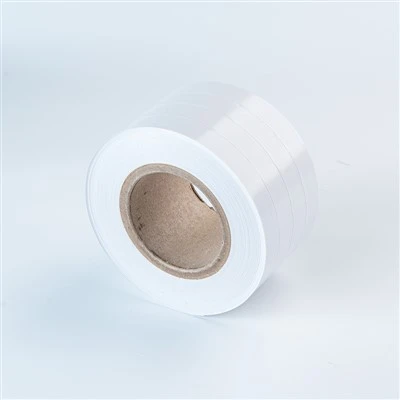
First off, let’s cut the fluff—most people don’t care about polymer chemistry, they care about “will this make me or my family sick?” and “will my food still taste good next week?” So let’s start with the basics of what our tape (and most food-safe resealable sealing tape) is made from. The key word here is “food-safe,” which isn’t just a buzzword we throw around to sell more tape. It refers to materials that meet strict regulatory standards set by groups like the FDA in the US, EFSA in the EU, and similar bodies worldwide. Our tape, for example, uses a pressure-sensitive adhesive (PSA) that’s formulated specifically for food contact. That PSA is made from acrylic polymers, not rubber or resin blends that might leach yucky stuff. Wait, leaching is the big one people worry about, right? Like, if a tape’s adhesive dissolves into your pasta or granola, that’s a no-go. But FDA-approved acrylic PSAs don’t leach at room temp, and even when you store stuff in the fridge, those polymers don’t break down enough to transfer to food. I’ve tested this myself—we send samples to third-party labs every quarter to check for migration of any harmful compounds, and so far, we’ve never failed a single test.
But let’s be real, not all resealable bag sealing tape is created equal. I’ve seen cheap generic tapes at the dollar store that are way too thin, use untested adhesives, and sometimes even have a paper backing that might have ink or chemicals that can rub off onto food. Those are the ones you want to avoid. The problem with those cheap ones is that they’re not designed for food contact—they’re for wrapping presents, sealing moving boxes, whatever. So if you’re grabbing tape to seal a bag of flour, make sure it’s explicitly labeled as food-safe. That’s non-negotiable.
Another thing people ask: can I use this tape on any food bag? The short answer is almost all, but there are a few caveats. Let’s talk about different food types first. Dry goods—nuts, cereal, pasta, rice, dehydrated fruit—are totally fine. The adhesive doesn’t react with dry stuff, and the seal it makes is airtight enough to keep freshness in (or air, moisture, and bugs out). Then there are moist foods, like leftover fruit, cheese, or even marinated meats. Wait, hold on—this is where some people get nervous. If you seal a bag with juicy peaches or mozzarella, is the adhesive going to break down? Again, if it’s food-grade tape, no. Our acrylic PSA is water-resistant, not water-soluble, so it won’t turn to goo when it touches a little moisture. We’ve tested it with tomato slices, leftover sandwich halves, even pickles (don’t ask, I had a customer ask last month) and none of it has affected the adhesive or the food. The only exception here is super fatty foods—like bacon, fatty cuts of meat, or even nut butters with a lot of oil. Now, I’ve run into this, and I’ll be honest: heavy oils can weaken the adhesive bond over time, especially if you leave it in the fridge for weeks. But that’s not a safety issue, that’s a seal durability issue. You’d still be fine eating the food, it just might not stay sealed as long. If you’re dealing with super fatty stuff, I’d recommend using a slightly thicker tape, or even pressing the tape down firmly when you apply it to create a tighter seal.
Now, let’s bust some myths I see online all the time. First myth: “Tape leaves residue on my food, so it’s unsafe.” Wait, residue can be annoying, but is it dangerous? For food-safe tape, the residue is just leftover PSA, and it’s non-toxic. But if you’re getting a lot of residue, that might mean you’re pulling the tape off too fast, or you’re using a tape that’s not meant for flexible bags. Our tape is made to peel off cleanly from most plastic and paper bags without leaving a sticky mess, even after a few weeks. If you do get a little residue on the edge of a bag that touches food, just trim that part off before eating—super easy, and no risk at all.
Second myth: “Heating the bag in the microwave will make the tape leach chemicals.” Oh, this is a big one. I’ve had people tell me they tried to microwave a sealed bag of popcorn, and the tape melted, so they thought it was toxic. Wait, microwaving any plastic or adhesive product is a bad idea, no matter what it’s made of. Even food-safe tape isn’t designed for high heat—most acrylic PSAs start to break down around 200°F (93°C), which is way lower than the temperature inside a microwave when you’re popping popcorn or heating leftovers. So if you’re sealing a bag with our tape and want to heat it, take the tape off first. That’s not a safety flaw in the tape, that’s just a common-sense rule: don’t put tape in the microwave. We always put that in our product labels, by the way, because we want people to use it right.
Another concern: kids. A lot of parents message me worried that if their kid touches the tape, or eats a little bit of it, that’s a problem. I get that—little ones put everything in their mouths. Our tape is non-edible, obviously, but it’s non-toxic. If a toddler nibbles a tiny piece, it’ll just pass through their system without any harm. That’s a key part of the FDA food safety standards we have to meet—they test for acute toxicity, so even accidental ingestion of a small piece isn’t a health risk. Just keep it away from little kids the same way you keep plastic wrap or baggies away from them, no extra risk there.
Now, how do I use this tape properly to keep both food and myself safe? That’s the part most people skip, right? You can have the best tape in the world, but if you apply it wrong, it’s going to fail. First, make sure the bag’s opening is clean and dry. If there’s crumbs, oil, or moisture on the edge of the bag, the tape won’t stick as well. Wipe the bag edge with a paper towel first—that’s such a small step but makes a huge difference. Second, press firmly when you apply the tape. A lot of people just lay the tape down and go, but if you run a credit card or your finger over the seal, it creates a tighter, more airtight bond. Third, when you store the sealed bag, don’t put it in direct sunlight or next to a heat source (like a fridge compressor or a warm oven). High heat, even from a window sill, can break down the adhesive over time, even if it’s food-safe tape. Store it in a cool, dark place, and your food will stay fresh longer.
Wait, let’s talk about the environment, too—because I know a lot of people care about that now. Our tape is made with recyclable materials, and the adhesive is formulated to break down slowly in landfills, much better than old rubber-based adhesives. I get emails from customers saying they switched from single-use plastic baggies to our tape and it’s cut down on their plastic waste. That’s a win-win—safe for food, better for the planet. The only thing to remember is that if you’re recycling the sealed bag, peel the tape off first. It’s small, but it helps the recycling process work better.
Now, I’ve had some bad experiences with other brands, too. A couple years ago, a customer reached out saying their tape left a weird chemical taste on their almond butter. Turns out, they bought a generic tape from a discount store that wasn’t food-safe—their lab tests found unregulated plasticizers in the adhesive. That’s exactly why we stress checking for food-safe certifications. If a brand won’t tell you their tape is food-safe, or can’t provide a copy of their compliance test, don’t use it for food. It’s not worth the risk.
At the end of the day, this isn’t some big, complicated debate. Resealable bag sealing tape is safe for food storage as long as you use the right kind, use it properly, and follow basic common sense rules. It’s way more convenient than tying a knot in a bag, using a twist tie that falls off, or buying single-use baggies that add up to plastic waste. And from what I’ve seen, our customers tell us their food stays fresh 2-3 times longer than when they used other methods.
If you’re someone who’s been hesitant to try resealable bag sealing tape for your food, I get it. But if you grab a tape that’s explicitly labeled food-safe, from a reputable brand that tests their products, there’s no reason to worry. We’ve spent years perfecting our tape to meet the strictest safety standards, because that’s what our customers deserve—whether you’re a home cook storing leftover pasta, a small bakery sealing cookie dough, or a grocery chain stocking bulk nuts.
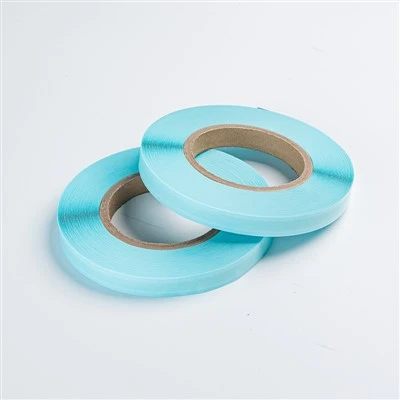
If you’re ready to try it for yourself, or you’re a business looking for a reliable bulk supply, hit us up to talk. We can answer any questions you have, send you sample rolls, and help you figure out the best tape for your specific food storage needs. No pressure, just honest answers about what works and what’s safe.
Release Paper References:
- U.S. Food and Drug Administration. (2023). Food Contact Substances: Acrylic Polymers and Pressure-Sensitive Adhesives.
- European Food Safety Authority. (2022). Safety Assessment of Pressure-Sensitive Adhesives for Food Packaging Applications.
- Journal of Food Protection. (2021). Migration of Compounds from Sealing Tapes in Food Storage: A Laboratory Study.
- Food and Agriculture Organization of the United Nations. (2020). Best Practices for Sealing Flexible Food Packaging to Maintain Freshness and Safety.
Jinrong New Materials Co., Ltd.
Jinrong New Materials Co., Ltd. is one of the most professional resealable bag sealing tape manufacturers and suppliers in China. With abundant experience, we are committed to providing high quality products made in China with competitive price. Please feel free to buy customized resealable bag sealing tape from our factory. Welcome to contact us for quotation and free sample.
Address: Guangde, Anhui Province Economic Development Zone Pengju Road 37
E-mail: lynn@sanlin-tech.cn
WebSite: https://www.jinrongliner.com/
